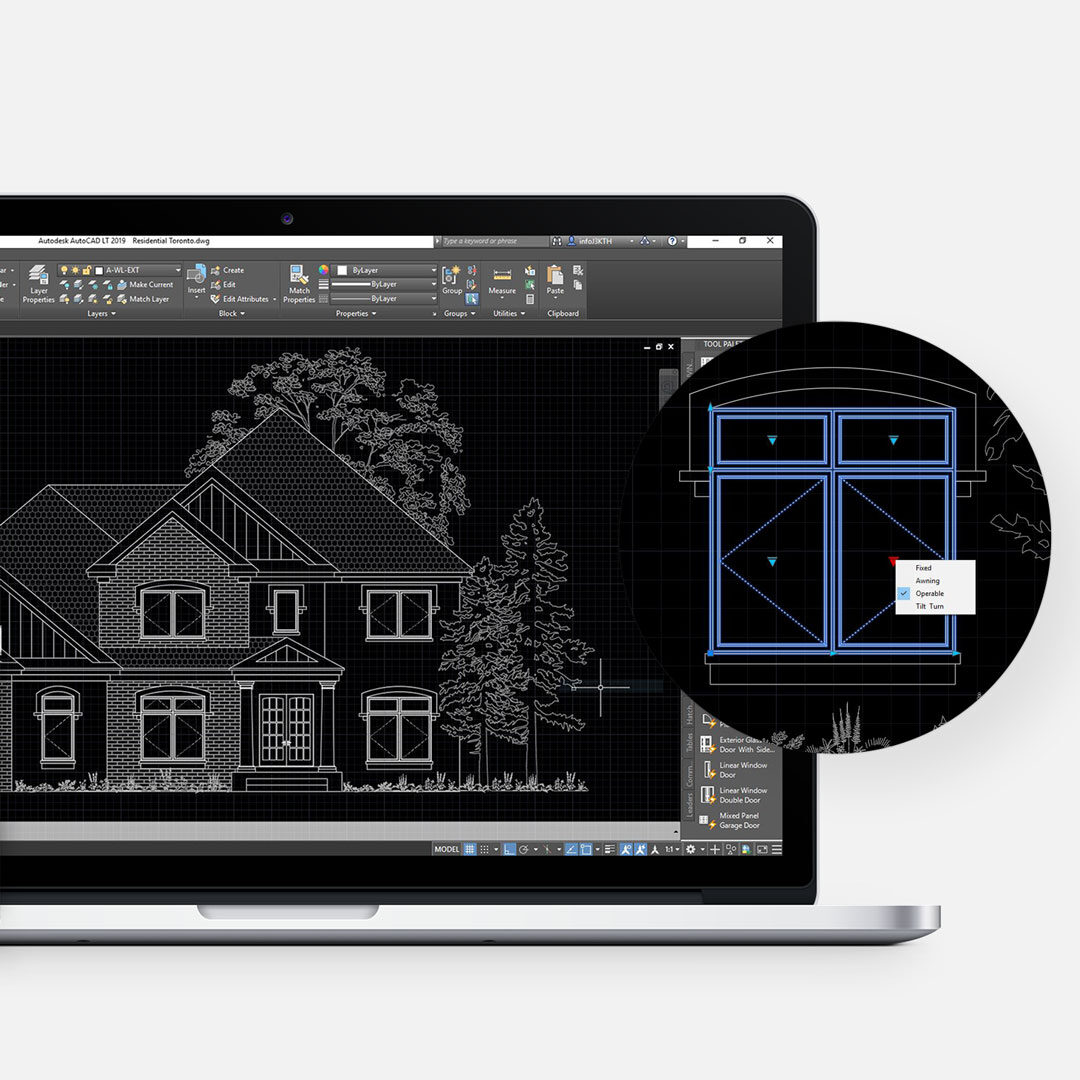
A design concept is only as good as the contractor who brings it to life. As designers, we often incorporate custom details and complex elements into a space. For those ideas to be executed properly, the contractor needs to understand not just the plans, but the intent behind them. That’s why choosing the right contractor is one of the most important decisions in any renovation. If you’re currently searching, knowing these contractor red flags can help you avoid costly mistakes before they happen.

When the Price Feels Too Good
It’s always tempting to go with the lowest quote. However, when we price out a project, we typically bring in at least three contractors. This gives us a clearer picture of what’s realistic and helps identify anything that seems unusually high or suspiciously low. When a quote comes in significantly lower, there’s usually a reason.
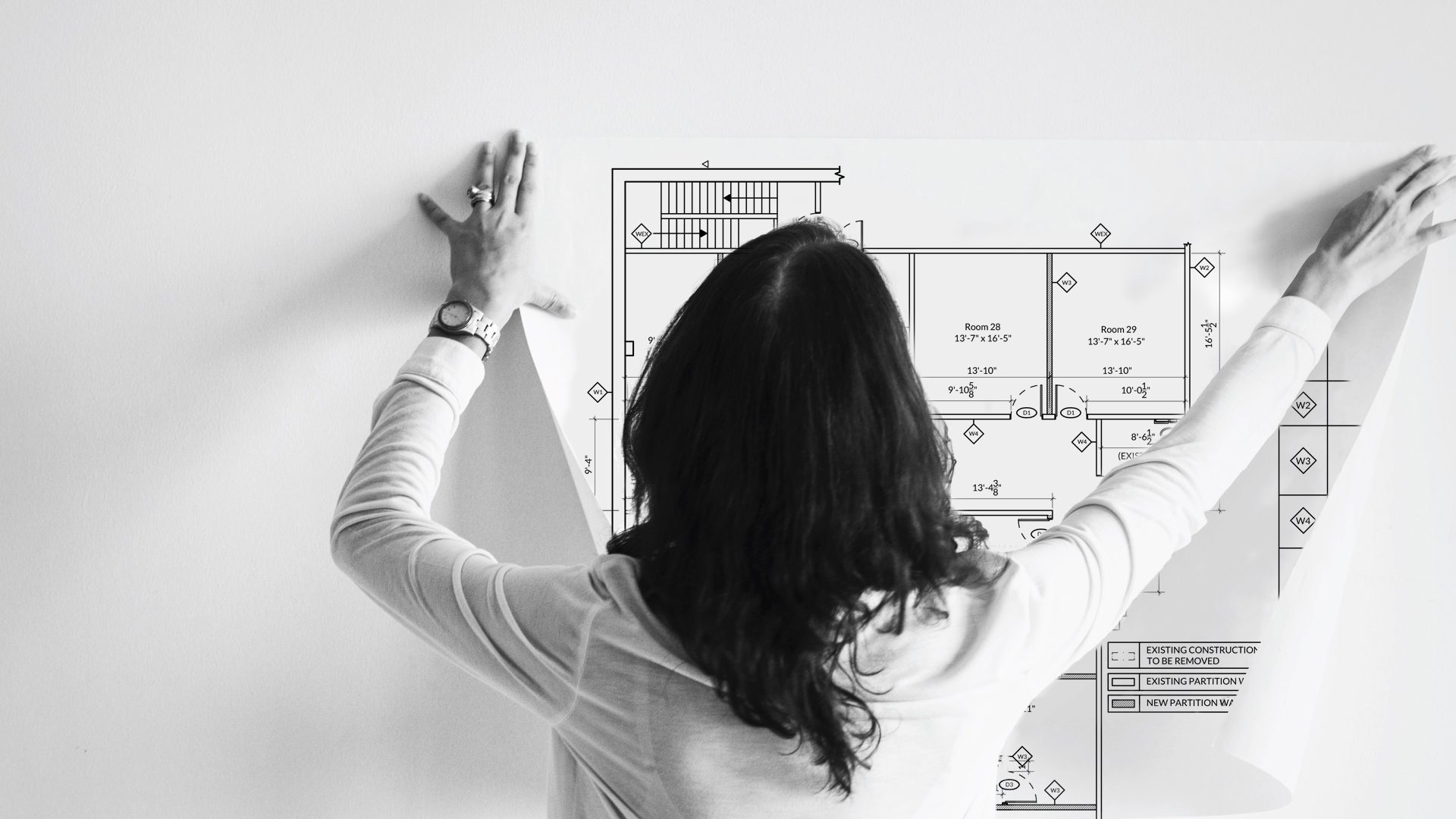
Sometimes the contractor hasn’t fully reviewed the drawings. Other times, they may not be properly qualified. In some cases, the price is intentionally low just to secure the job, with the intention of adding costs later. If a contractor struggles to understand the drawings or can’t clearly explain them, that’s a major concern. What initially looks like a great deal can quickly turn into additional costs once the project begins.
The Risk of Vague Contracts
The contract is one of the most important parts of the entire process. Yet, it’s often overlooked. A vague or incomplete contract leaves too much room for interpretation. If something isn’t clearly outlined, it usually means it’s not included, and that can lead to unexpected costs later on. We’ve seen situations where contractors claimed certain details weren’t part of the drawings, even when they were clearly indicated. This is why reviewing the contract carefully is essential. Everything should be in writing. Verbal confirmations like ‘don’t worry, it’s included’ won’t protect you once the contract is signed.
The ‘Yes to Everything’ Contractor
There’s a certain type of contractor who agrees to everything. At first, it sounds reassuring. In reality, it can be a warning sign. If someone says yes to every request but can’t clearly explain how they’ll execute it, there’s a good chance they don’t fully understand the scope.
When discussing specific design elements, ask detailed questions. For example, if your project includes something like a seamless shower, have them walk you through the process. If they can explain it confidently, they likely know how to build it. If not, it could lead to costly mistakes later on.

Insurance and Licensing Matter
This is one of the first things you should confirm. Not just for the contractor, but for every subcontractor involved. If proper insurance and licensing aren’t in place, you could be exposed to serious risks. In the event of an accident, liability may fall on the homeowner. Working with insured professionals protects both your project and your peace of mind.
Understanding Payment Structures
It’s normal for contractors to request a deposit before starting. However, the amount and structure should make sense. Typically, a deposit should not exceed around 10% of the project cost. From there, payments should be tied to progress as the work is completed. If a contractor asks for a large upfront payment, or insists on cash-only transactions, it’s worth taking a step back. These situations can increase the risk of delays, misuse of funds, or unfinished work.
The Importance of a Timeline
A clear construction timeline is another key indicator of professionalism. While timelines may shift once work begins, having an initial schedule shows that the contractor is organized and understands the scope of the project. Without a timeline, projects can easily extend far beyond what was expected. A renovation that should take three months can quickly turn into six if there’s no clear plan in place.
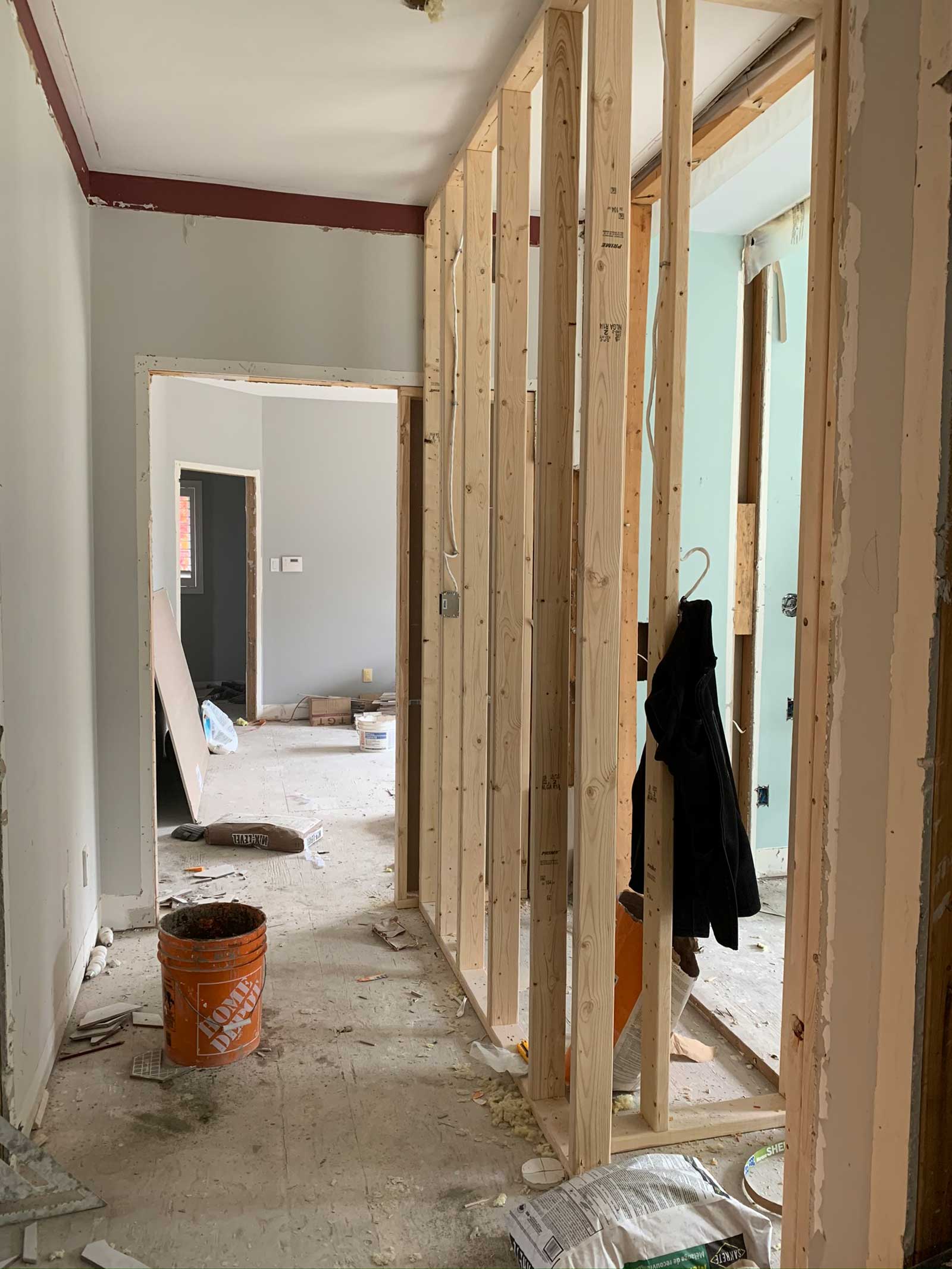
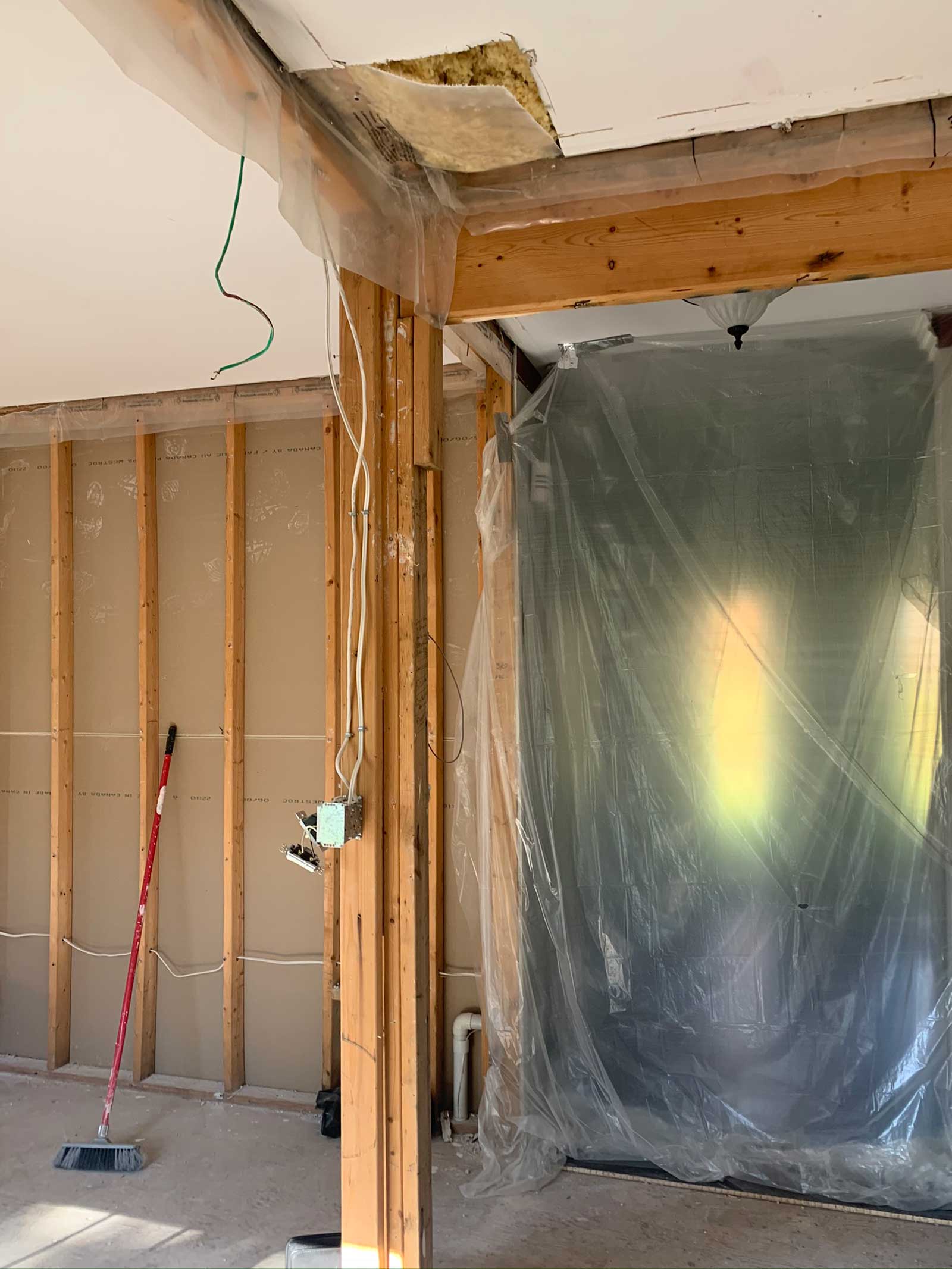
One of our favourite examples of a successful renovation is the Unionville Residence Renovation, later featured in Our Homes Magazine. The project came together because everyone shared the same vision from the beginning. Good communication between homeowners, designers, and the contractor made every decision smoother and ultimately led to a much better result.
Final Thoughts
Finding the right contractor isn’t just about price or availability. It’s about trust, communication, and attention to detail. A good contractor will take the time to understand your project, review the drawings carefully, and provide clear answers from the beginning. That level of clarity is often what separates a smooth renovation from a stressful one. If you’re evaluating different options, paying attention to these contractor red flags can help you make a more informed decision. In the end, the right team doesn’t just build your project, they shape the entire experience.
If you’d like to see how strong collaborations come together in real projects, you can follow along on Instagram.




Leave a Reply
You must be logged in to post a comment.