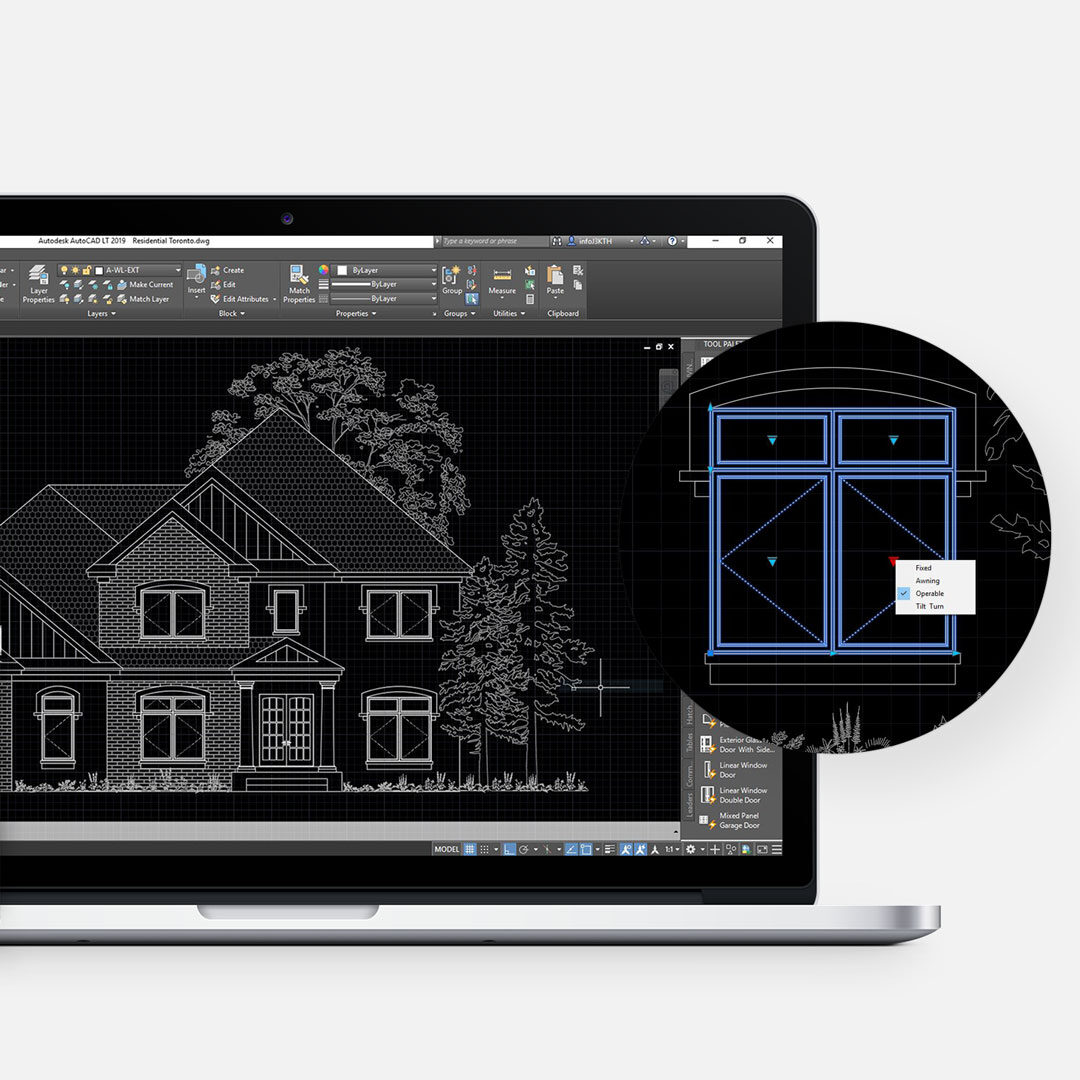
Whenever we prepare a quote for a project, whether residential or commercial, we always provide a detailed cost breakdown based on the scope of work. For most major renovations, this typically includes both a set of permit drawings and a set of construction drawings. And almost every time, once clients review that breakdown, the same question comes up.
Can we just use the permit drawings? The short answer is NO. If you’re trying to understand the difference between these two, this guide to construction drawings vs permit drawings will help clarify why both are necessary and how they impact your project.
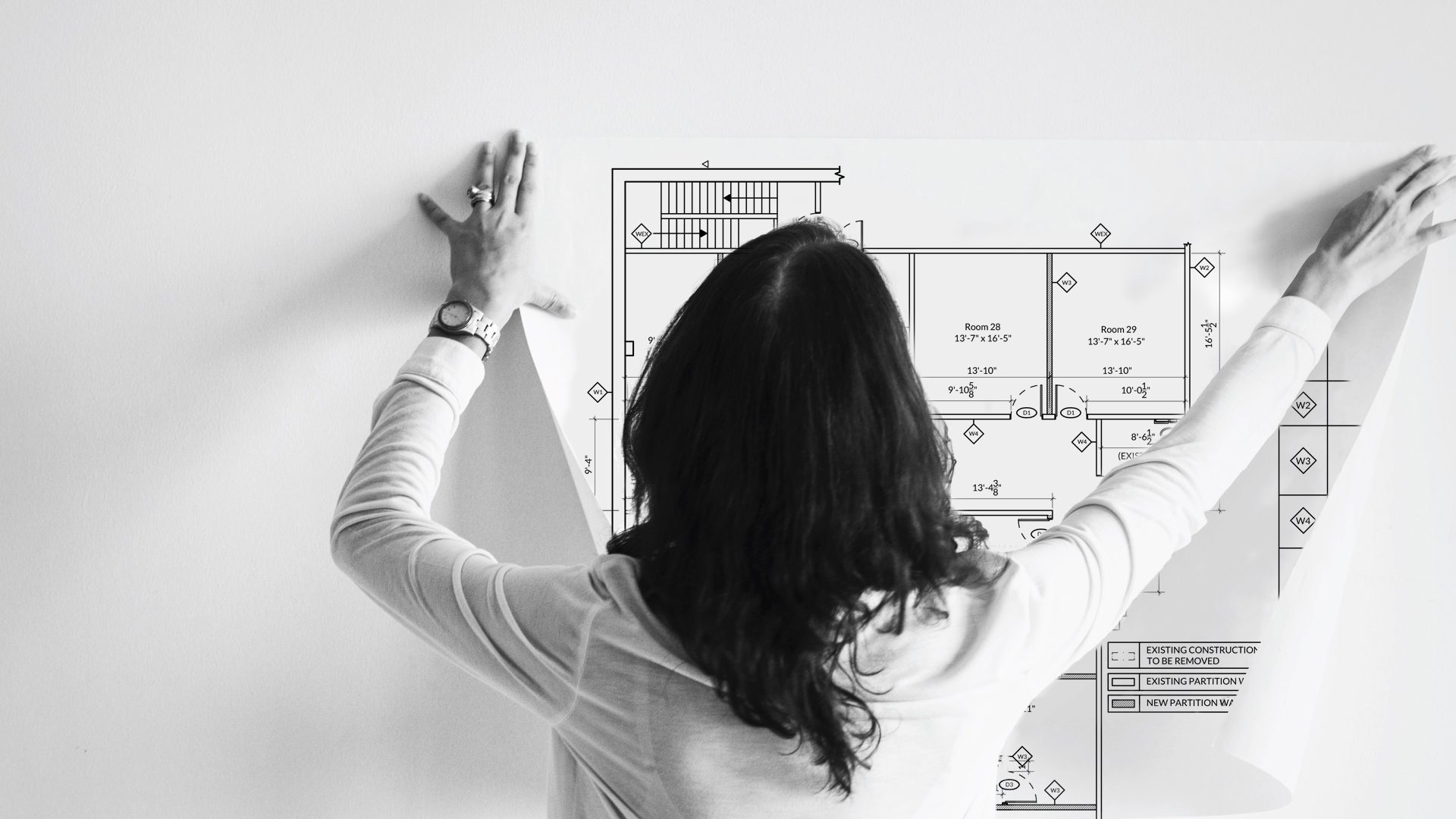
So what are the differences between Permit Drawings and Construction Drawings?
What is a Permit Set of Drawings?
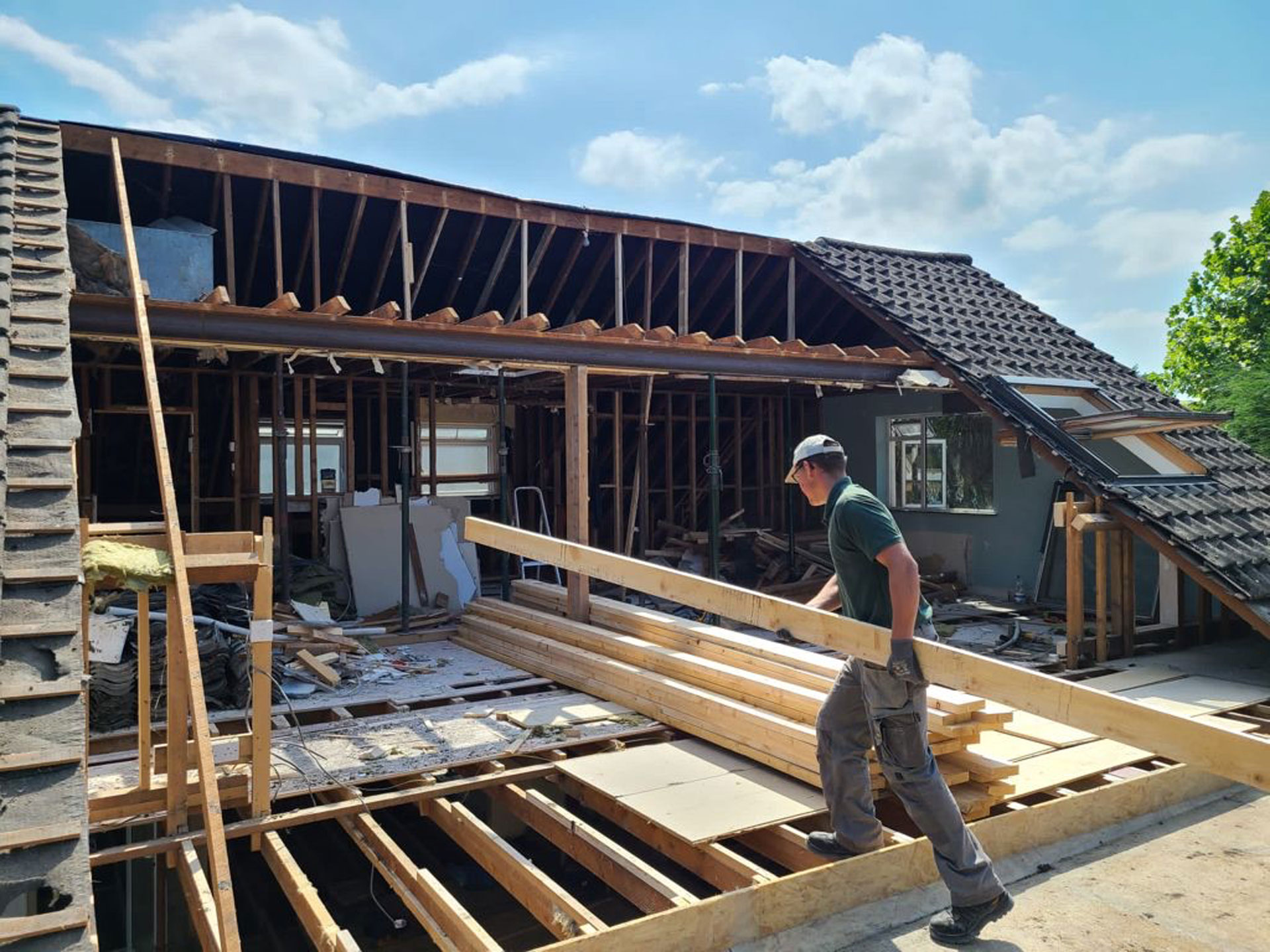
To understand permit drawings, it helps to first understand when they are required. Each city has its own regulations, so it’s always important to check local requirements before starting any project. That said, under the Building Code Act, a permit is required for the construction or demolition of a new building, an addition, or any significant alteration to an existing structure.
Permit drawings are created to show that the proposed work complies with applicable regulations, with a strong focus on life safety. They typically include elements such as a site plan, elevations, floor plans, and mechanical, plumbing, and HVAC layouts. However, this set is intentionally limited in scope.
While it may seem like enough information to move forward, permit drawings are not intended to guide construction in detail. For example, a floor might be identified as tile, but there will be no indication of tile size, finish, layout pattern, or installation direction. These are all critical decisions that directly affect the final outcome. Because of this, permit drawings are often more minimal and less detailed than many clients expect.
What is a Construction Set of Drawings?
Construction drawings build on the permit set and go much further. They include everything required for permits, but also provide detailed specifications for how the project should be executed. This can include full elevations, millwork details, finish selections, lighting plans, trim packages, and much more.
The purpose of construction drawings is not just to show what is being built, but to clearly communicate how it should be built. With this level of detail, contractors are able to provide more accurate pricing and execute the project with greater confidence. While there will always be decisions made on site due to unforeseen conditions, a well-developed construction set minimizes uncertainty and reduces the need for last-minute changes.
Why This Matters for Your Project
At first glance, it can feel like an unnecessary expense to go beyond permit drawings. However, skipping detailed construction drawings often leads to bigger challenges later on. Without clear specifications, contractors are forced to make assumptions. That can lead to inconsistencies, delays, and additional costs as decisions are made mid-project rather than in advance.
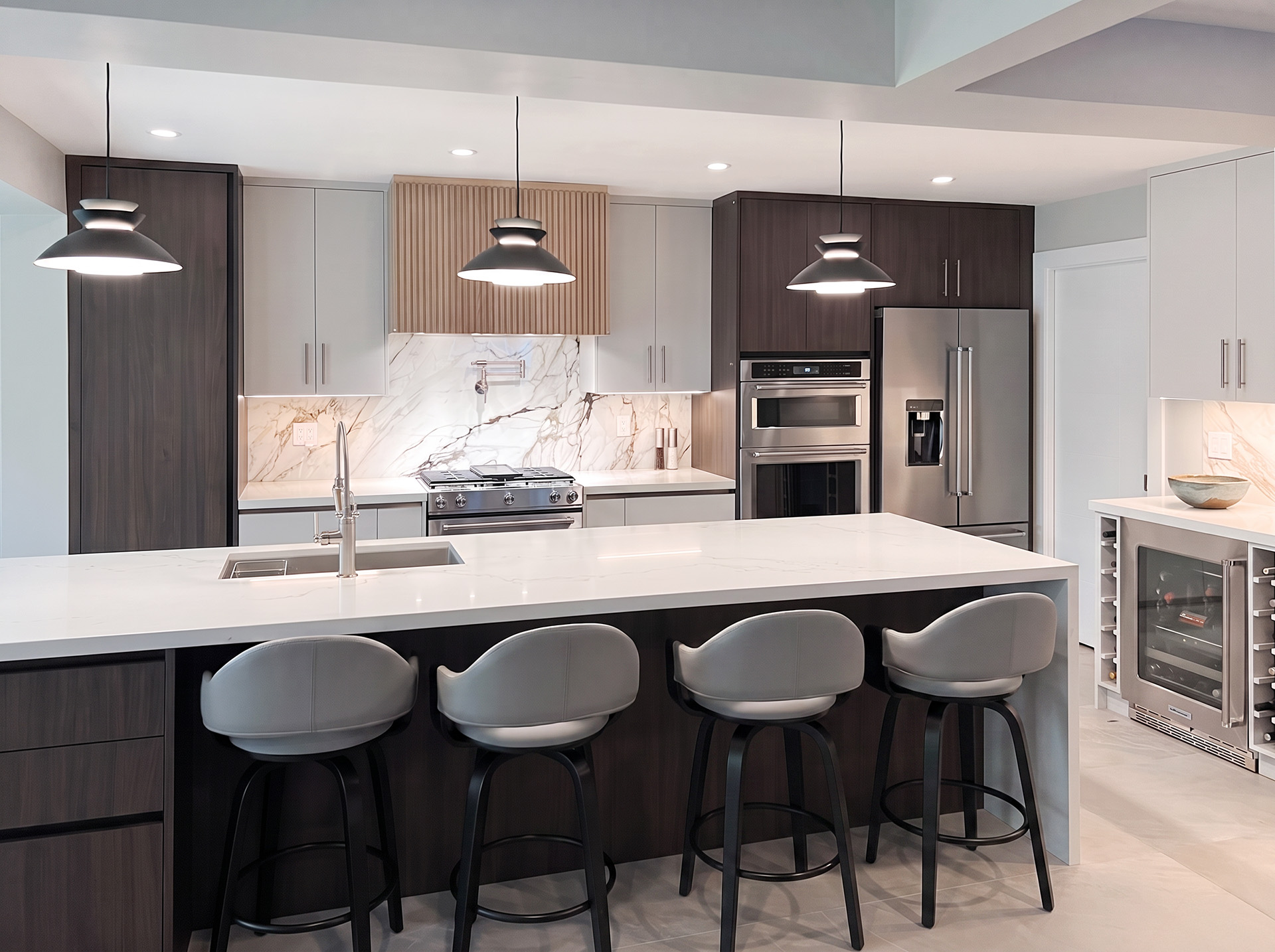
On the other hand, investing more time in the early stages allows for better planning. It leads to more accurate budgeting, a clearer timeline, and a smoother construction process overall. In many cases, the extra work done upfront actually saves both time and money in the long run, while also helping ensure that the final result aligns with your original vision.
Final Thoughts
It’s easy to assume that drawings are just a formality, especially when they look similar at a glance. In reality, they serve very different purposes. Permit drawings are about approval, while construction drawings are about execution. One allows you to build legally, and the other allows you to build correctly. Understanding that distinction early on can make a significant difference in how your project unfolds.
If you’d like to learn more about interior design tips or the design and construction process, and see how these details come together in real projects, you can follow along on Instagram.

Leave a Reply
You must be logged in to post a comment.