Some design choices look good for a season. Others stay relevant because they actually improve a space. Vertical tile is one of those ideas. While it gained popularity in recent years, vertical tile layouts have been used for a long time because they do something useful: they draw the eye upward and can make a room feel taller, cleaner, and more refined. If you are considering vertical tile in your own home, the key is knowing where it works best and where it adds little value.
Before using any trend in your own home, it is worth asking one question: Is it helping the space, or are you simply following the trend? So, let’s look at where the vertical tile works best.
Kitchen Backsplashes and the Vertical Tile Ideas
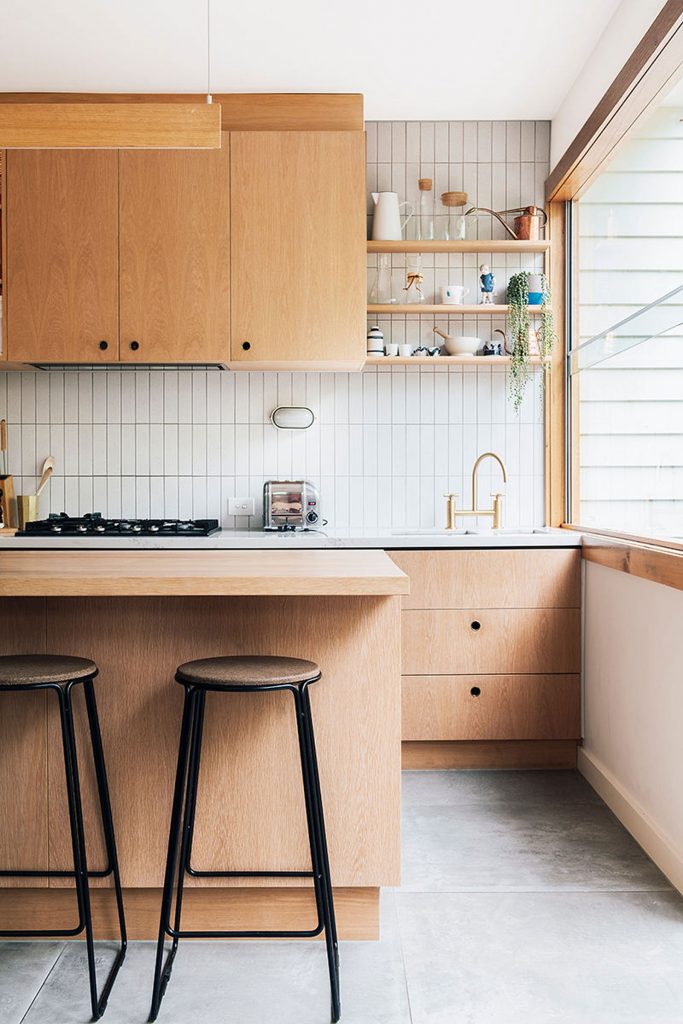
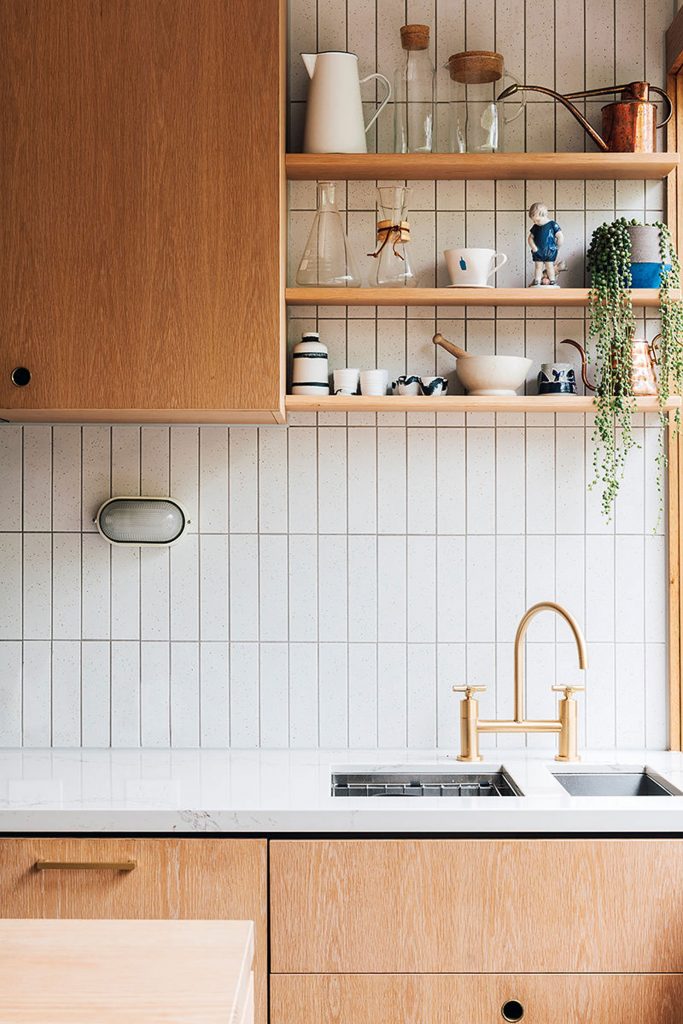
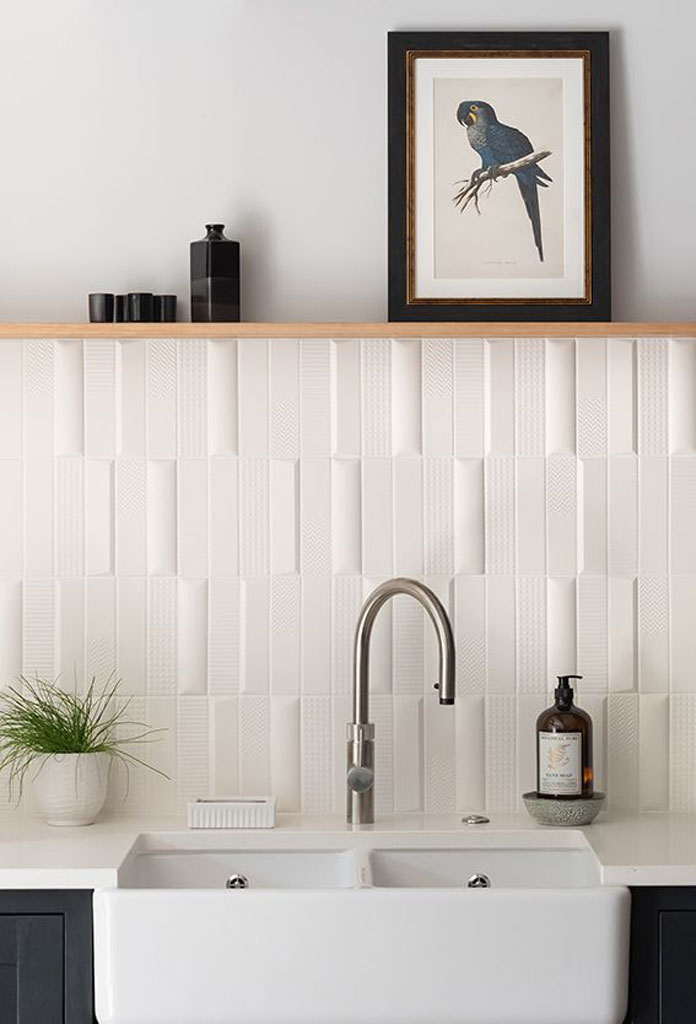
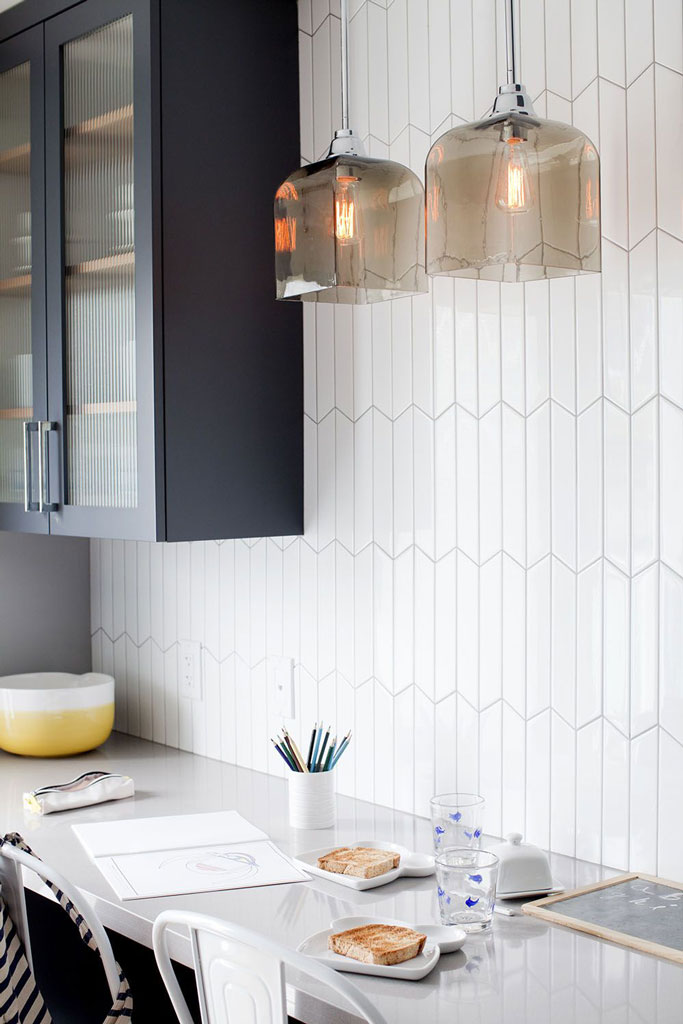
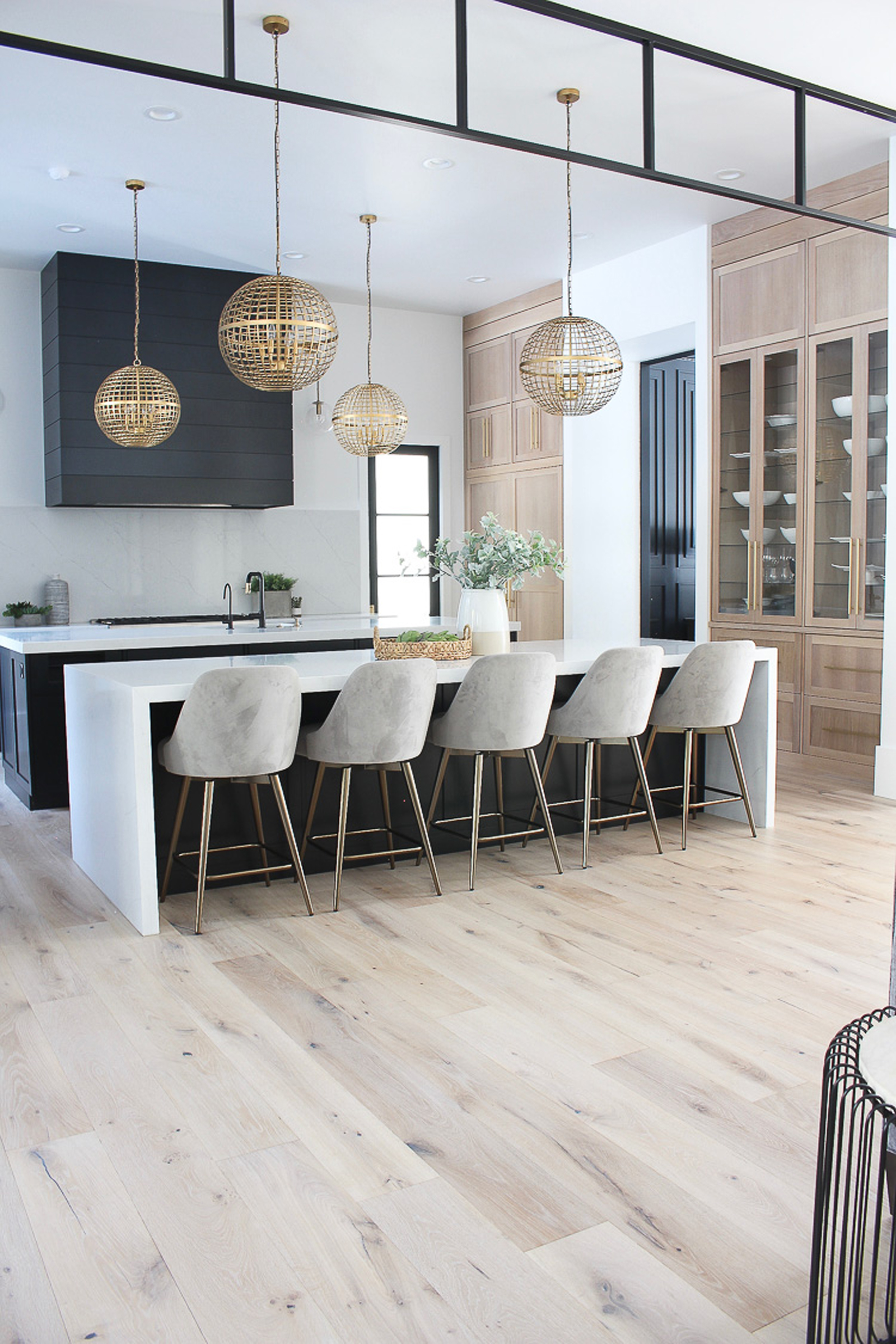
This is one of the more challenging places for vertical tile to truly make an impact. Most kitchen backsplashes are only 15 to 18 inches high, so two or three rows of tile may not visually stretch the room very much. However, when paired with open shelving, the effect changes completely. The eye naturally follows the vertical tile upward toward the shelves, helping the space feel taller and more dynamic. If you’re planning a kitchen update, you can also explore our kitchen design ideas for more layout and material inspiration.
Shower Walls: Where Vertical Tile Really Works
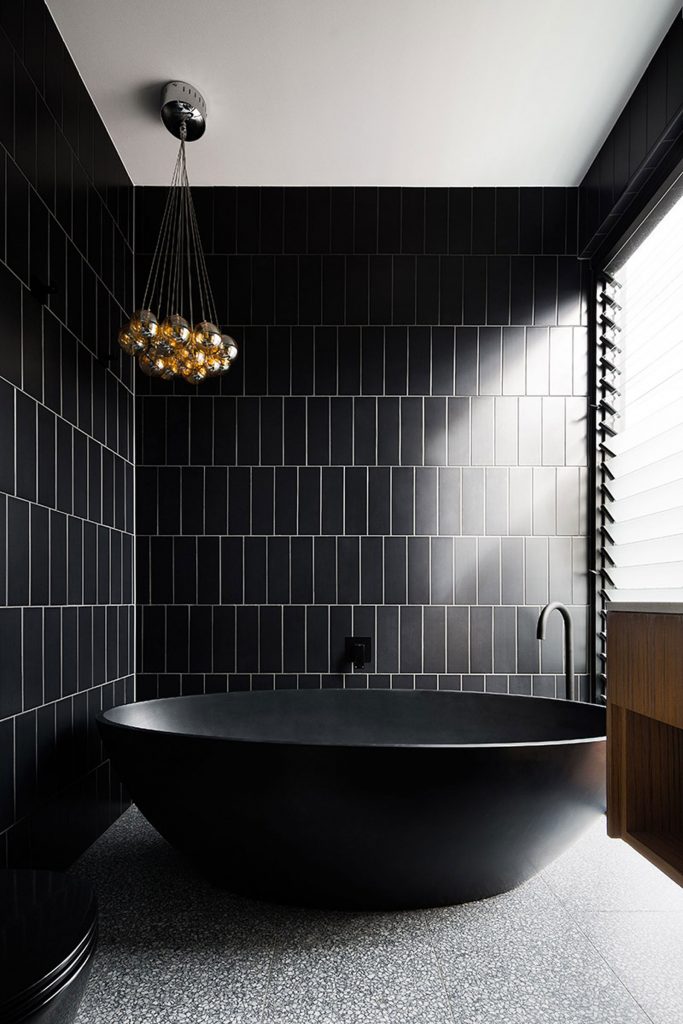
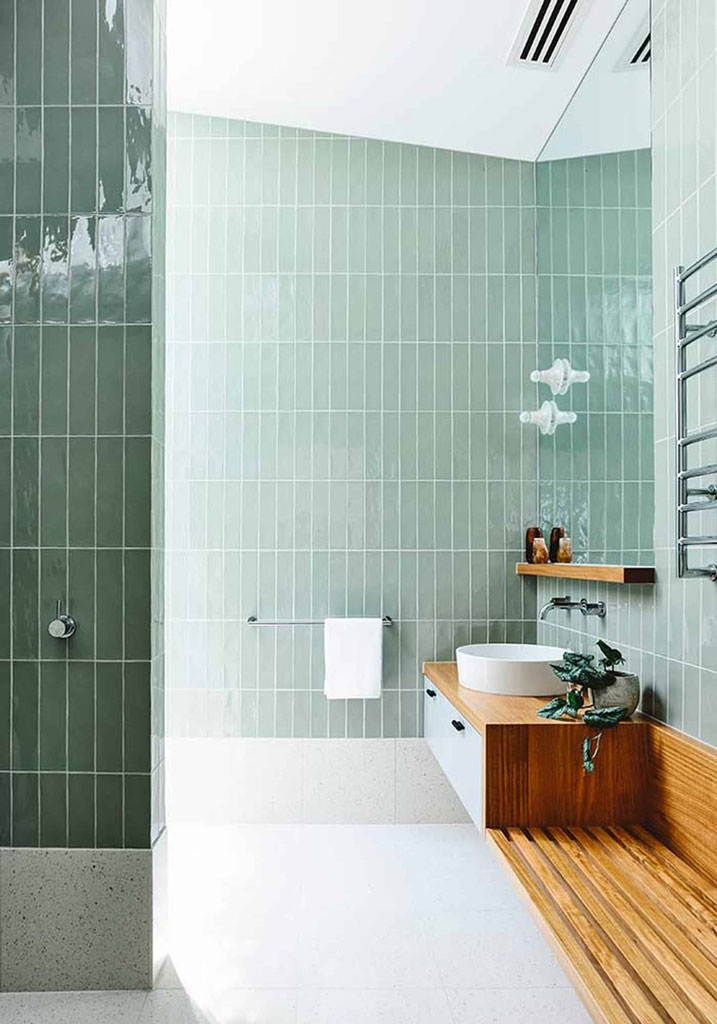
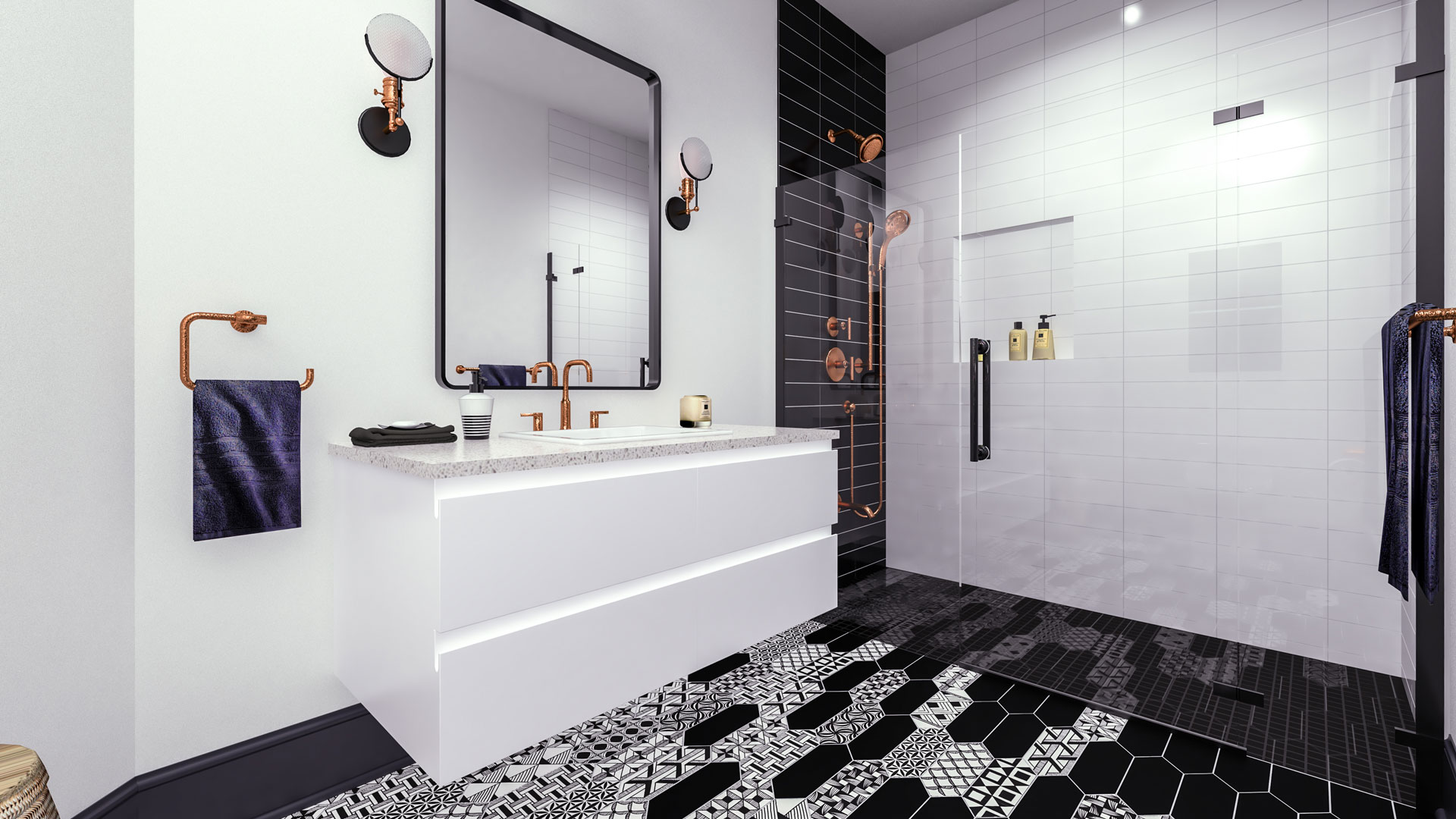
Let’s be honest, many bathrooms do not have soaring ceilings. That is exactly why shower walls are one of the best uses for vertical tile. Whether installed in a stacked modern pattern or a staggered brick layout, vertical tile helps the shower feel taller, cleaner, and more current. It is also a smart option if you love darker tile but worry about making the space feel smaller.
Bathroom Walls and Vanities
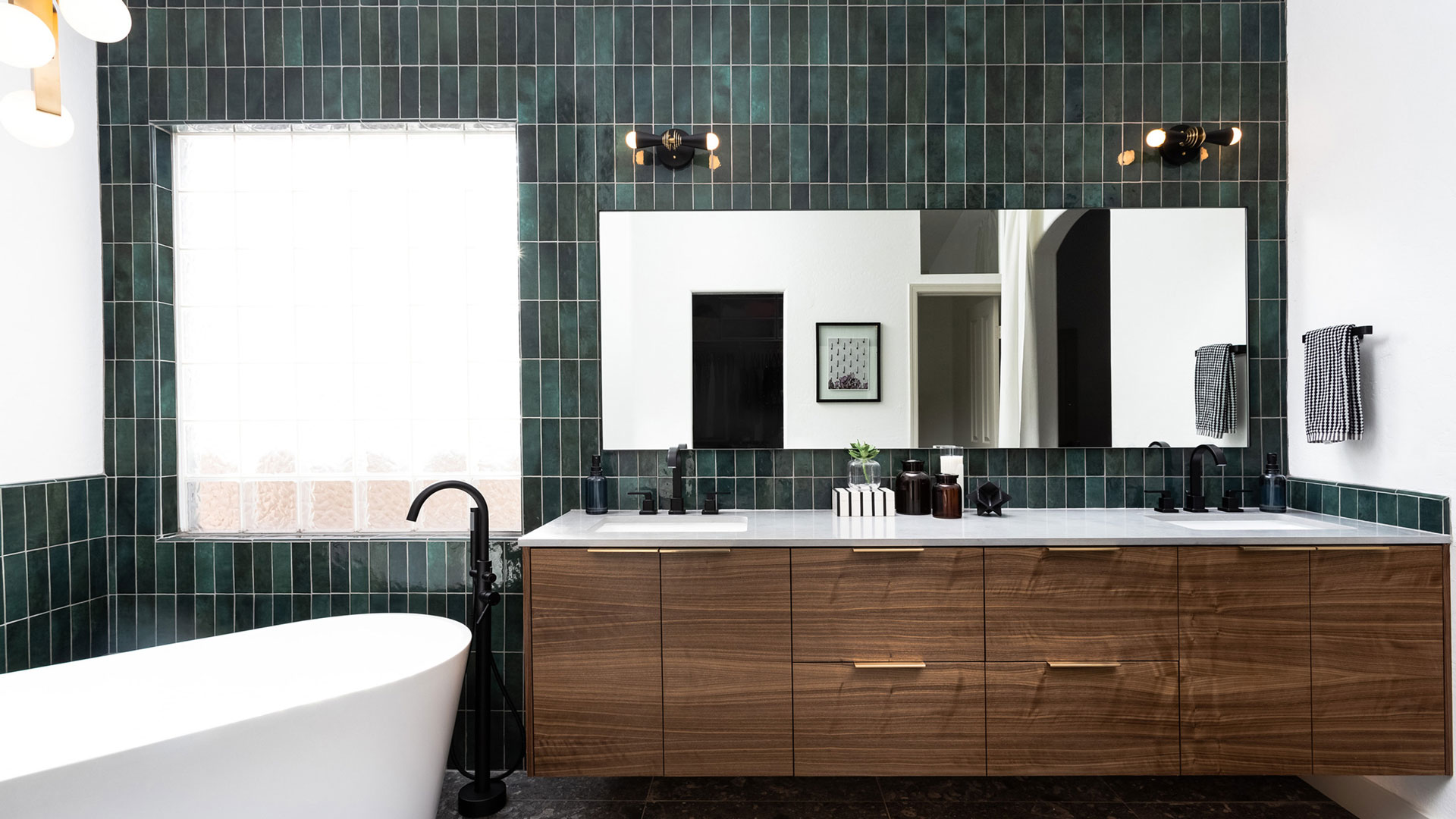
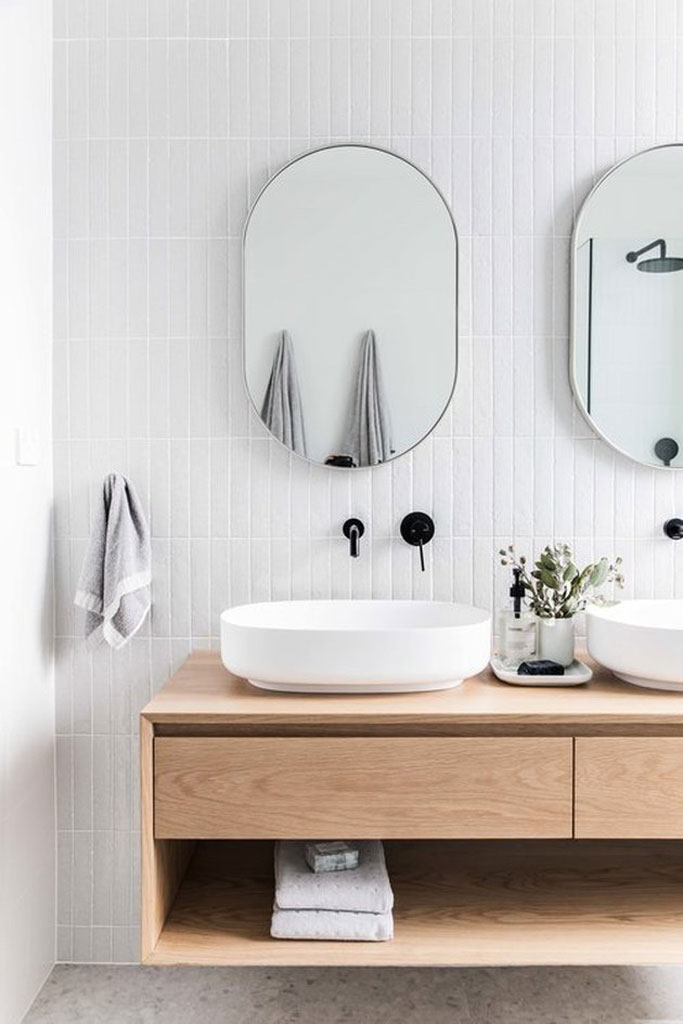
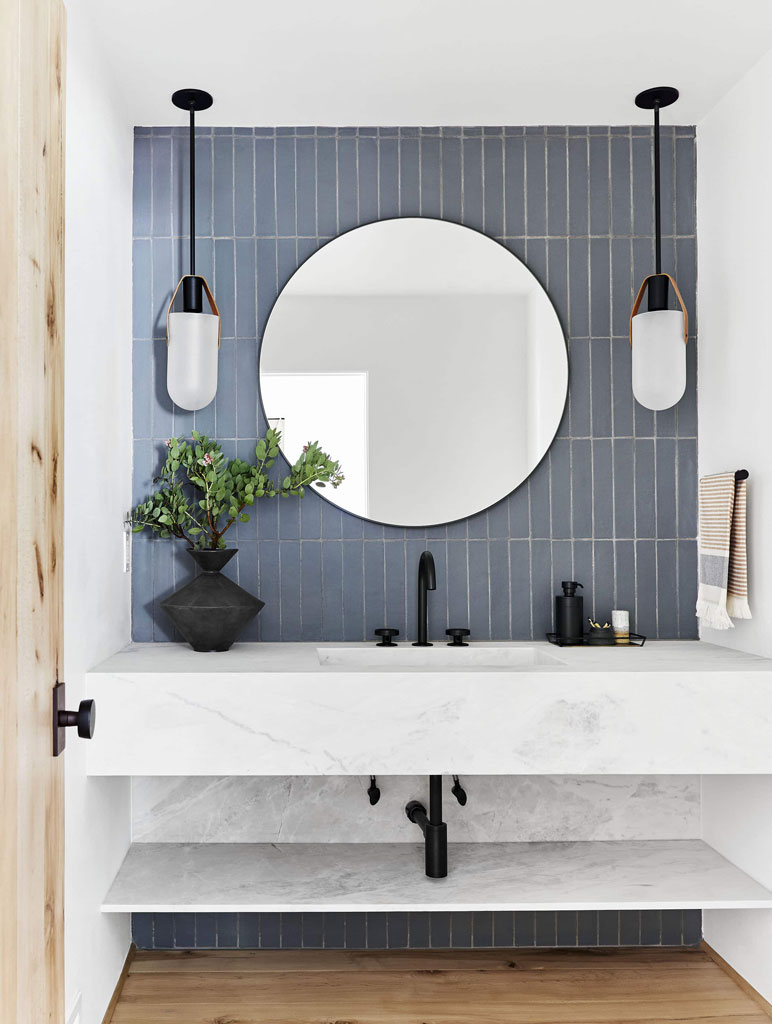
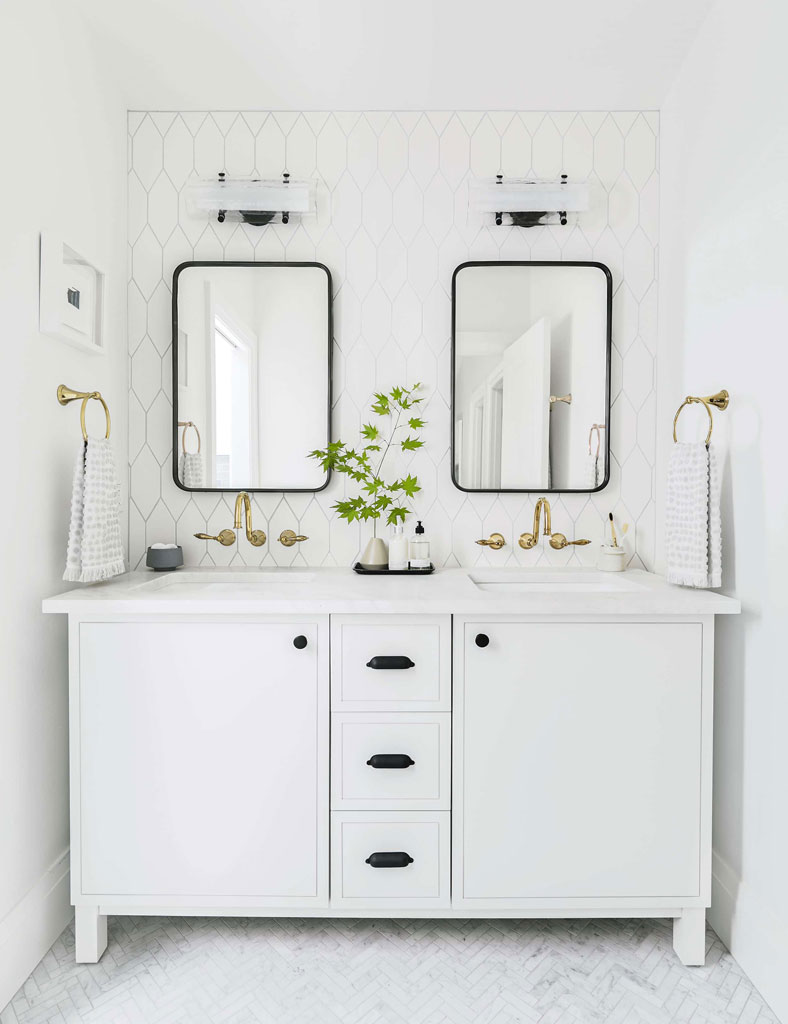
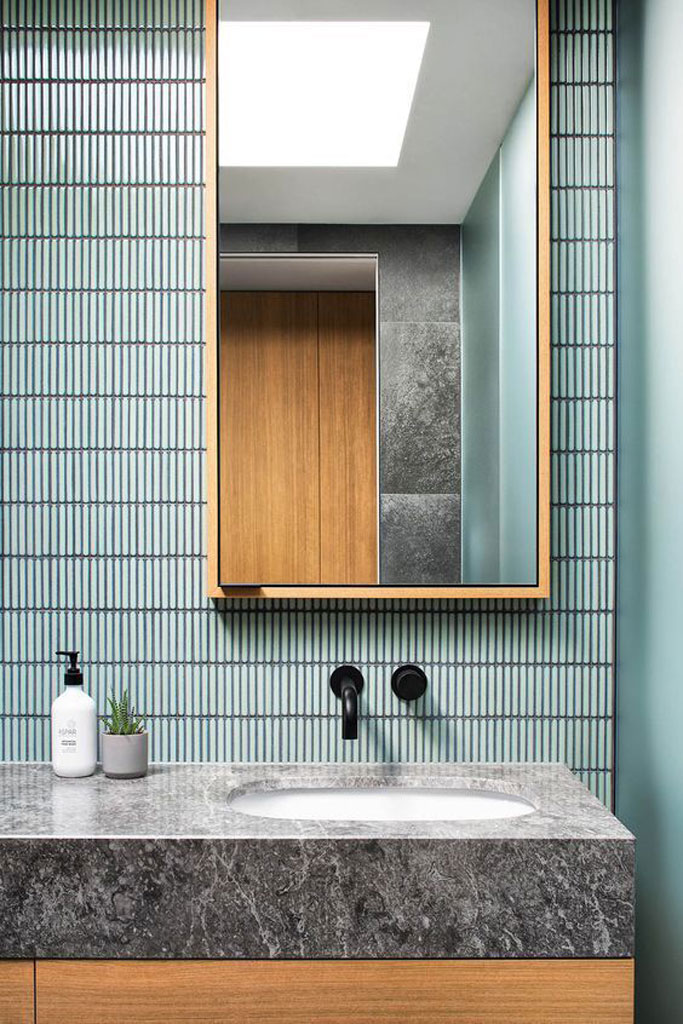
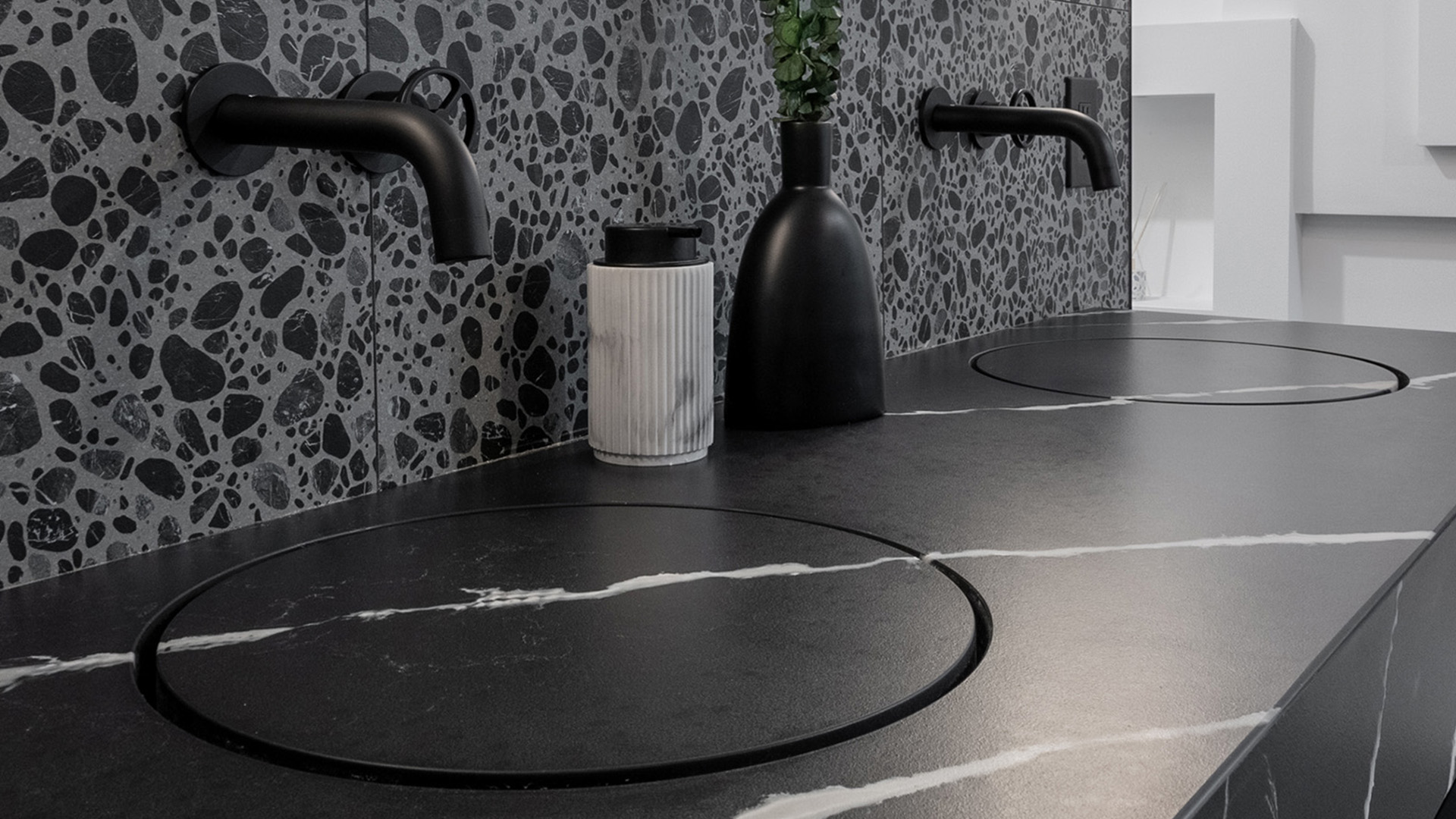
Unlike many kitchen backsplashes, bathroom walls can benefit significantly from vertical tile. Extending tile behind the vanity or across a full wall can visually enlarge the room. Pair that with a floating vanity and the effect becomes even stronger.
Tip: In very narrow powder rooms, be cautious. Too much vertical emphasis can sometimes create an ‘elevator shaft’ feeling.
Fireplaces
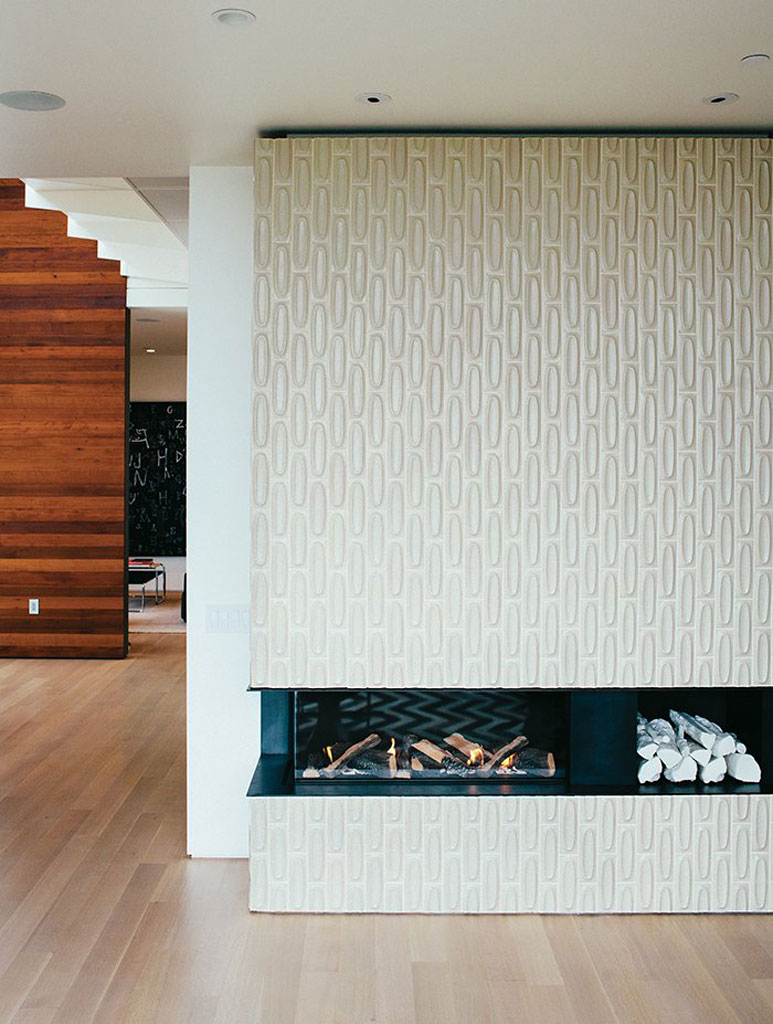
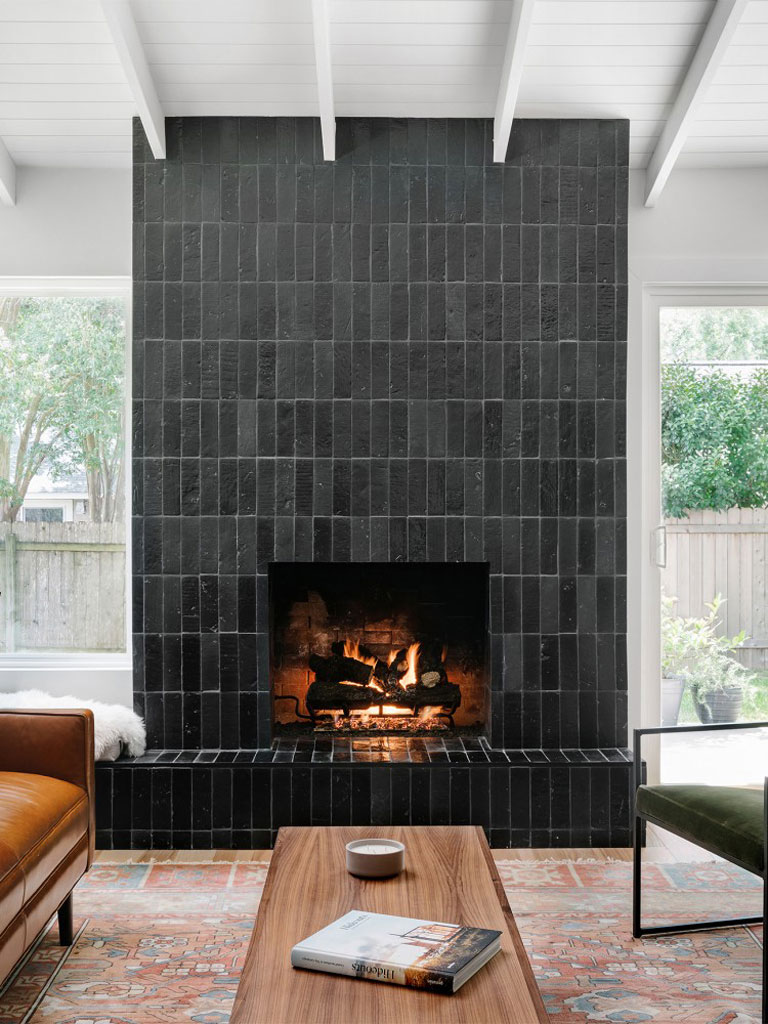
If your ceilings feel low or the room lacks presence, a fireplace clad in vertical tile can make a surprising difference. It adds height, creates a cleaner focal point, and brings a modern edge to the room. If you enjoy subtle upgrades with big impact, our living room design ideas may also help.
Beyond the Subway Tile
Most examples of the vertical tile trend use classic subway tile, and for good reason. It is affordable, versatile, and easy to source. But you are not limited to subway tile. Think about textured surfaces, handmade finishes, elongated shapes, bold colours, or more custom layouts. That is where the trend becomes personal rather than predictable.
Final Thoughts on the Vertical Tile Ideas
The vertical tile works best when it solves a design problem, not just when it follows fashion. If your goal is to make a room feel taller, fresher, or more refined, it can be an excellent choice. If it serves no purpose, then it may simply become another passing trend. Good design always starts with the space itself. If you’re planning a bathroom, kitchen, or full renovation and want help choosing finishes that truly work, explore our interior design services.
For more design ideas, real projects, and material inspiration, follow us on Instagram.

Leave a Reply
You must be logged in to post a comment.