Events happen throughout history that change the course of what society sees as normal. As we’ve been living through a global pandemic, it has dramatically transformed the way we live day to day. And honestly, I think some of these changes may end up staying with us well beyond it. So how does all of this connect to interior design? Well, let’s talk about open concept homes.
The Open Concept
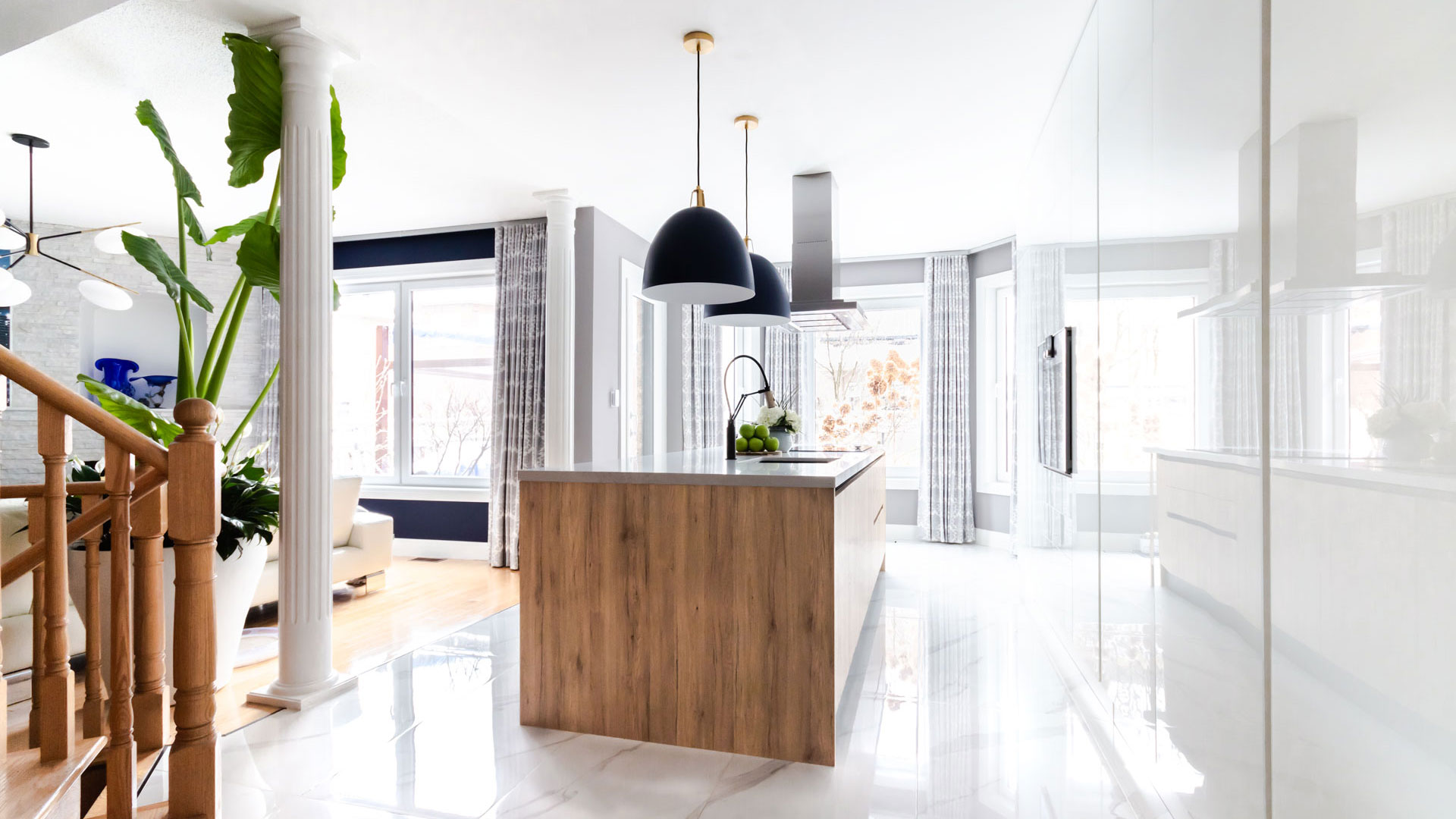
Over the past decade, open concept homes have steadily grown in popularity, especially in smaller homes. By removing interior walls, these layouts make the most of available square footage and help spaces feel larger and more luxurious.
There are plenty of advantages to an open layout. It improves communication and sociability, supports multifunctional living, and makes it easier to keep an eye on kids. These are just a few of the reasons why open spaces became so desirable in the first place. Open floor plans also allow individual activities and social togetherness to coexist. Family members can all be doing different things, yet still interact with one another.
The same thing applies when entertaining. The kitchen, dining room, and living room blend into one larger party space. The way people entertain has changed a lot over the last decade, and naturally, the way we lay out our homes changed with it. Guests now want to mingle with the hosts, chat in the kitchen, and be part of the action. That’s a major shift from the old tradition of one person preparing food in the kitchen and then serving it formally in a dining room.
The Latest Buzz
That said, with everything that’s been going on, there has definitely been more questioning around open layouts. Being at home all day has forced us to become much more aware of how our homes actually function when we spend more than just a few hours in them. We’ve noticed an increase in conversations online and in our day-to-day work about what these spaces do well and where they start to fall short.
For many families, the biggest issues have been privacy and noise. When everyone is home trying to juggle work, school, and daily life, a completely open home can become challenging. There have been plenty of calls and Zoom meetings where parents are trying to keep children quiet in the background. It’s happened to me too. I don’t have kids, but my nieces once came flying into my home right in the middle of a client call. I ran to the door to try to keep things under control, and my client just laughed and said, ‘What are you going to do? This is what happens when we have to work from home.’
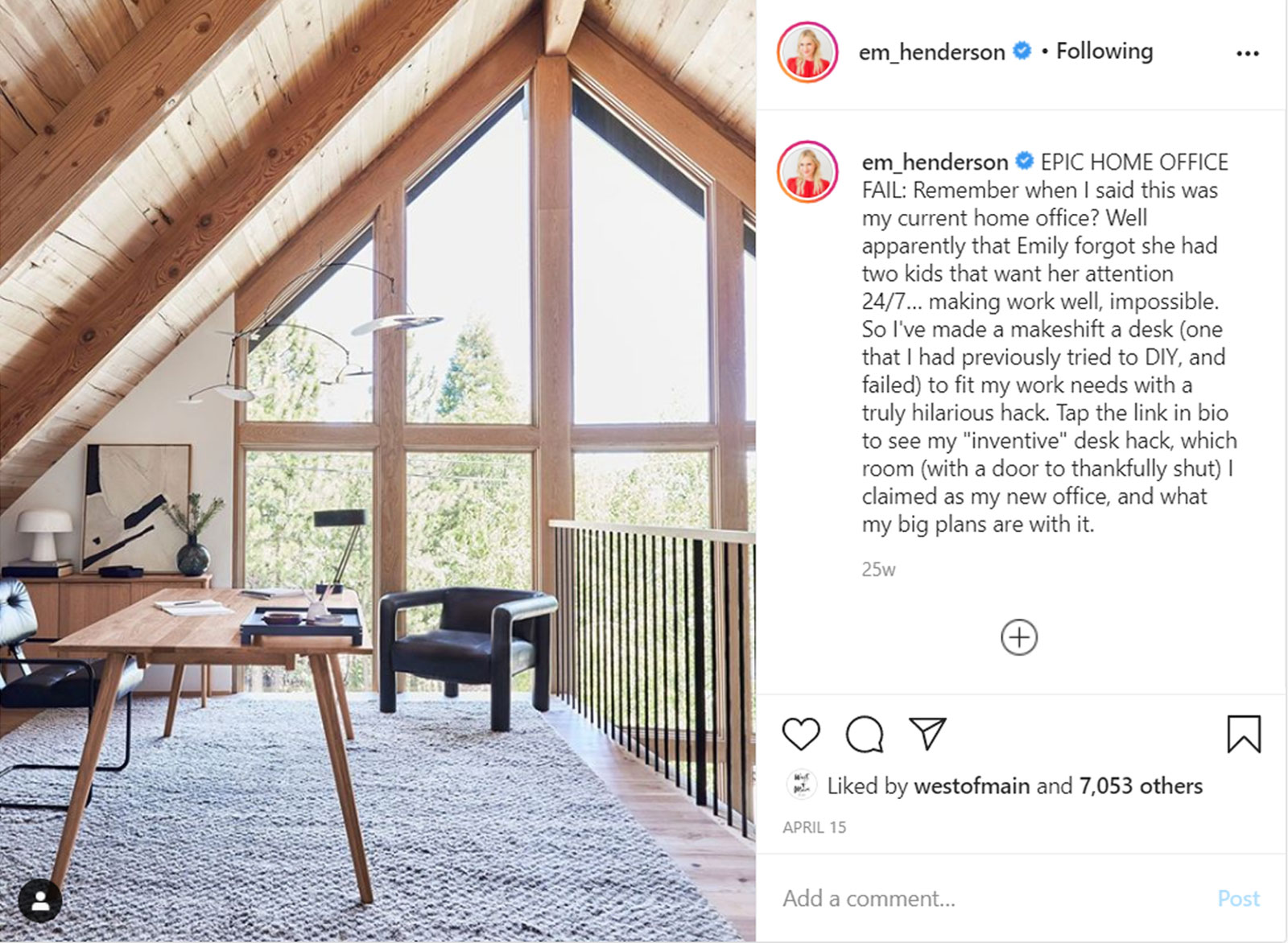
Even Emily Henderson shared on Instagram that her open concept office didn’t quite work once both of her kids were home too.
The Shift
So what happens next? What is the new norm? Will more people continue working from home long term? Will we go back toward clearly defined rooms and more compartmentalized spaces?
Maybe. It’s definitely possible that the pandemic will influence architecture and interior design in that direction. But the bigger question is what people can actually do right now. It’s not realistic for everyone to suddenly start adding walls and doing full renovations.
Larger homes may have the luxury of accommodating a separate office. But what about smaller homes? This is where underused rooms start to matter more. The formal dining room, for example, has become less important in many homes because of how entertaining has changed. We’ve had clients tell us they use it once a year and otherwise it just feels like wasted space. So maybe the dining room starts to give way to more private, enclosed multifunctional rooms.
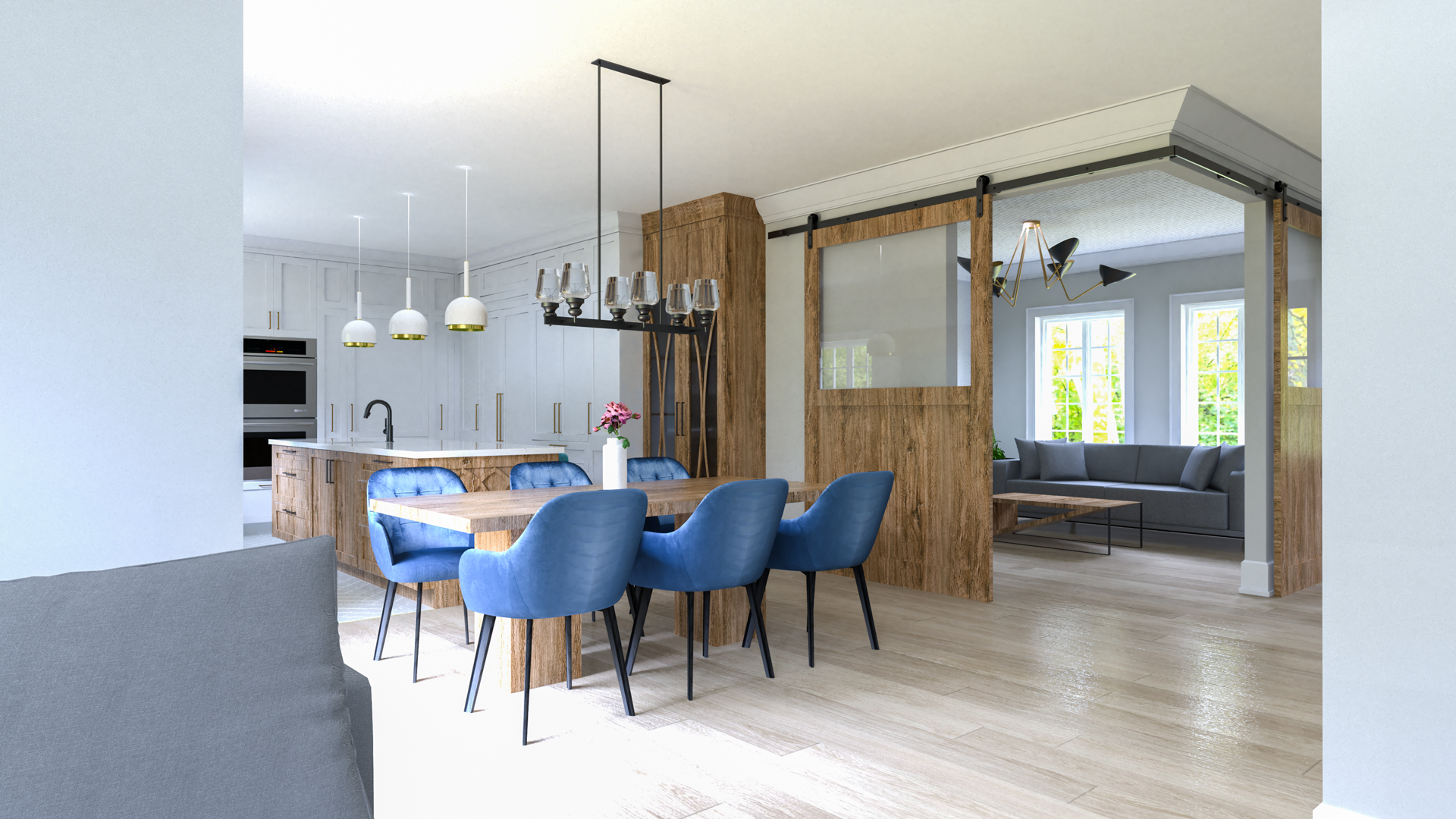
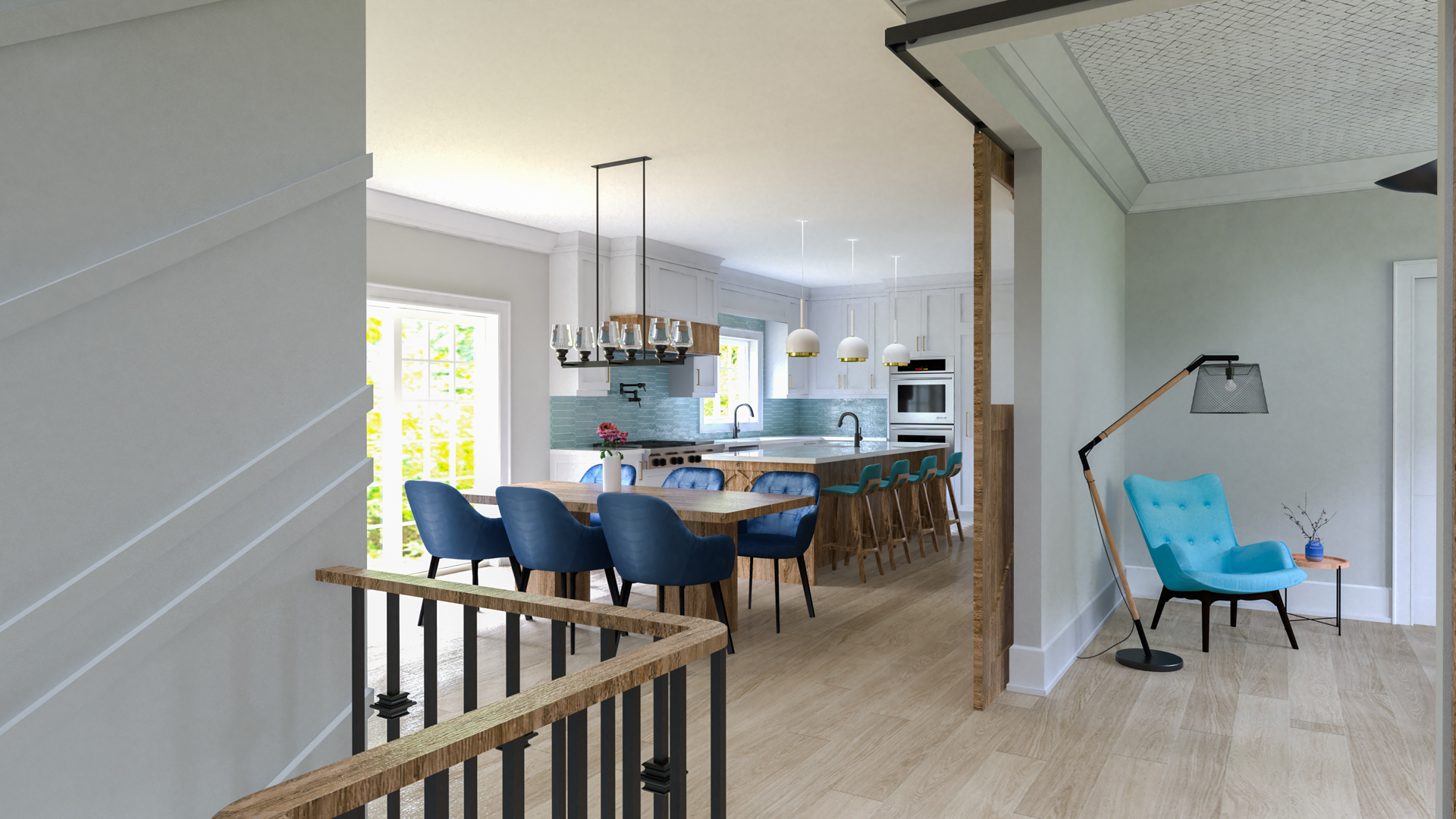
In our Milton Bungalow project, this was exactly the conversation we had with our clients. They chose to create a larger eat-in kitchen and remove the existing dining room. In its place, we designed a den with an entrance to a private office. The den can remain open for entertaining or be closed off with barn doors when more privacy is needed.
And then there’s another question worth asking. What about acoustics? Do those solutions become an even more important part of residential design as people continue working, studying, and living in shared spaces? One thing we know for sure is that temporary workstations set up on kitchen tables haven’t been ideal. Families trying to use one shared surface for work, school, crafts, and meals are finding it difficult to manage. This situation has definitely opened many homeowners’ eyes to the way their homes function under different circumstances.
Final thoughts
The interesting thing about open concept homes is that they’re not necessarily becoming undesirable. They’re just being questioned in a way they weren’t before.
People still want connection, flexibility, and flow. But now they also want privacy, quieter corners, and spaces that can shift with them when life changes. So maybe the future isn’t about going fully open or fully closed. Maybe it’s about creating homes that can do both.
Let us hear your thoughts and experiences through these past few months.

Leave a Reply
You must be logged in to post a comment.