The formal dining room, a separate, closed-off space where families gather a few times a year. It’s something many homes still have, yet it’s also one of the most questioned spaces during consultations. As more homeowners explore new dining room ideas, the question keeps coming up: should we keep it, or rethink it entirely?
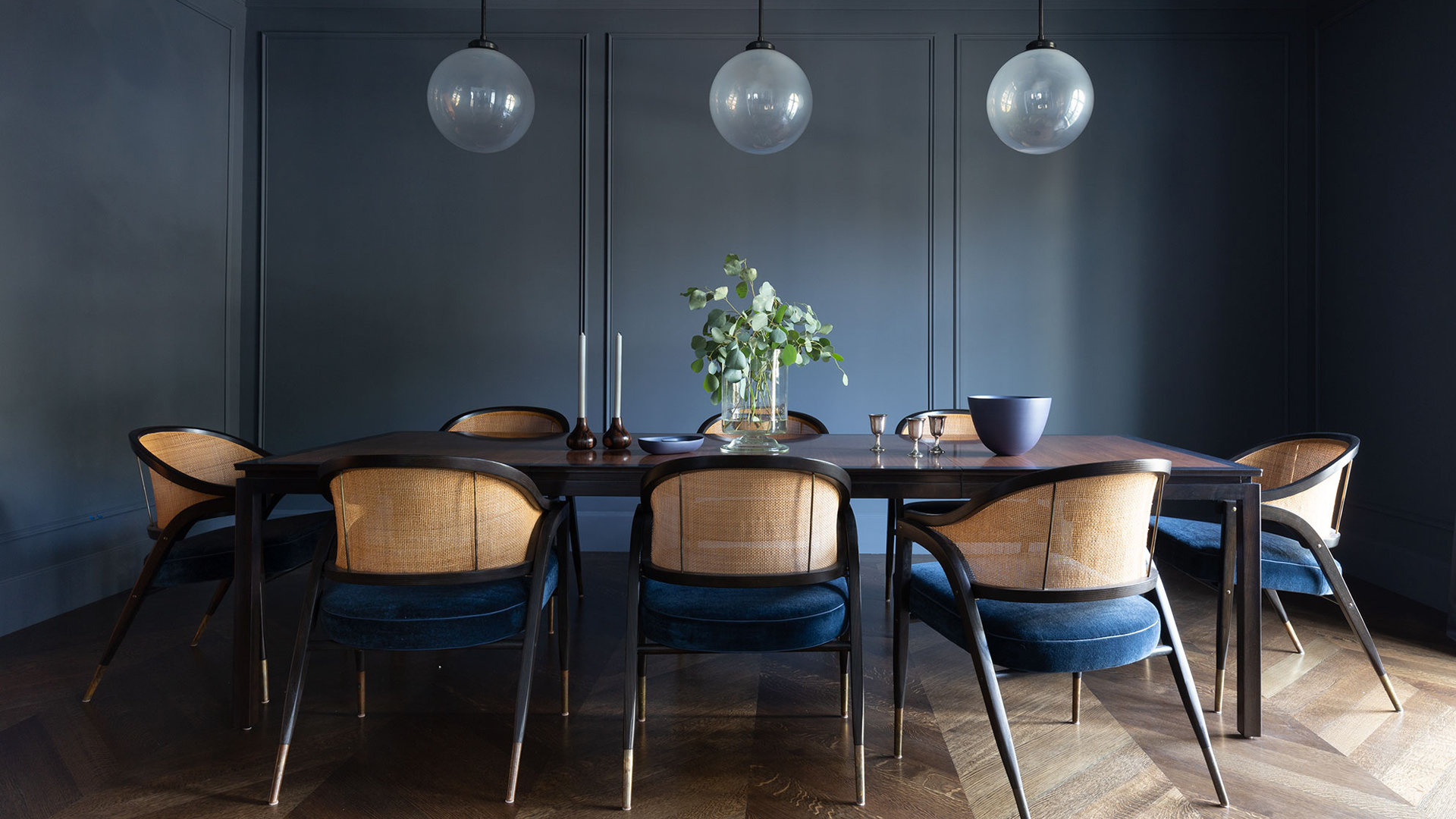
I’ve been in the design world for a while, and this question comes up almost every time. Homeowners often feel torn. On one hand, there’s a sense that the dining room should stay, just in case it’s needed for larger gatherings. On the other, it tends to sit unused most of the year. And realistically, how many of us can relate to that?
Even when clients say they want to keep a formal dining room, it often ends up being the least used space in the home. The truth is, the dining room isn’t what it used to be. That doesn’t mean the idea of gathering around a table is gone, far from it. We still love to share meals, host friends, and spend time together. The difference is in how those moments happen.
A Shift in How We Live and Entertain
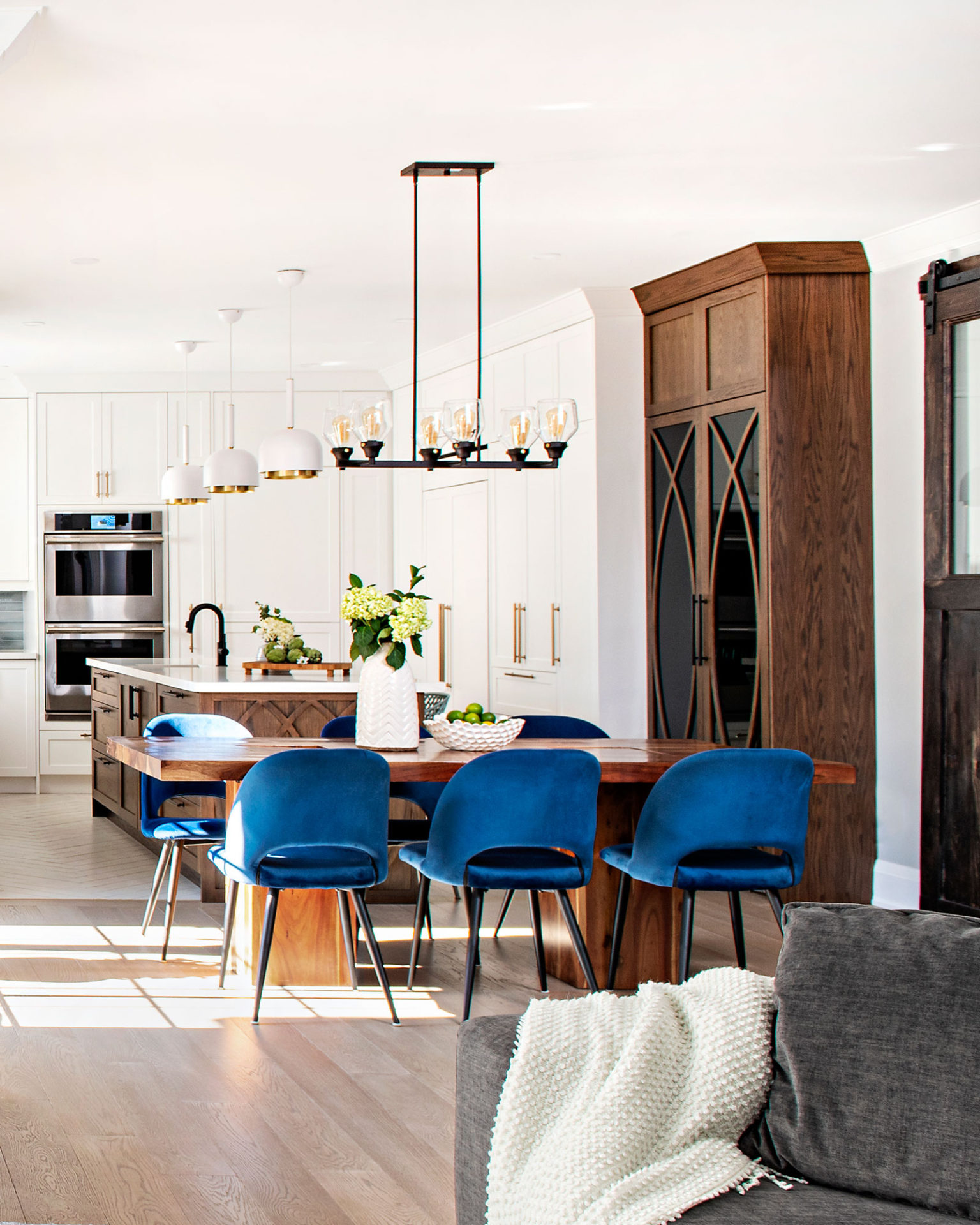
Over time, the dining experience has become more casual. Open-concept living has played a big role in that shift. It allows families to stay connected, whether they’re cooking, helping kids with homework, or entertaining guests. At the same time, hosting has become more interactive. Instead of preparing everything behind closed doors and serving it formally, people now prefer to cook together, gather around the kitchen, and be part of the process. This is where many dining room ideas start to evolve. Rather than having a dedicated formal space, the function of dining is often integrated into the kitchen or living areas, making it more flexible and more aligned with everyday life.
Rethinking the Dining Room in Real Projects
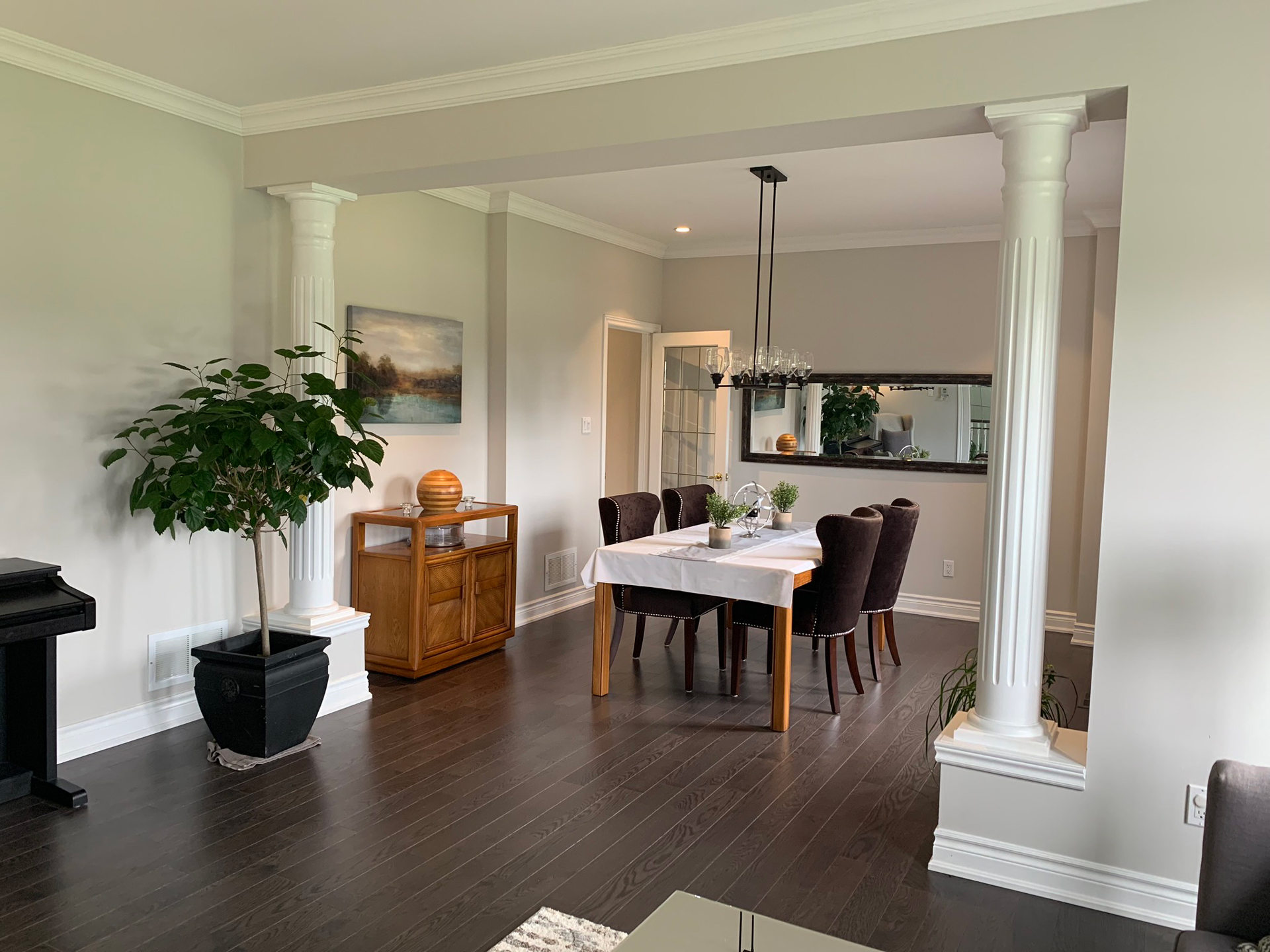
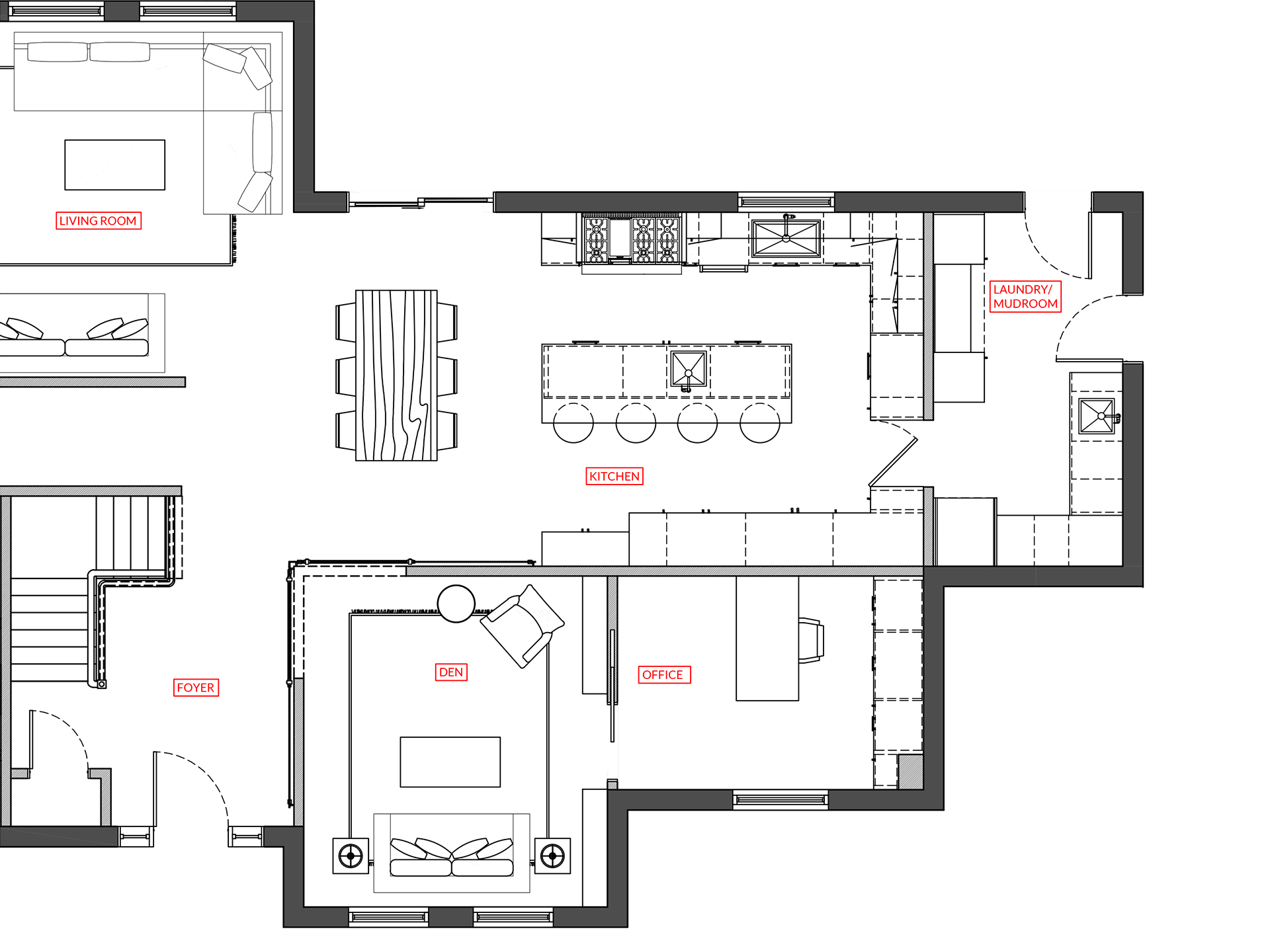
In our Milton Bungalow project, this was one of the first discussions we had with our clients. The home originally included a formal dining room, but they felt the space could be used more effectively. Since they love to entertain, removing it entirely wasn’t an option, it just needed to work differently.
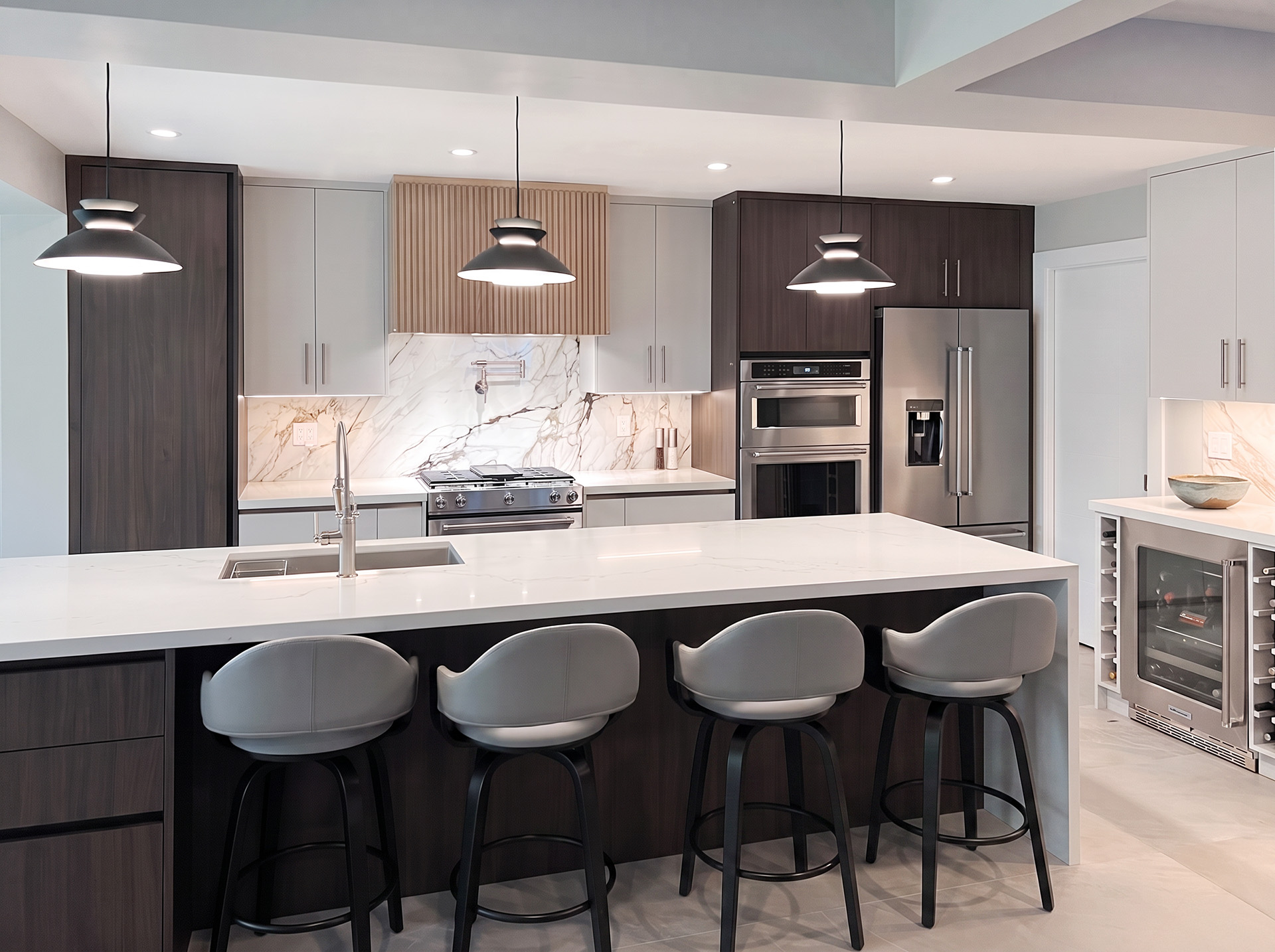
The solution was to transform that room into a home office. To accommodate gatherings, we designed a large kitchen island with generous seating, along with an eating area that could fit a substantial table. We also introduced corner barn doors that open into the den, allowing the spaces to connect when needed.
This approach created flexibility. The home could function day-to-day without a formal dining room, while still having the ability to expand and host larger groups when required.
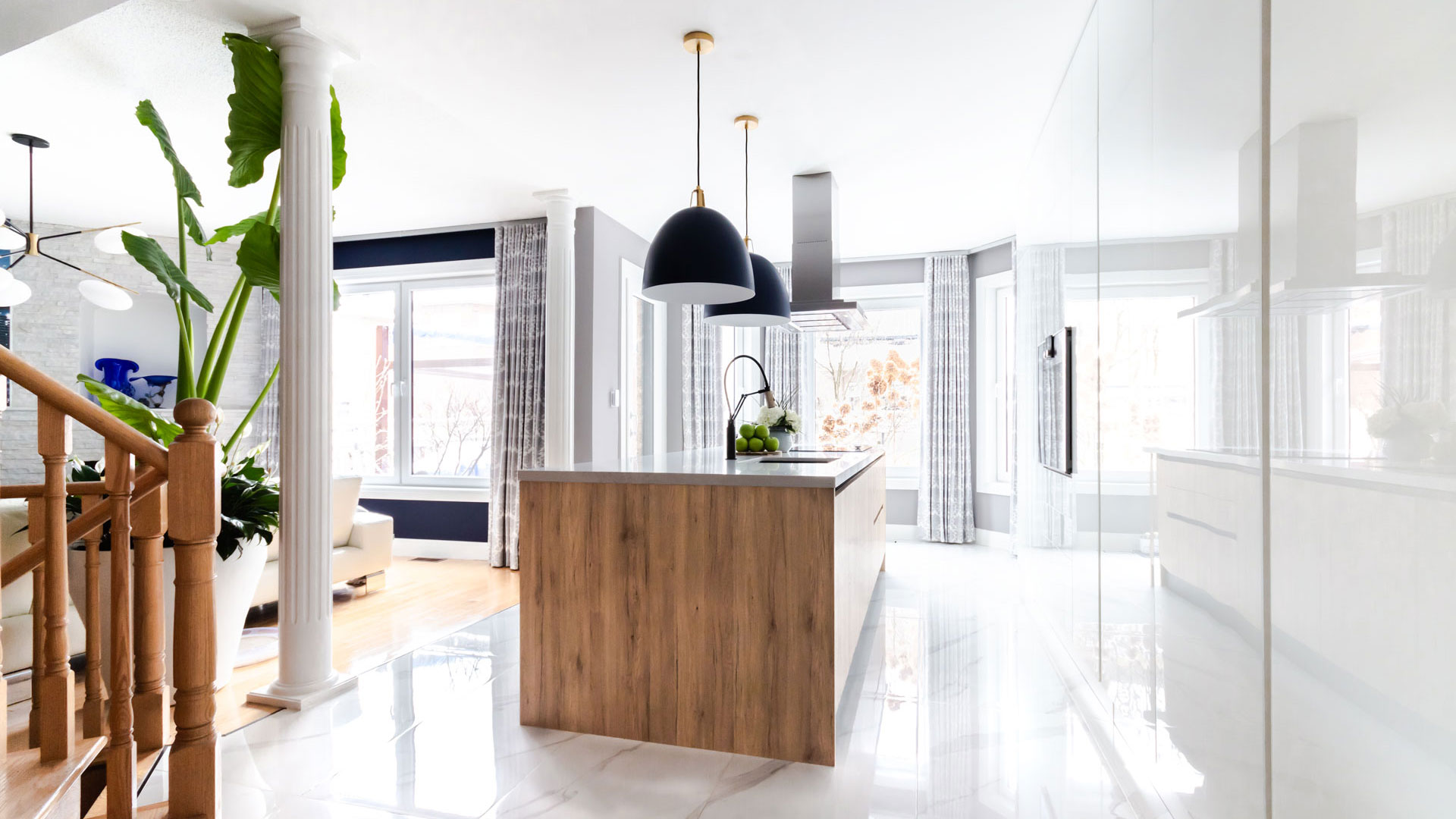
Open-concept living doesn’t necessarily mean giving up a dedicated dining space. In our Unionville Residence Kitchen Design, we integrated the kitchen and dining areas so they feel connected while still giving each space its own purpose. It’s a great example of how thoughtful planning can support both everyday family life and entertaining.
Adapting Spaces to Real Life
Design is always evolving. It reflects how we live, and right now, that evolution is happening faster than ever. The past few years have reshaped how we use our homes, making flexibility more important than ever.
Spaces are no longer defined by a single function. Instead, each room is being re-evaluated based on how it can support multiple needs throughout the day. This shift has made homeowners more open to rethinking traditional layouts.
What Else Can a Dining Room Become?
For many families, the dining room is simply an opportunity. It’s a space that can adapt to current needs rather than sit unused.
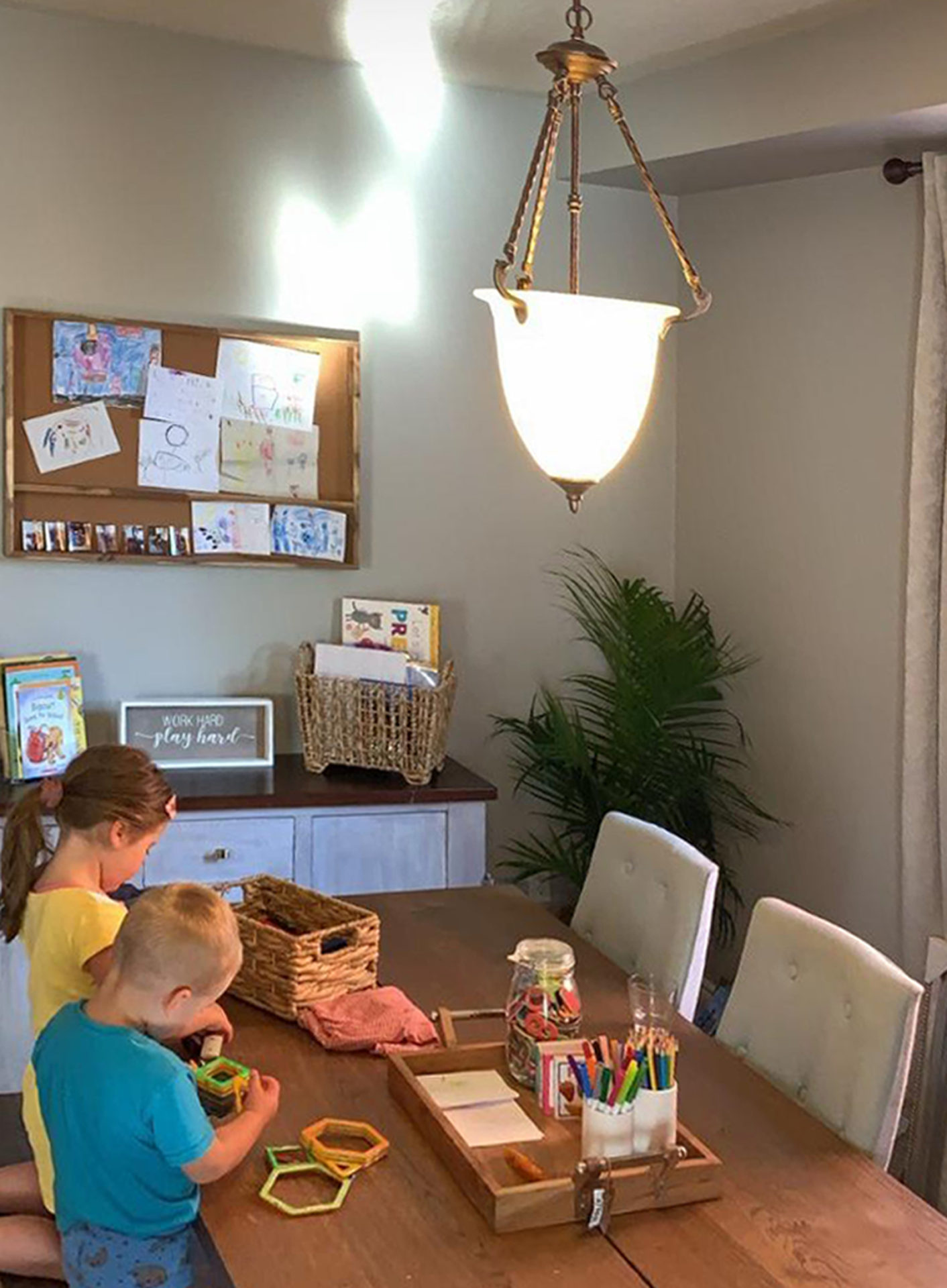
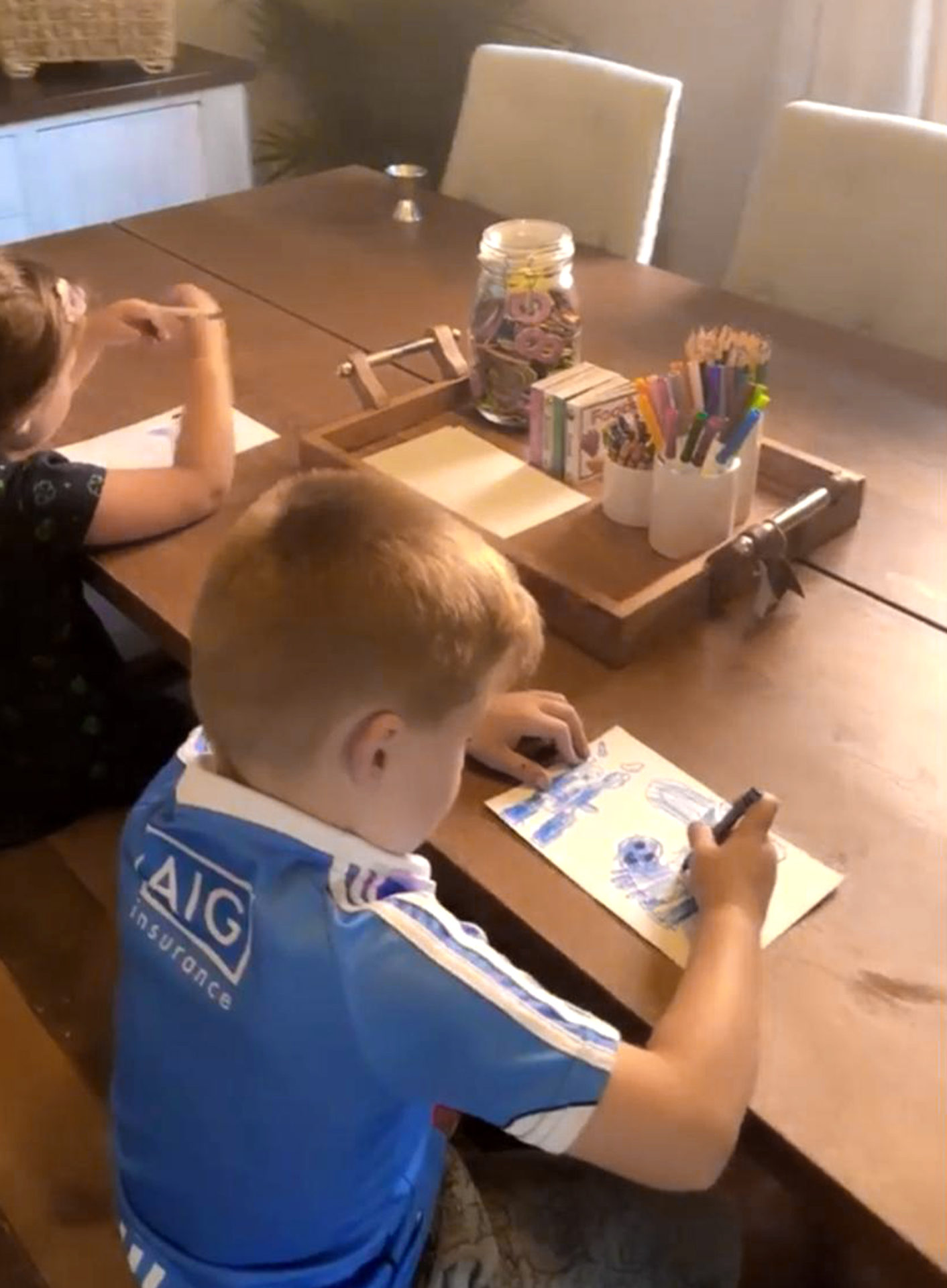
In some homes, it becomes a playroom or a creative space for kids. Instead of being reserved for occasional dinners, it turns into an active, everyday area where children can do crafts, schoolwork, or simply spend time.
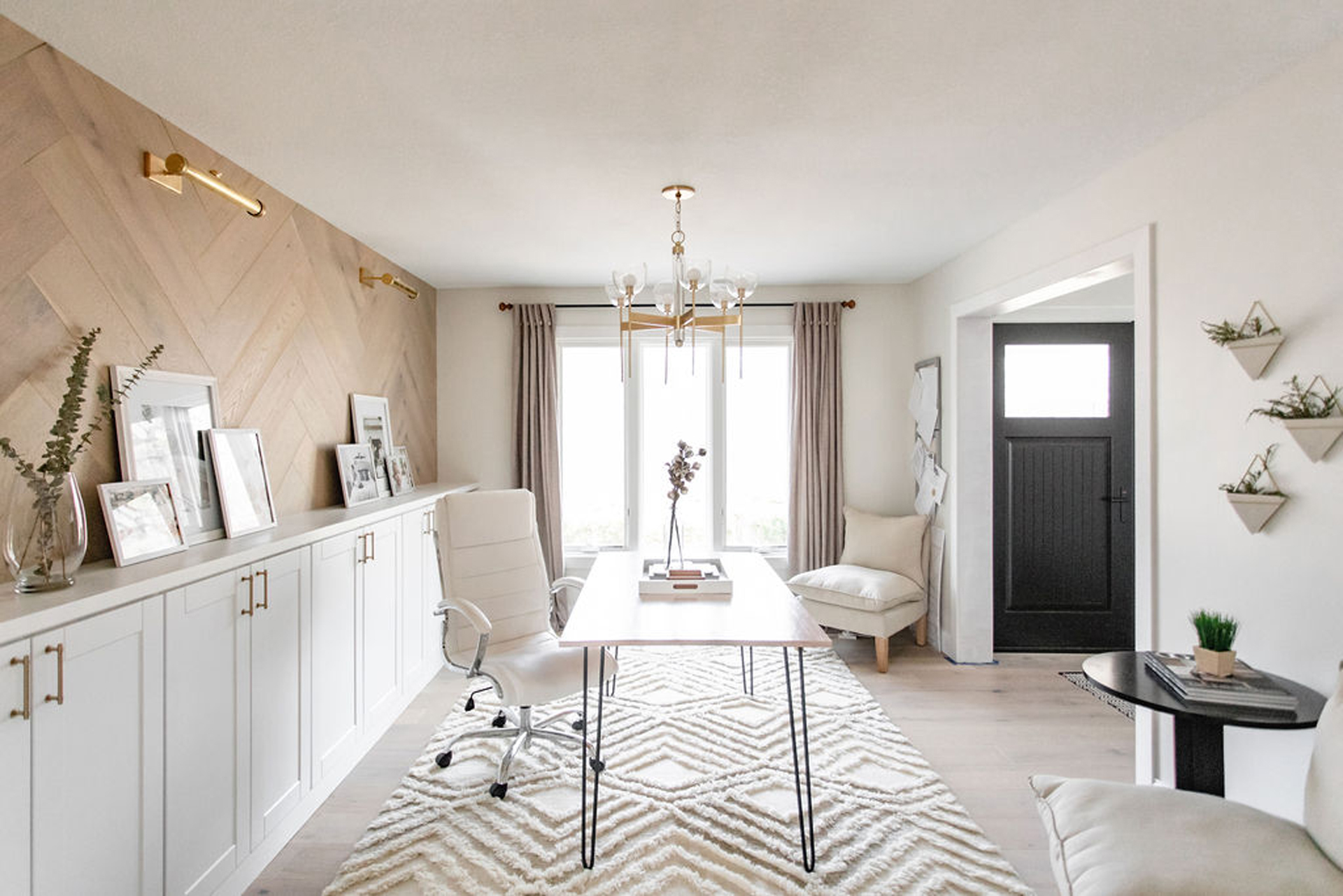
In other cases, it becomes a home office. Especially with more people working remotely, having a dedicated workspace, even if it’s not fully enclosed, can make a huge difference.
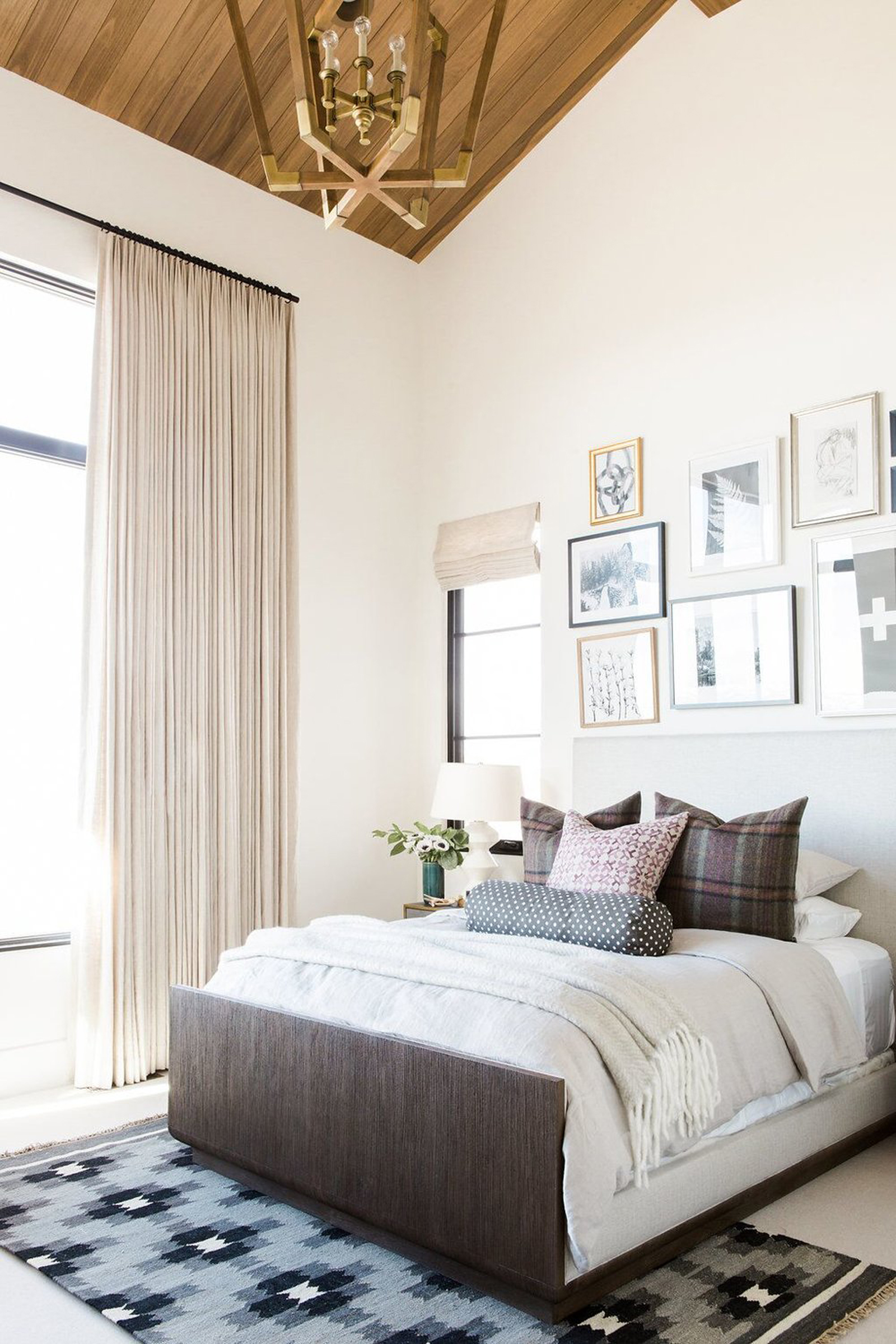
Another option is to convert it into a guest bedroom. For some, this adds flexibility for hosting overnight guests. For others, especially in multi-generational homes, it can provide a more accessible sleeping space on the main floor.
The dining room isn’t disappearing, it’s simply being redefined. What matters most is not whether a space fits a traditional label, but whether it supports how you actually live. In some homes, a formal dining room still makes perfect sense. In others, it may feel like a missed opportunity.
The key is to look at your home honestly. If a room isn’t being used, it’s worth asking what it could become instead. Sometimes the best design decisions come from letting go of what a space is ‘supposed’ to be and allowing it to evolve into something more useful.
If you’re exploring different dining room ideas, think about flexibility first. A space that adapts to your needs will always feel more valuable than one that’s rarely used. You can also explore more of our interior design tips to see how other spaces are being reimagined in today’s homes. Or follow along on Instagram. more ideas like this and how we rethink spaces in real projects.

Leave a Reply
You must be logged in to post a comment.