If you’re planning to sell, or even if you’ve just moved into a new home, one of the most common questions we hear is simple. Where should we invest our money to get the best return? It’s a valid concern. A few strategic updates can make your home more appealing to buyers and increase its value. At the same time, focusing too much on resale can sometimes hold homeowners back from creating a space they actually enjoy. If you’re trying to balance both, understanding the right home renovations before selling can help you make smarter decisions.
What Do Buyers Actually Value?
To answer that question properly, we reached out to our friend Barbara De Angelis, a real estate sales representative, to share her perspective on what today’s buyers are really looking for. Her insights reflect not just market trends, but also how lifestyle changes, especially in recent years, have reshaped buyer expectations.

A Shift Toward Virtual Buying
The way homes are bought and sold has changed significantly. Today, much of the process happens virtually. From 360° tours and 3D walkthroughs to live video showings, buyers can explore a property in detail without ever stepping inside. While the process has become more digital, the fundamentals haven’t changed. Buyers still want value. And more importantly, they want efficiency.
Why ‘Move-In Ready’ Matters More Than Ever
One of the biggest factors influencing a buyer’s decision is time. Most people don’t have the time, energy, or budget to take on major renovations right after purchasing a home. Because of this, properties that feel complete and well put together tend to sell faster and for higher prices. This is where thoughtful home renovations before selling make a difference. A home that feels finished, clean, and cohesive allows buyers to imagine themselves living there right away, without the stress of additional work.
Where to Focus Your Investment
Not every renovation offers the same return. Some spaces consistently stand out as high-impact areas when preparing a home for sale.
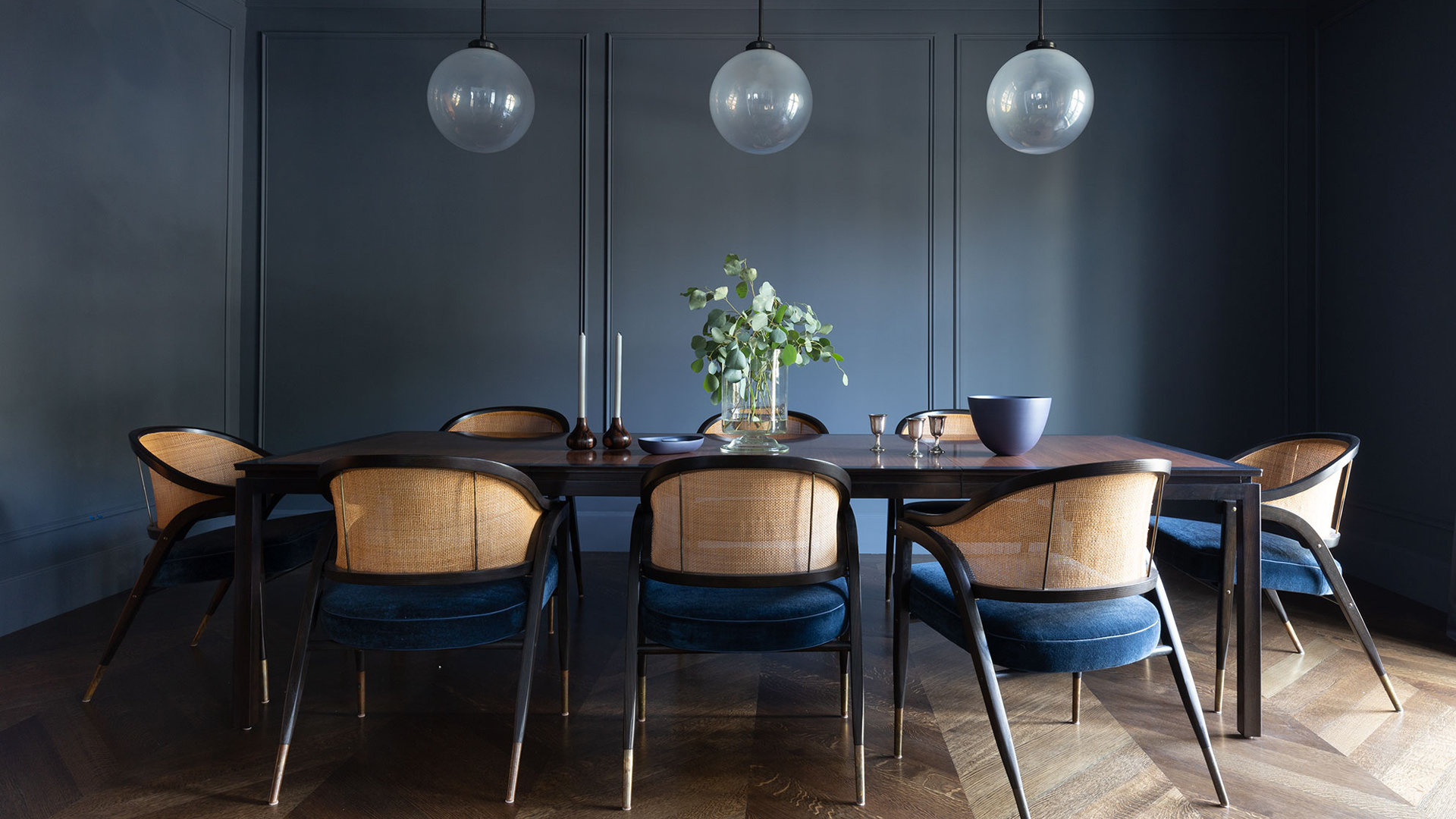
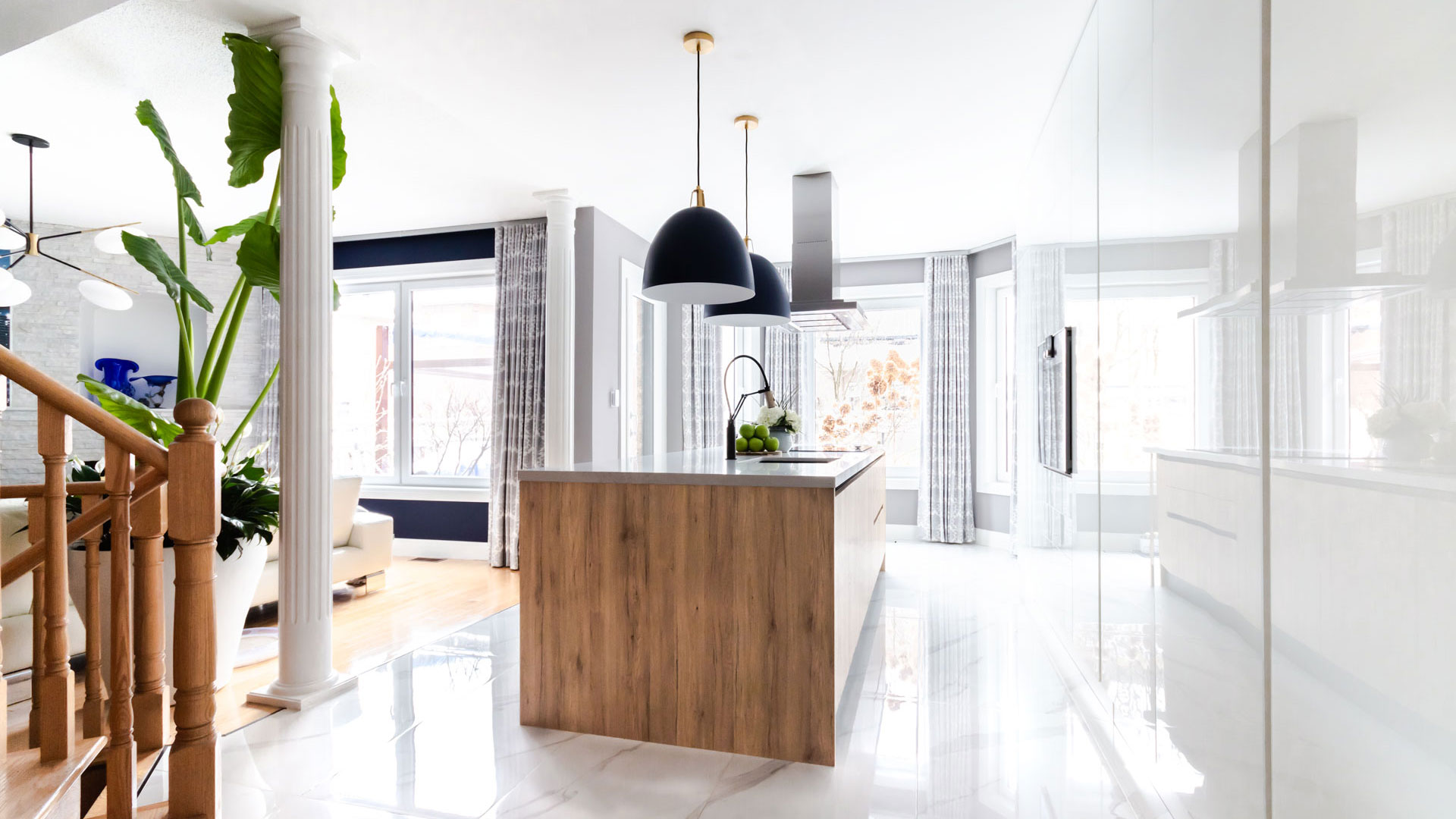
Kitchens and dining areas remain at the top of the list. Open or semi-open layouts are highly desirable, especially when paired with clean finishes, integrated appliances, and durable materials like natural stone countertops.
Bathrooms are equally important. Simple updates, neutral palettes, and modern fixtures can significantly improve how the space is perceived.
Storage has also become a major priority. From built-in cabinetry to walk-in pantries and organized garage spaces, buyers are looking for homes that support everyday functionality.
There’s also been a growing emphasis on multi-purpose spaces. Rooms that can function as home offices, laundry areas, or flexible workspaces are now seen as essential rather than optional.
Energy efficiency plays a role as well. Features like energy-efficient windows and appliances are not only practical, but also attractive to buyers who are thinking long-term.
And finally, outdoor spaces are more valuable than ever. Well-designed patios, exterior lighting, and functional backyard areas can make a strong impression and extend the living space beyond the interior.
Know Your Market
While these trends are consistent, it’s important to consider your specific area. Over-improving can be just as problematic as under-improving. Investing in high-end finishes that don’t align with your neighbourhood may not deliver the return you expect. In many cases, a well-executed, more cost-effective solution can achieve a similar look without overspending. At the same time, doing nothing can be even more costly. Homes that feel outdated or unfinished tend to stay on the market longer, which can lead to price reductions and additional carrying costs over time.
What If You’re Not Renovating? If a full renovation isn’t possible, there are still ways to improve your home’s appeal. Decluttering, repainting in neutral tones, and ensuring everything is clean and well maintained can make a significant difference. Sometimes, the simplest updates have the biggest impact.
Final Thoughts
Selling your home is as much about perception as it is about value. Buyers aren’t just looking at square footage or finishes, they’re imagining how easily they can step into the space and make it their own. The goal isn’t to create something overly polished or trend-driven. Instead, it’s about removing friction. The fewer obstacles a buyer sees, the more appealing your home becomes. If you’re planning home renovations before selling, focus on clarity, functionality, and simplicity. Those are the elements that consistently resonate, regardless of changing trends.
And if you’re not planning to sell anytime soon, don’t lose sight of what matters most. Your home should still feel like yours.
If you’d like to see how these strategies come to life in real projects, you can follow along on Instagram.


Leave a Reply
You must be logged in to post a comment.