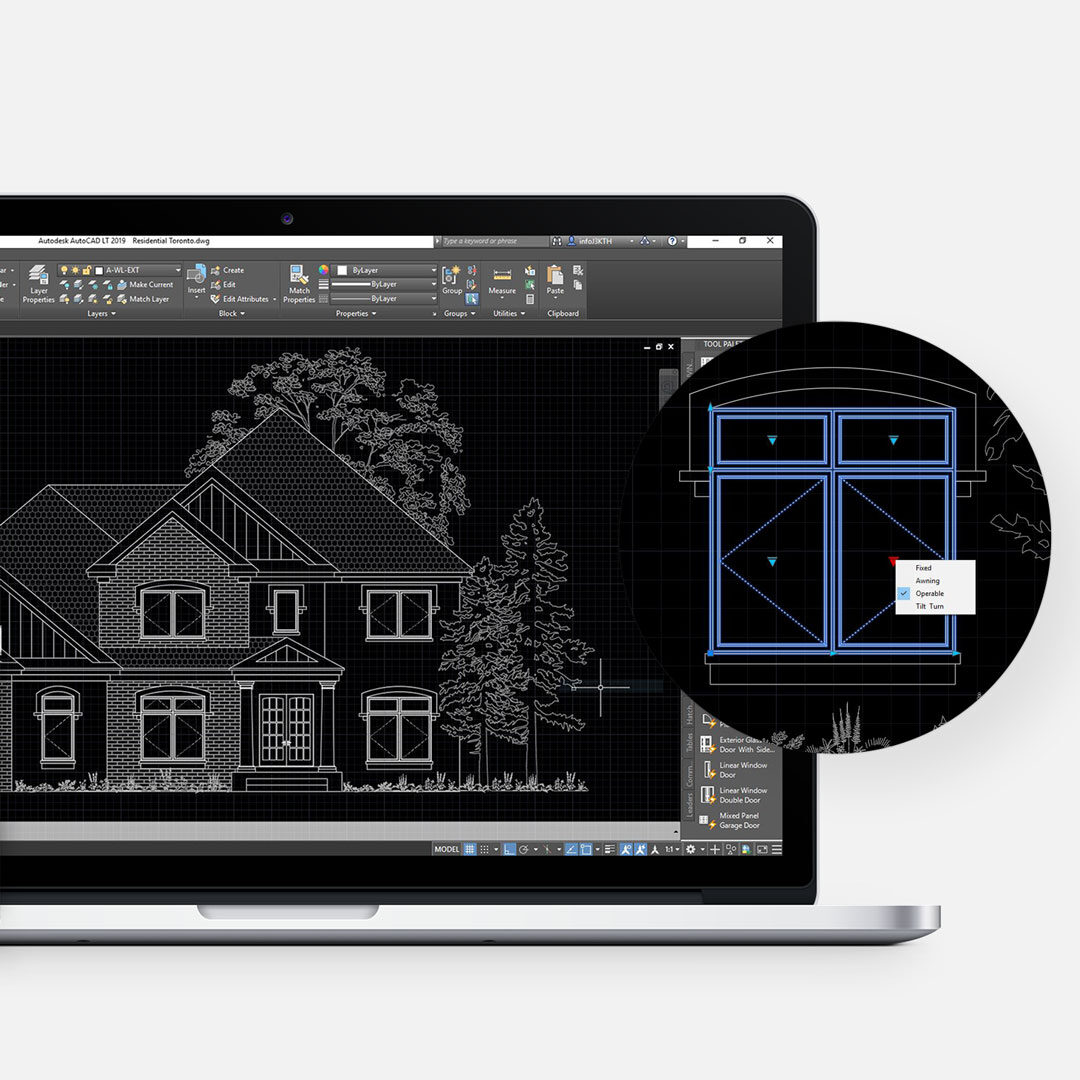
Laundry rooms come in all shapes and sizes. Sometimes it’s a full room, other times just a closet tucked into a hallway. For years, it was treated as a purely functional space, hidden away and used only when needed. That’s no longer the case. Today, the laundry room has evolved into a space that blends function with design. Much like the powder room, it’s now an area where homeowners feel more comfortable experimenting with bold ideas they might not use elsewhere in the home. If you’re planning a renovation, these kinds of laundry room renovation tips can help you decide where to save and where it’s worth investing.
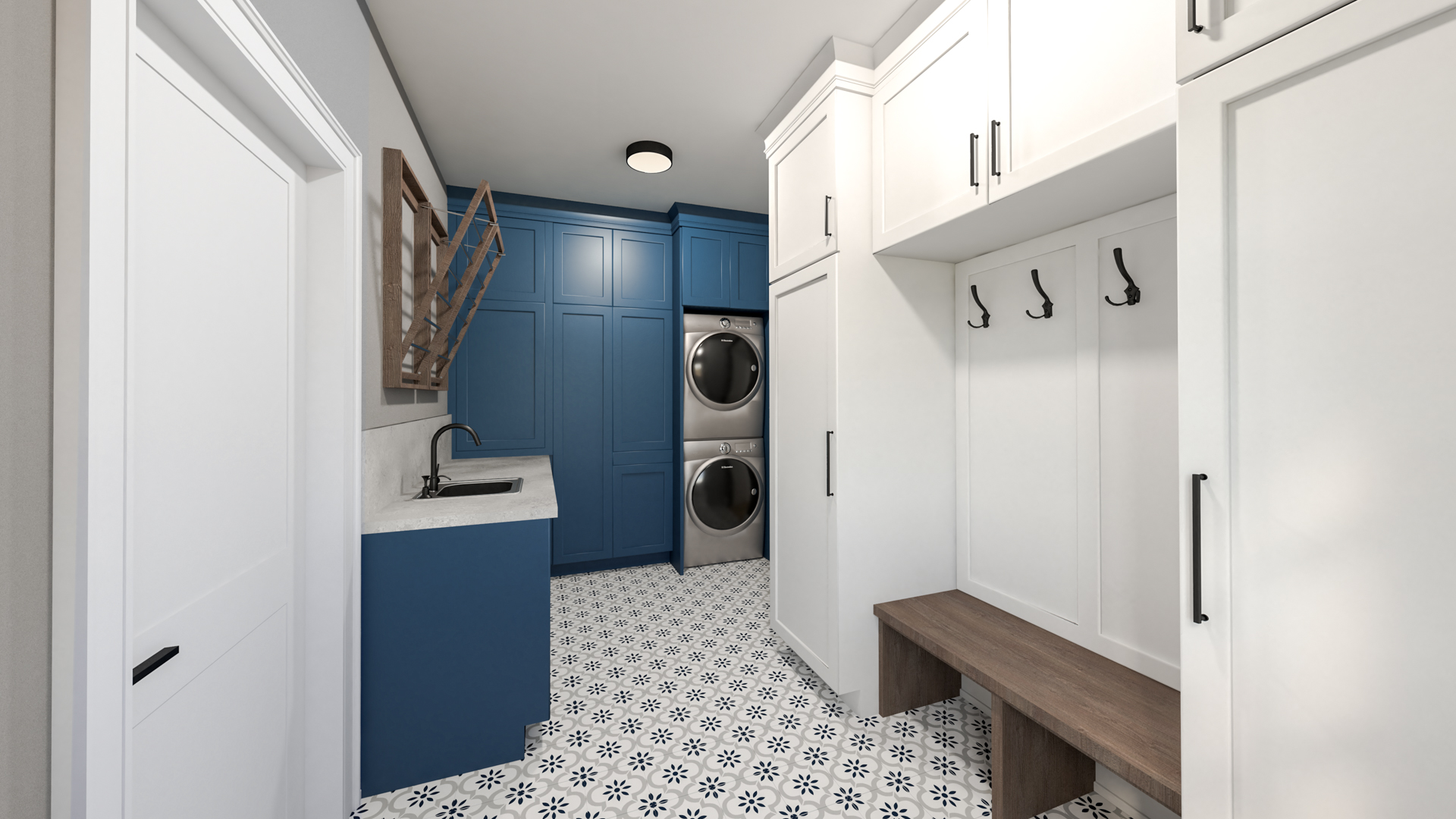
Here are our insights on how to approach both.
Where to Save in Your Laundry Renovation
Work with existing space
Function should always come first in a laundry room. Think about how you actually use the space. Sorting, drying, folding, and ironing all play a role, so the layout should support those tasks. Whenever possible, try to work with your existing plumbing and vent locations. Moving these elements can quickly increase costs.
A good place to start is by looking at your current dryer vent and plumbing setup. If you can reconfigure the space without relocating them, you’ll save significantly. Keep in mind that dryer vents must lead outside and typically have a maximum length of 35 feet, which becomes shorter if there are bends in the duct. In general, the shorter and straighter the vent, the better the performance.
Electricity and energy use
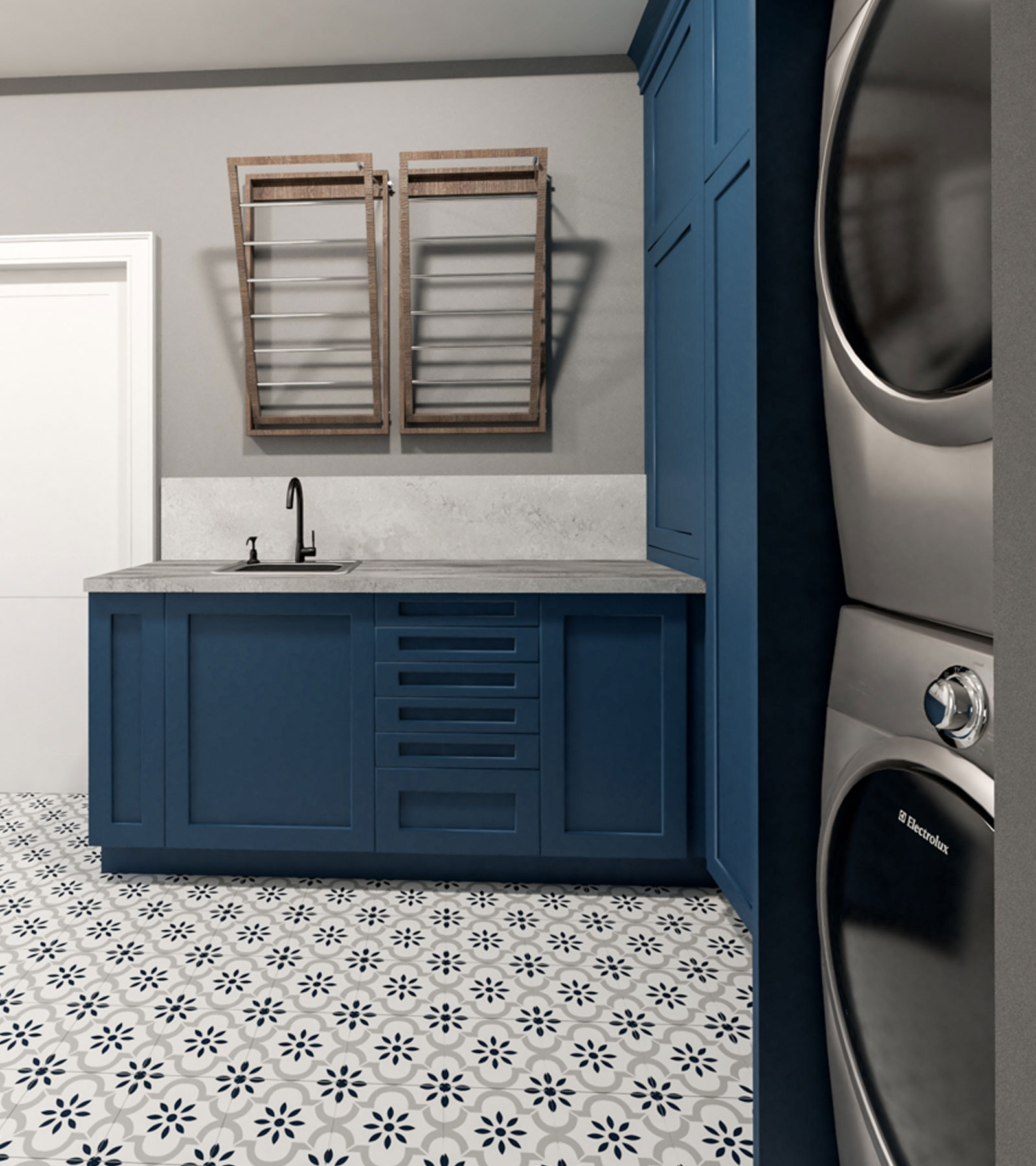
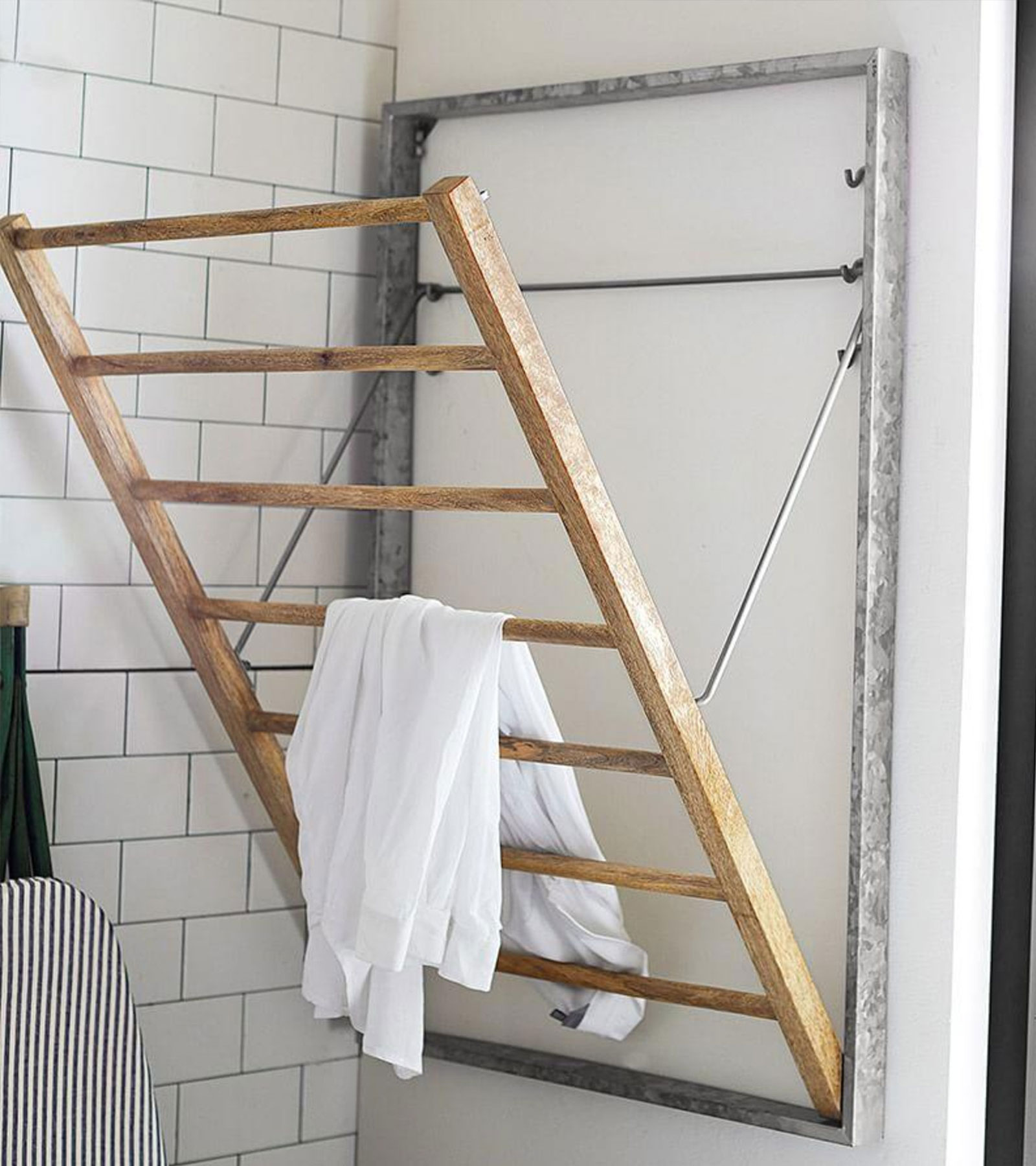
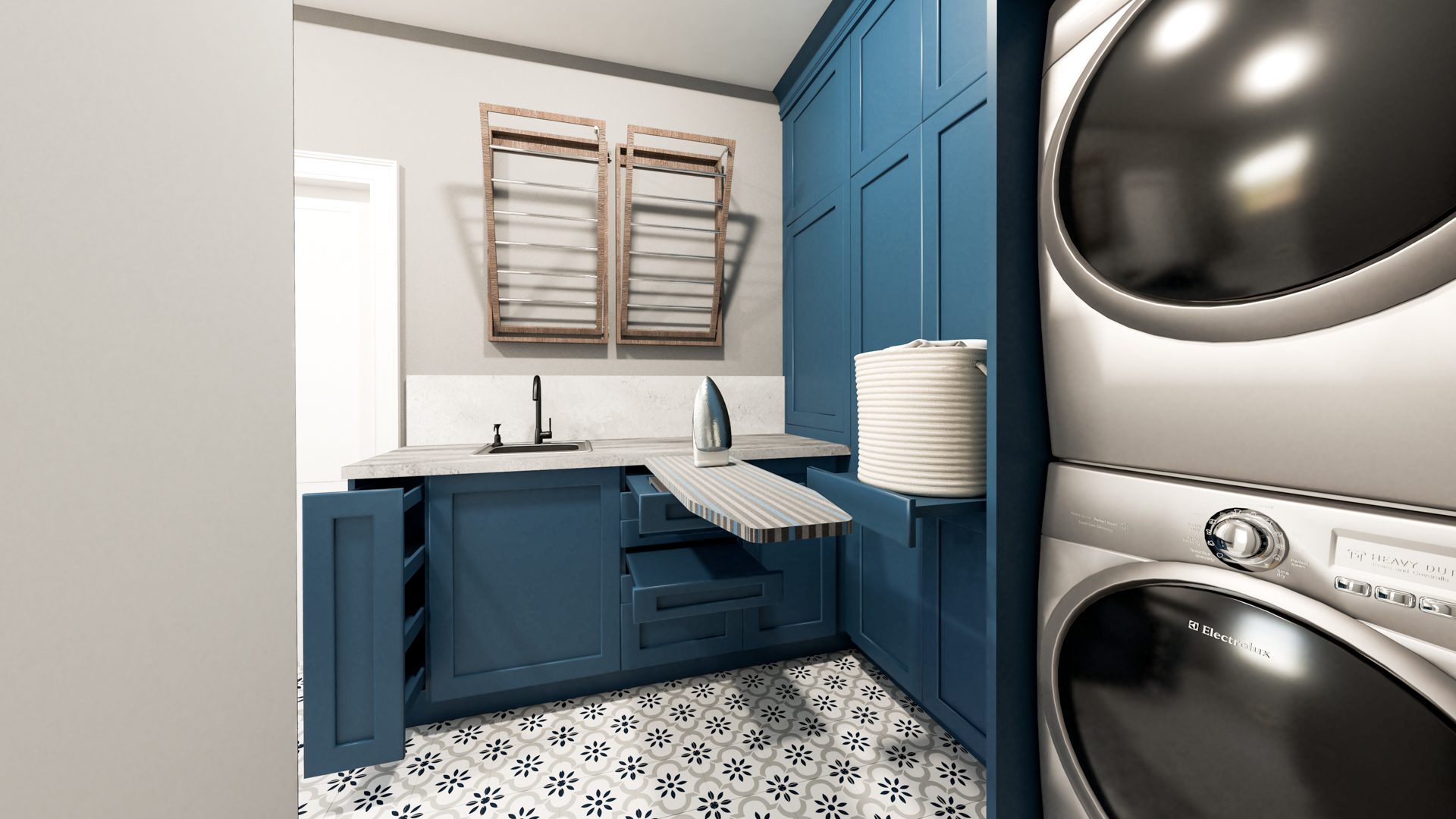
Washer and dryer units consume a considerable amount of energy. While we’ll talk more about appliances later, there are also simple ways to reduce long-term costs. Adding drying racks, for example, allows you to air dry certain items, which can save energy over time. That said, air drying indoors increases moisture levels. Because of this, proper ventilation and airflow are essential. An open window can make a big difference in preventing mould and keeping the space fresh.
Cabinetry
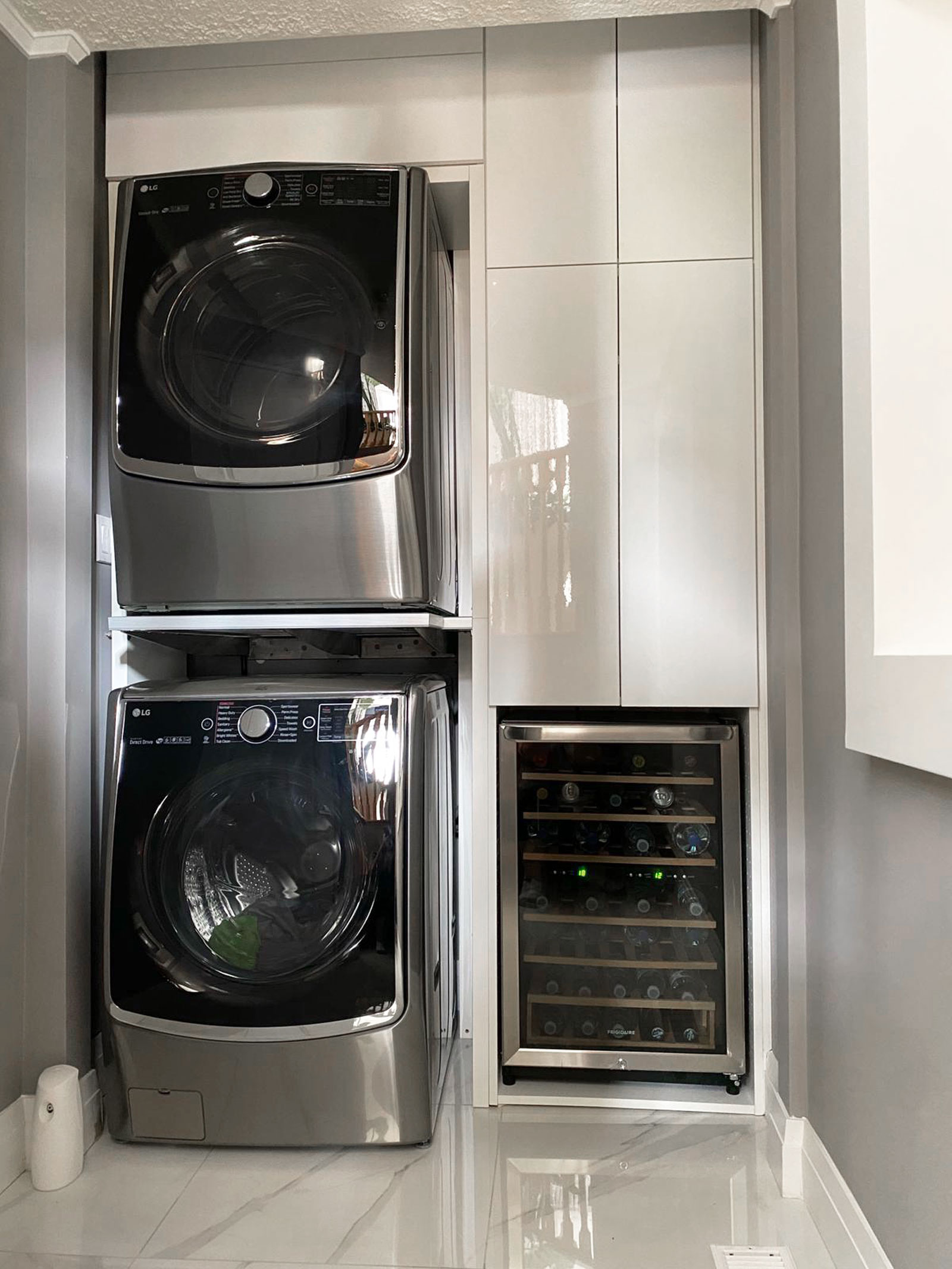
Storage plays a major role in how functional a laundry room feels. However, that doesn’t mean you need to invest in fully custom cabinetry. In our Vellore Village home, the laundry area was simply a closet located between floors. By using Ikea Sektion cabinets, we were able to maximize storage in a small footprint without the cost of custom millwork.
Plumbing Fixtures
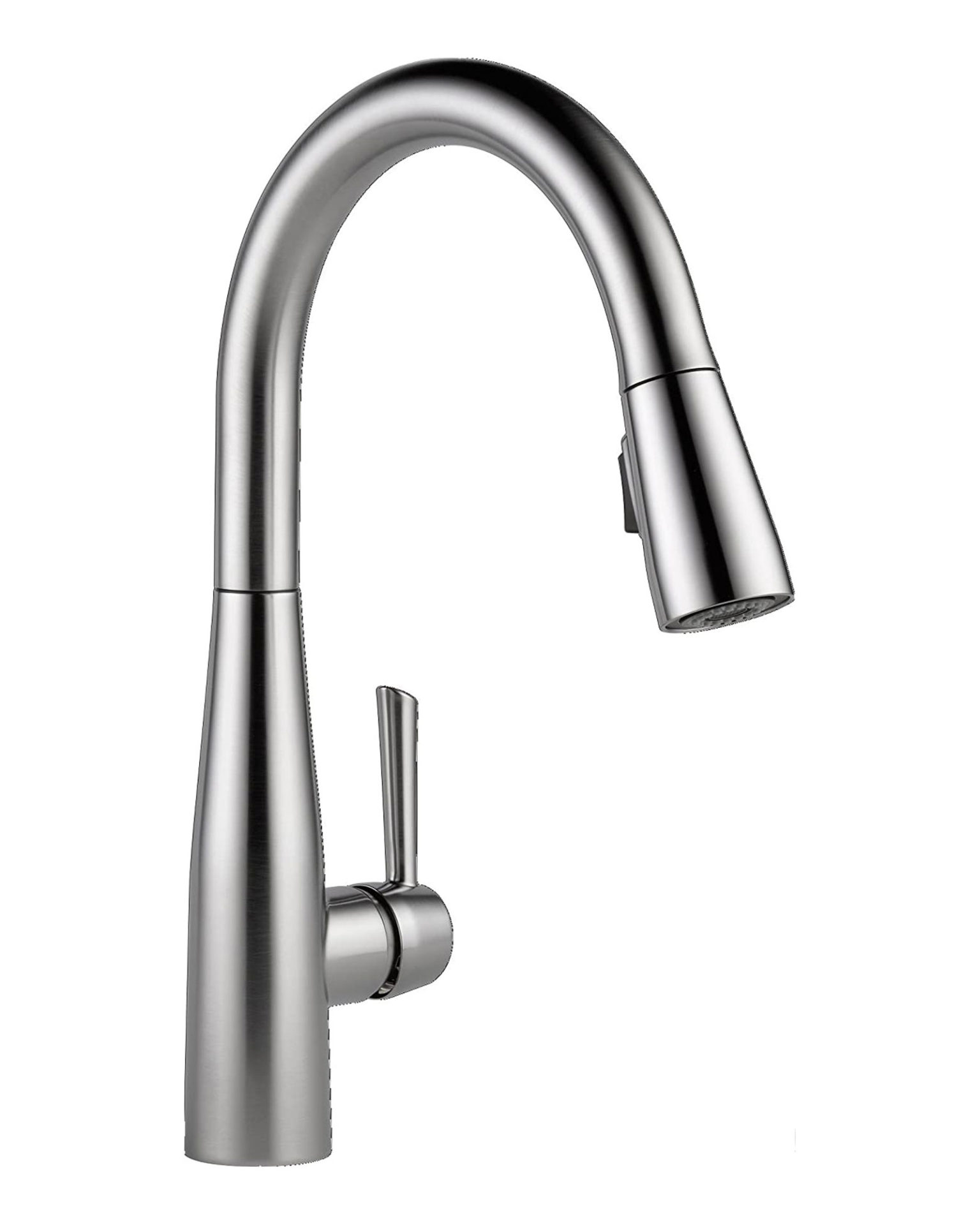
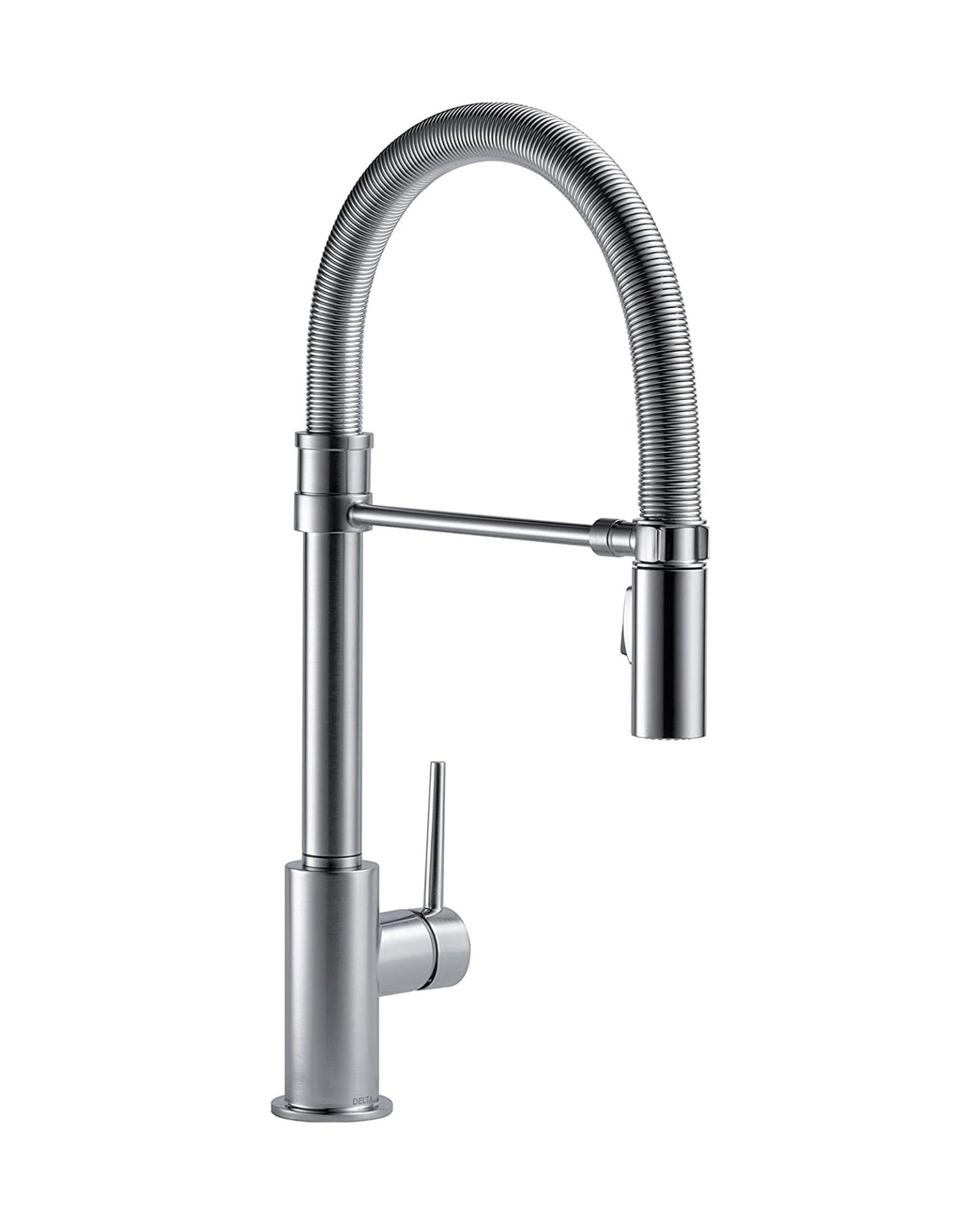
Adding a sink and faucet to a laundry room is always a great idea if space allows. It makes tasks like hand-washing garments or cleaning up after kids much easier. However, it’s not used as frequently as a kitchen sink, so this is an area where you can be more flexible with your budget. Choosing a reputable brand at a more accessible price point is a smart approach. For faucets, we recommend a high-arc design with a pull-down sprayer. It gives you flexibility and functionality without needing to invest in higher-end options unless that’s a priority for you.
Lighting
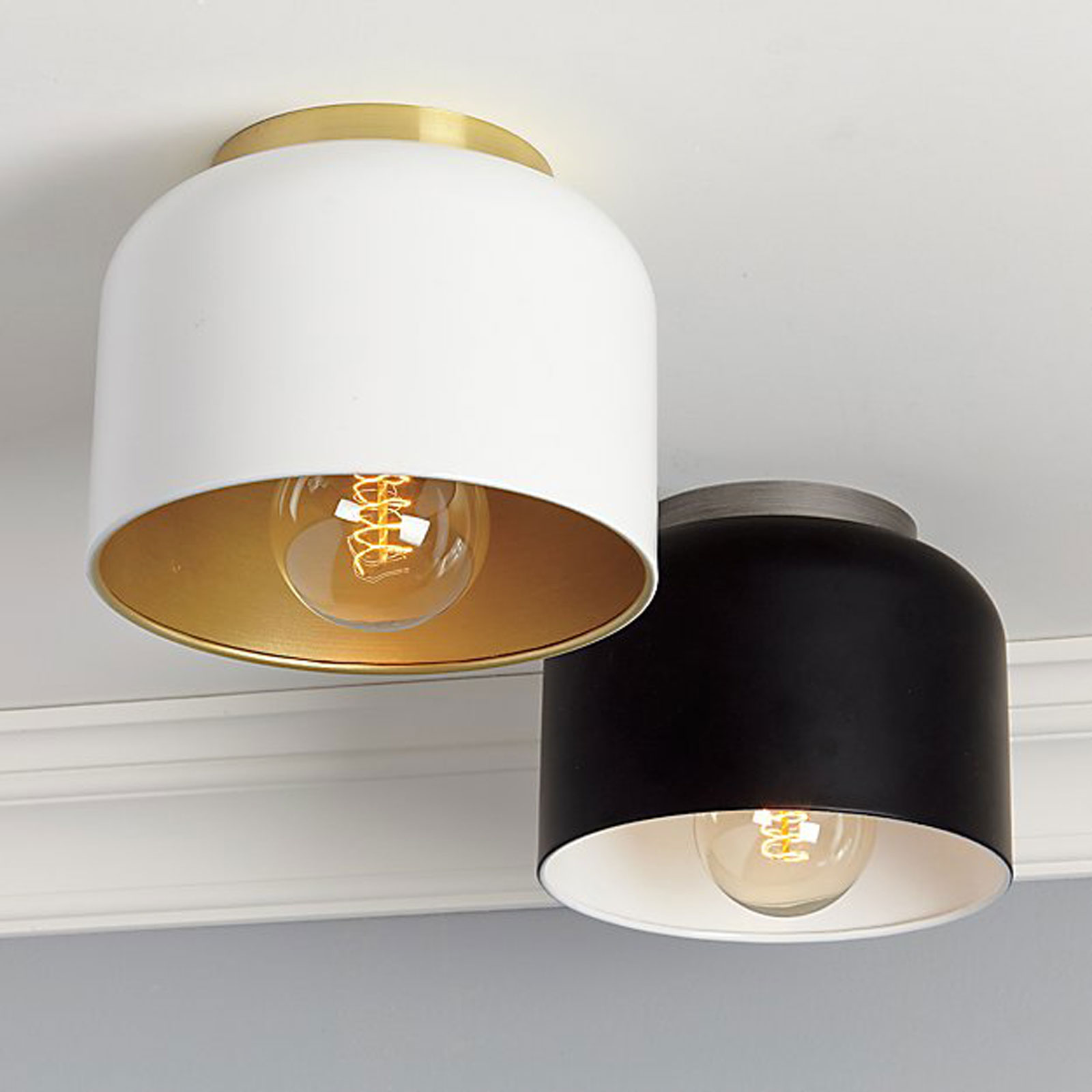
Lighting is another area where you can save without compromising the look. There is such a wide range of options available that you can find fixtures at different price points that still look great. In the Milton Bungalow, we used a simple black flush mount fixture that provided clean, efficient lighting without overpowering the space.
Where to Splurge in Your Laundry Renovation
Washer & Dryer
Appliances are the heart of the laundry room. Before purchasing, it’s important to consider how much laundry you do and what capacity you actually need. Dimensions matter as well, especially in smaller spaces. We often recommend selecting your washer and dryer before finalizing the design. These are the most important elements in the room, and you don’t want to limit your options because cabinetry was planned first.
Front-load machines are generally more efficient. They use less water, less energy, and less detergent, while also being easier on your back when loading and unloading. Features like steam technology can improve cleaning performance, reduce wrinkles, and help remove allergens. For households with children or sensitivities, this can be a worthwhile investment.
Energy efficiency is another key factor. Modern machines can detect load size and adjust water usage accordingly, helping reduce both water and energy consumption over time.
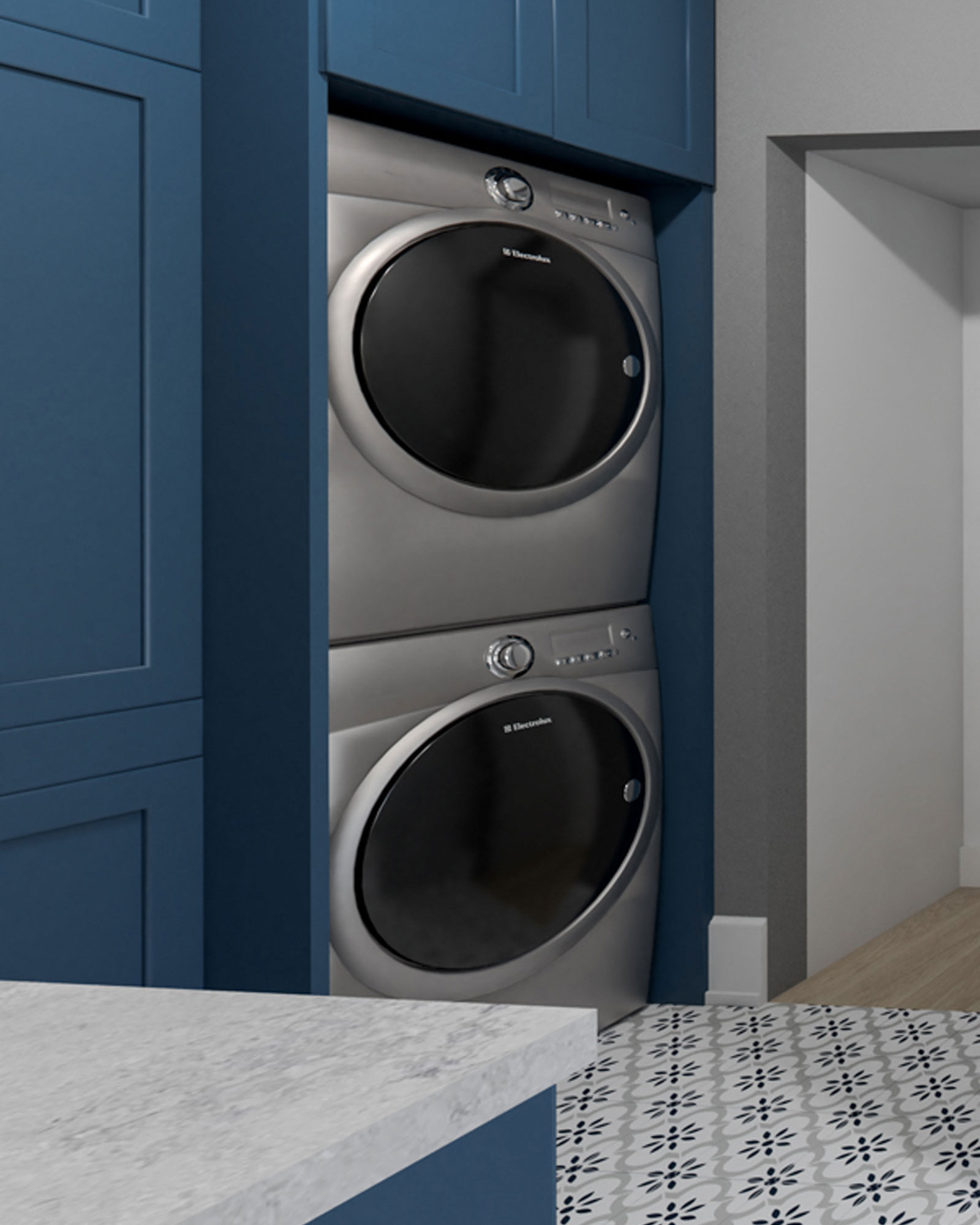
Here are a few tips on what to look for when buying a washing machine:
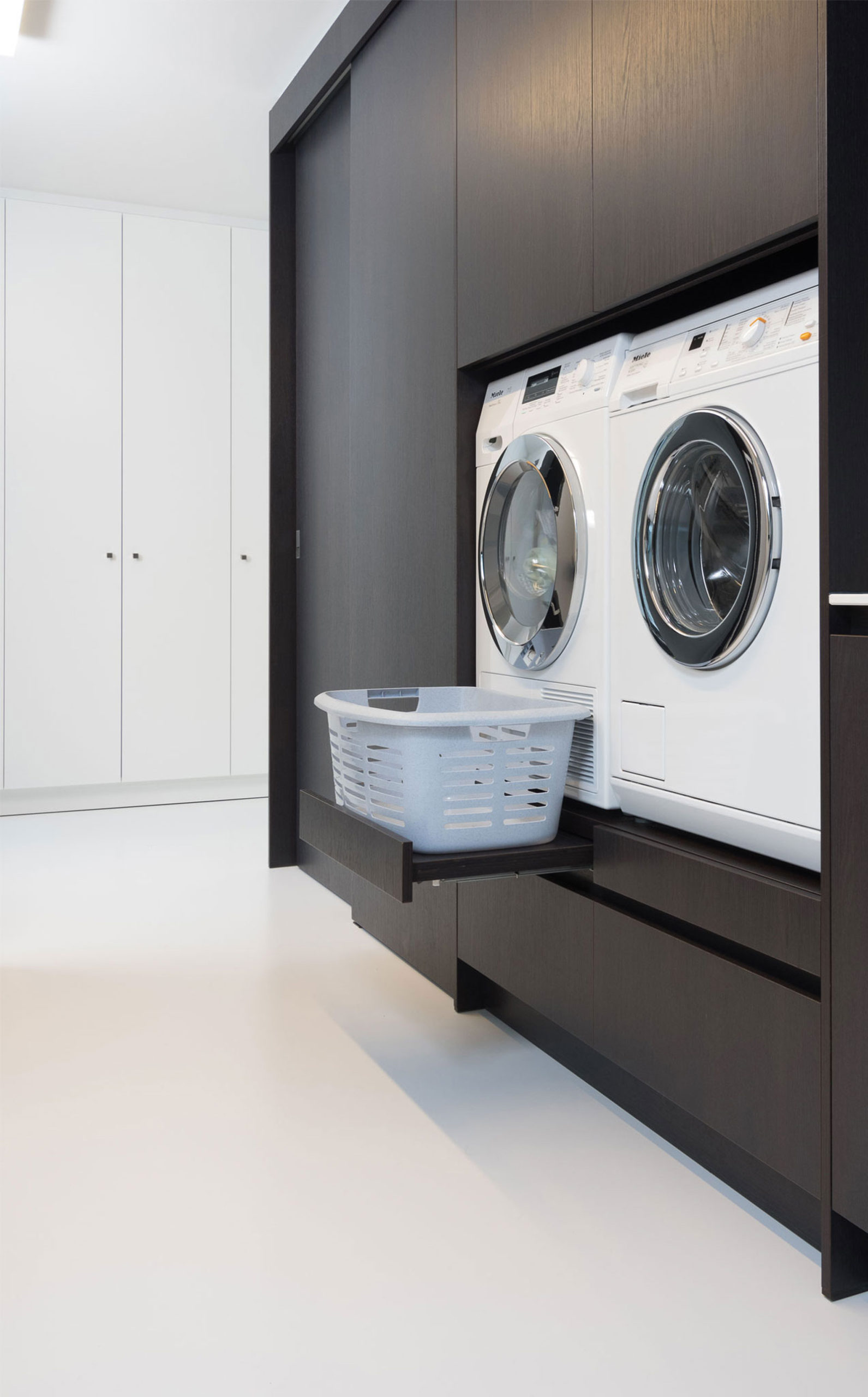
Washer pedestals
Whether your machines are stacked or placed side by side, pedestals can make a noticeable difference. They add storage and raise the machines, making loading and unloading much more comfortable.
Improving function and flow
Beyond appliances, it’s worth investing in elements that improve how the space works. Adding counter space, for example, makes folding and organizing much easier. Quartz is a great option here, as it’s durable, low maintenance, and available in a wide range of finishes. Because laundry room counters are often smaller, you can also maximize value by using the same slab for both the countertop and backsplash, avoiding the need for additional materials.
Storage interiors are another area where small upgrades can go a long way. Even if you save on cabinetry, investing in internal organizers, pull-outs, or built-in features can significantly improve functionality. In the Milton Bungalow, we added dedicated shelving for detergents and a foldable ironing board, which helped maximize every inch of the space.
Smart home features
While not essential, smart features can make the space more enjoyable to use. Something as simple as adding a speaker can completely change the experience. Laundry might still be a chore, but at least it becomes a more enjoyable one.
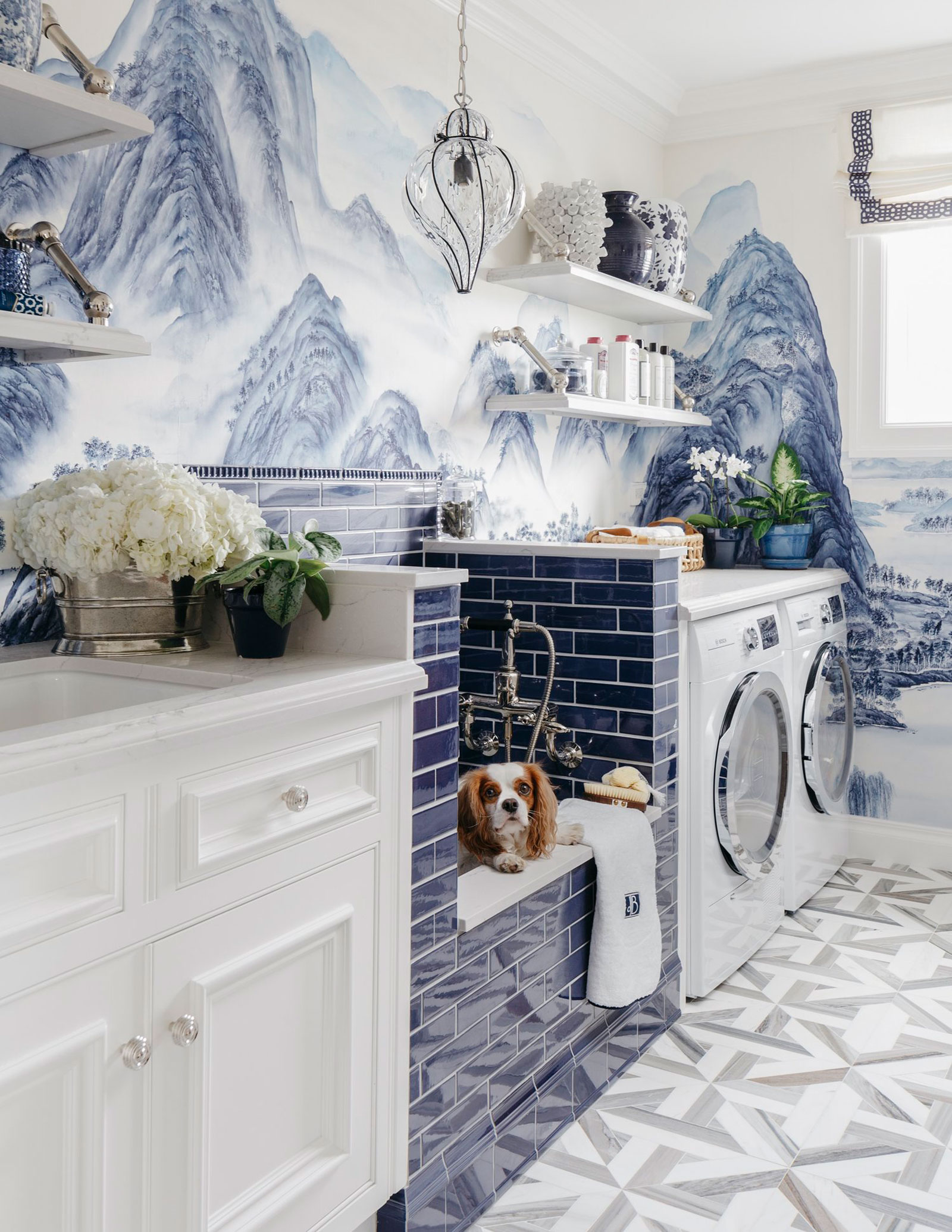
Pet shower or washing station
For households with pets, a dedicated washing station can be incredibly useful. It keeps dirt and mud contained and prevents it from being tracked through the house. At the same time, it can double as a place to clean shoes or rinse off after being outside.
Final Thoughts
Designing a laundry room is often about working within constraints. The space is usually smaller, more technical, and heavily driven by function. But that’s exactly what makes it interesting. When every inch matters, small decisions start to have a bigger impact. The way you arrange storage, introduce materials, or improve flow can completely change how the space feels to use every day.
If you’re exploring laundry room renovation tips, think beyond just the layout. Focus on how the space supports your routine, and where a few thoughtful upgrades can make a lasting difference. You can also explore more of our interior design tips or dive into our project insights to see how these ideas are applied across different homes.
If you have already been through a renovation, we would also love to hear about your experiences. Leave us a comment below or join us on our Instagram.

Leave a Reply
You must be logged in to post a comment.