Let’s be honest, the ’90s weren’t wallpaper’s finest moment. For a lot of homeowners, that era left a lasting impression. Decorative borders above kitchen cabinets, divided walls, and let’s not even get into sponge painting. It’s no surprise that wallpaper still carries a bit of a reputation. That said, things have changed. Today, wallpaper is one of the most versatile and impactful tools designers use. It has evolved in both material and application, making it easier to use, easier to remove, and far more design-forward than it used to be. If you’ve been hesitant, understanding these wallpaper design ideas might completely shift your perspective.
Rethinking Wallpaper
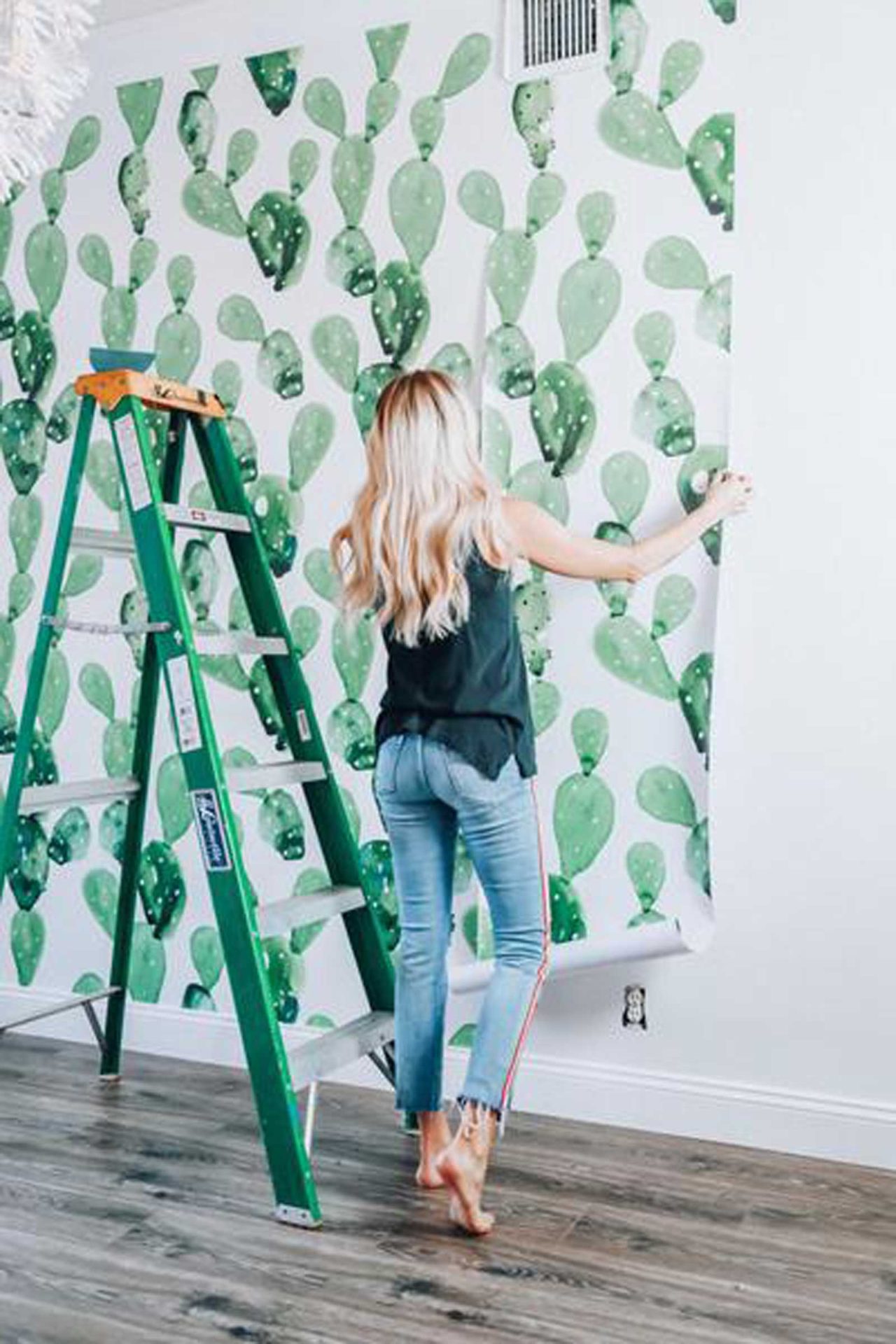
One of the biggest misconceptions is that wallpaper feels permanent. In reality, modern materials have made it much more flexible. Traditional glue-based wallpapers can be removed with water or simple tools, while peel-and-stick options offer an even easier solution. This means wallpaper is no longer a long-term commitment. If you like to refresh your space often, or even if you’re renting, there are now options that allow you to experiment without the stress.
Another common belief is that wallpaper feels outdated. In truth, it’s the opposite. Today’s designs range from minimal and contemporary to bold and artistic. With so many patterns, scales, and colour palettes available, wallpaper has become a way to express personality rather than follow a trend.
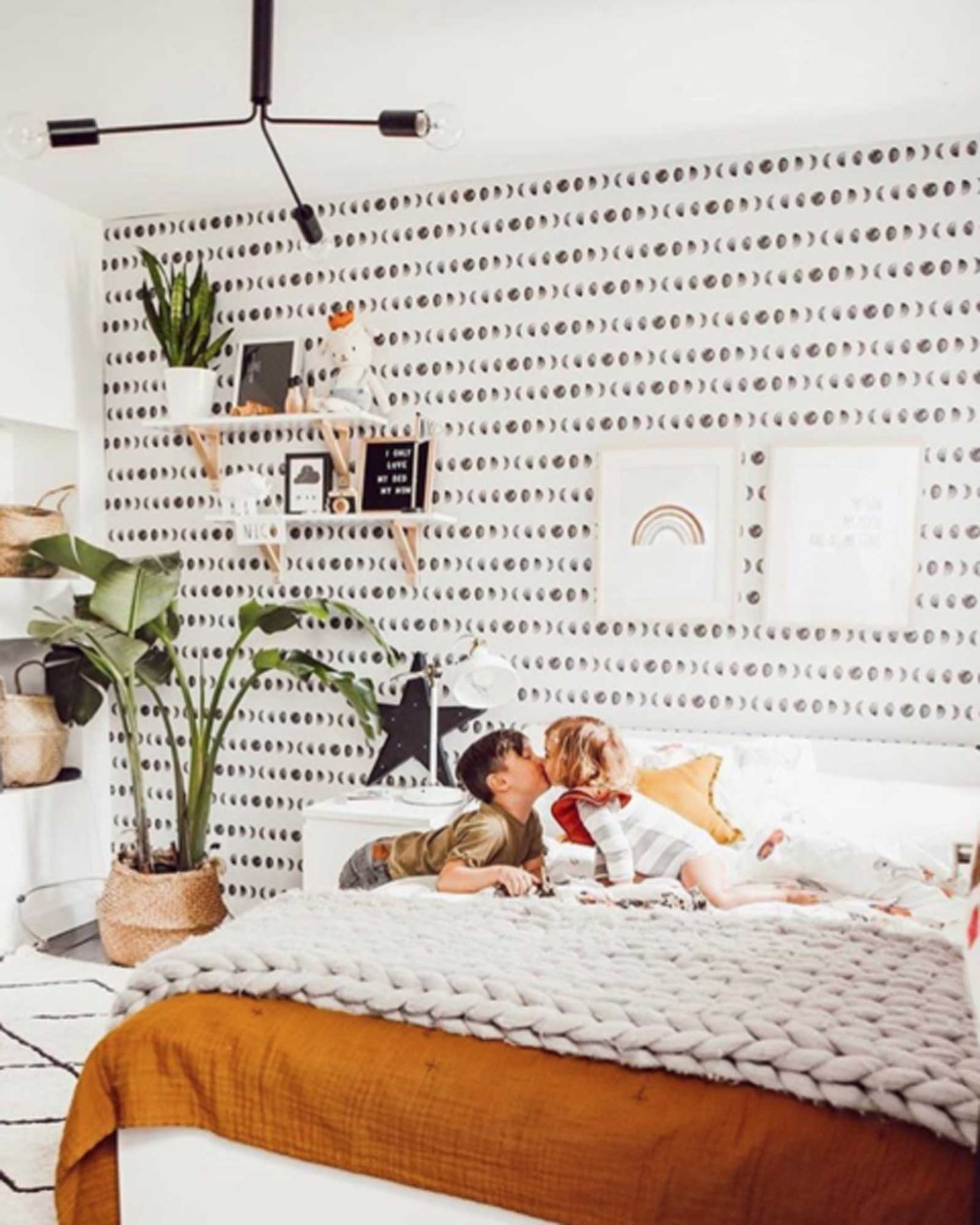
Where Wallpaper Works Today
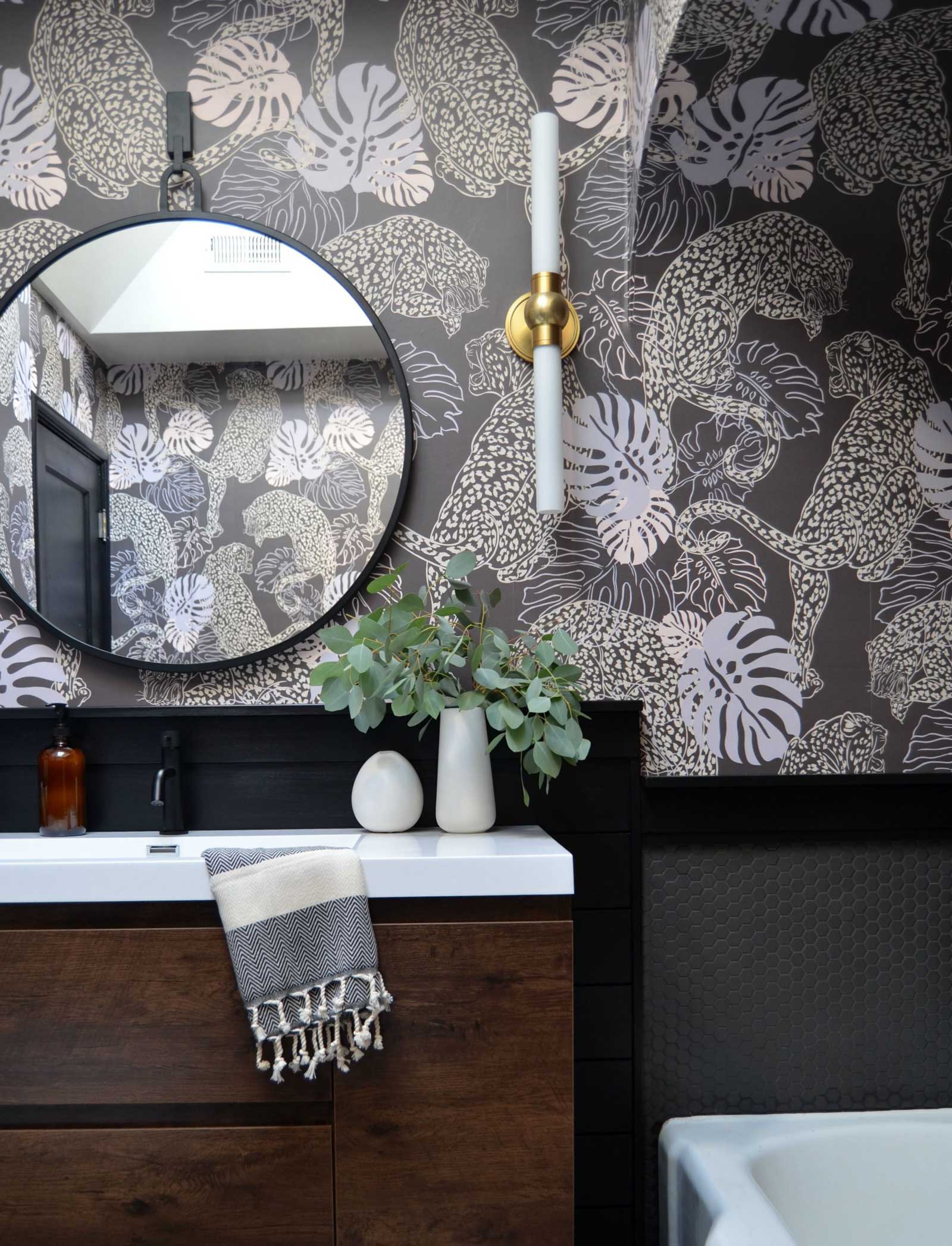
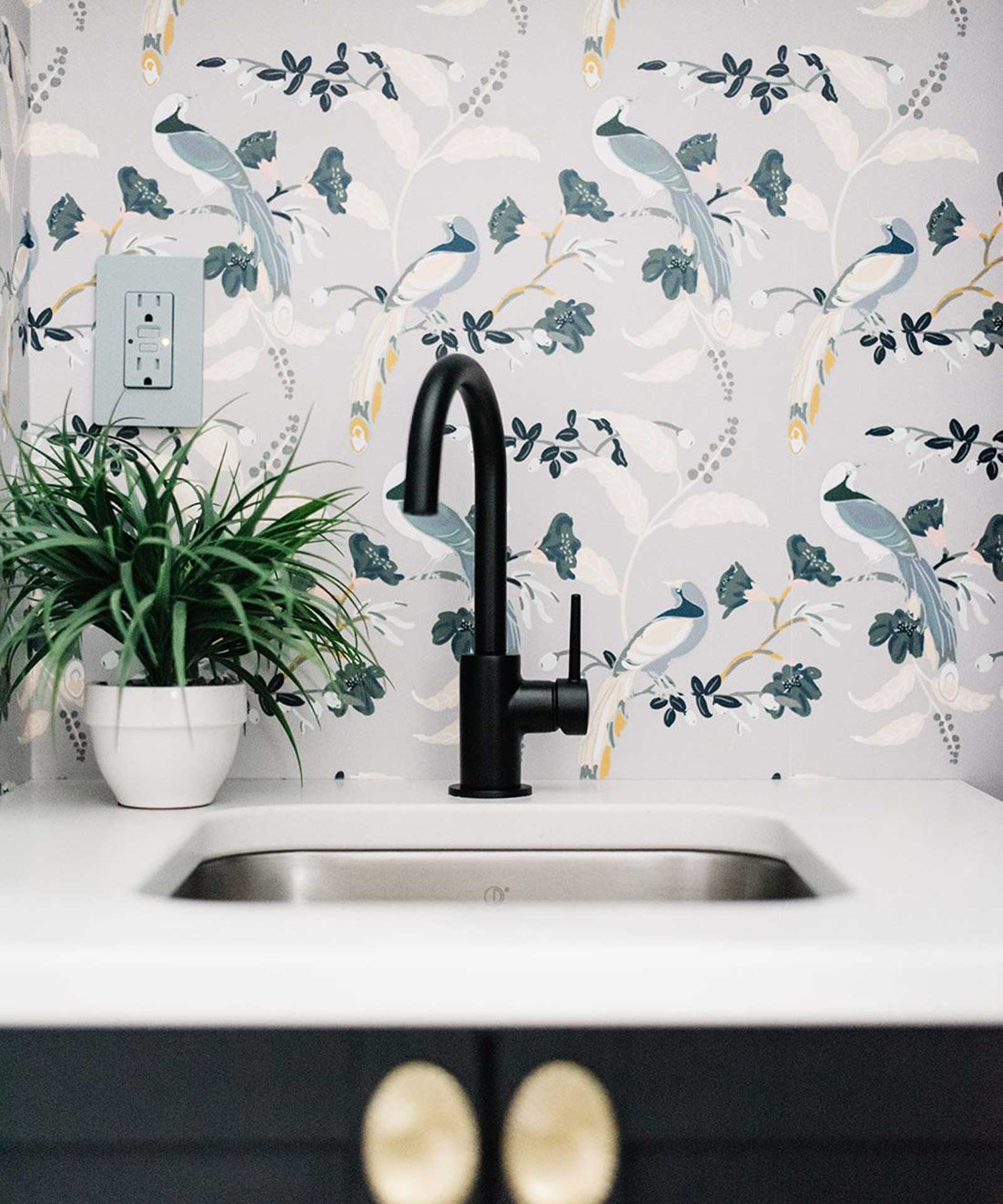
There’s also the idea that wallpaper doesn’t belong in kitchens or bathrooms. That used to be true, but not anymore. With proper ventilation and the right material, wallpaper can work beautifully in these spaces. Vinyl and washable options are especially practical, offering durability while still adding visual interest. At the same time, maintenance concerns have improved. Washable wallpapers make it easier to keep walls clean, which is especially helpful in homes with children or high-traffic areas.
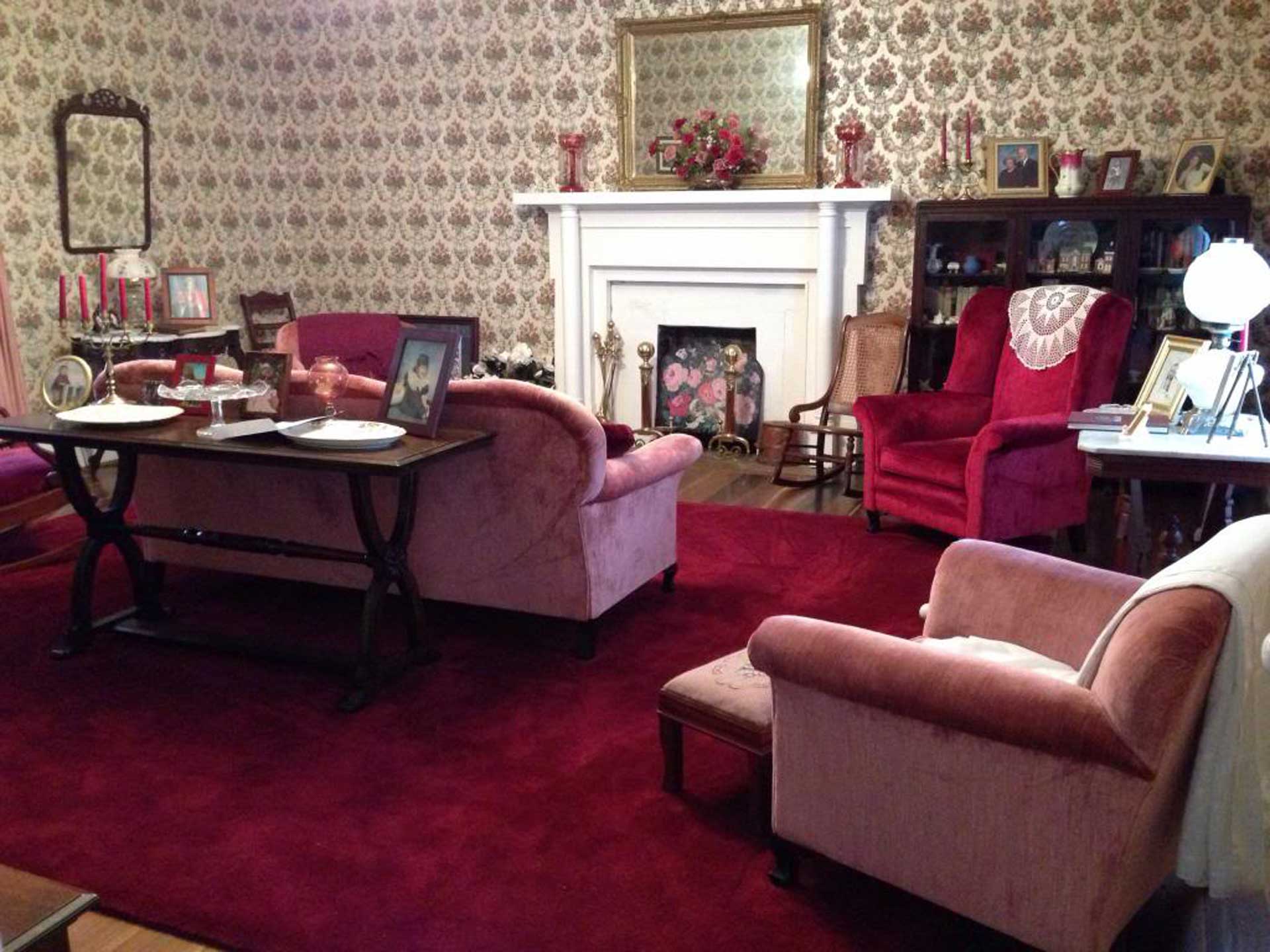
Cost is another factor that often comes up. While wallpaper can be more expensive than paint, it doesn’t have to cover every wall to make an impact. A single feature wall can completely transform a space, making it a more accessible option than many assume. There’s also a growing awareness around sustainability. While some materials are less environmentally friendly, many brands now offer eco-conscious options made from recycled or responsibly sourced materials. As with anything, it comes down to choosing the right product.
How Wallpaper Is Being Used Today
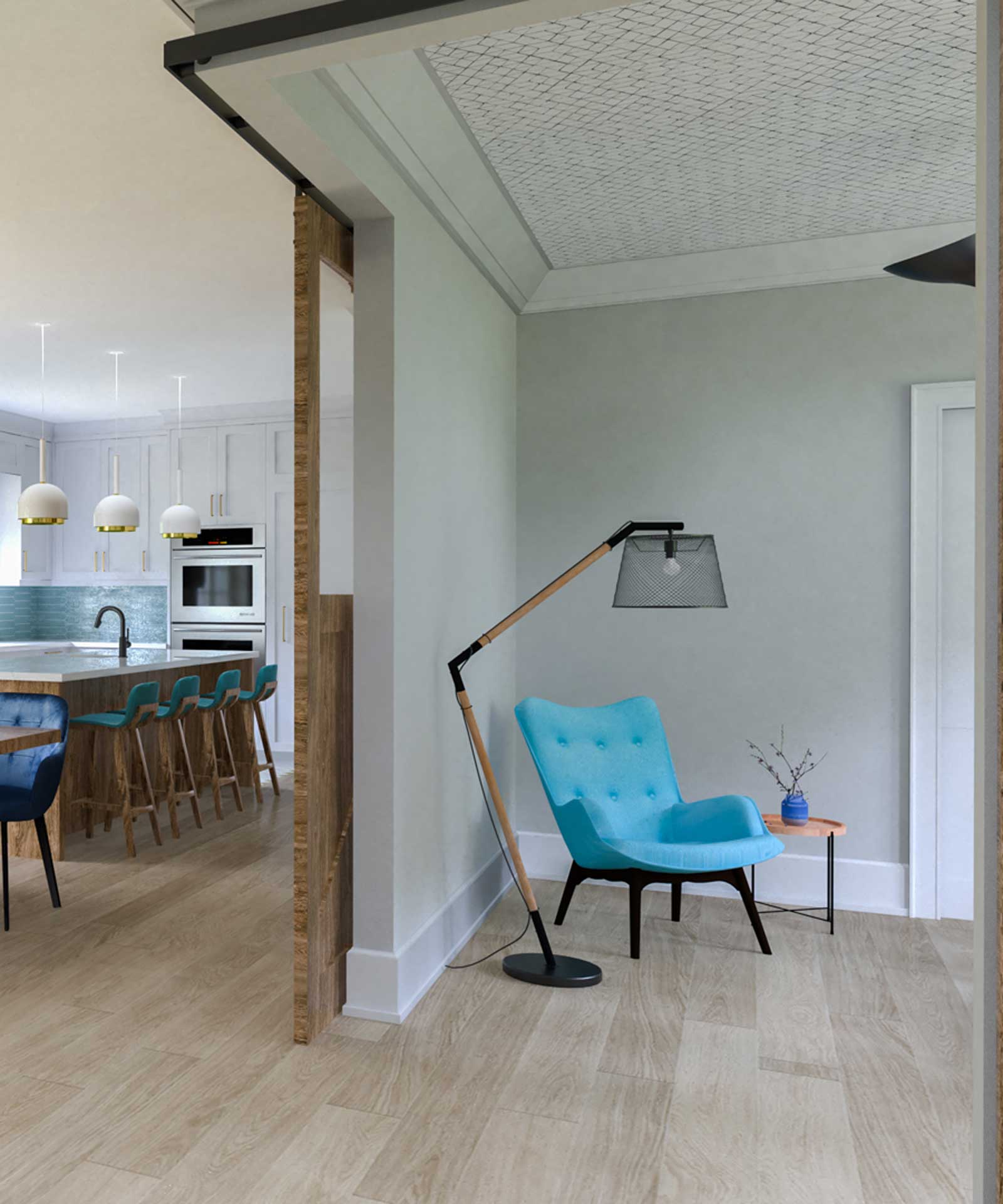
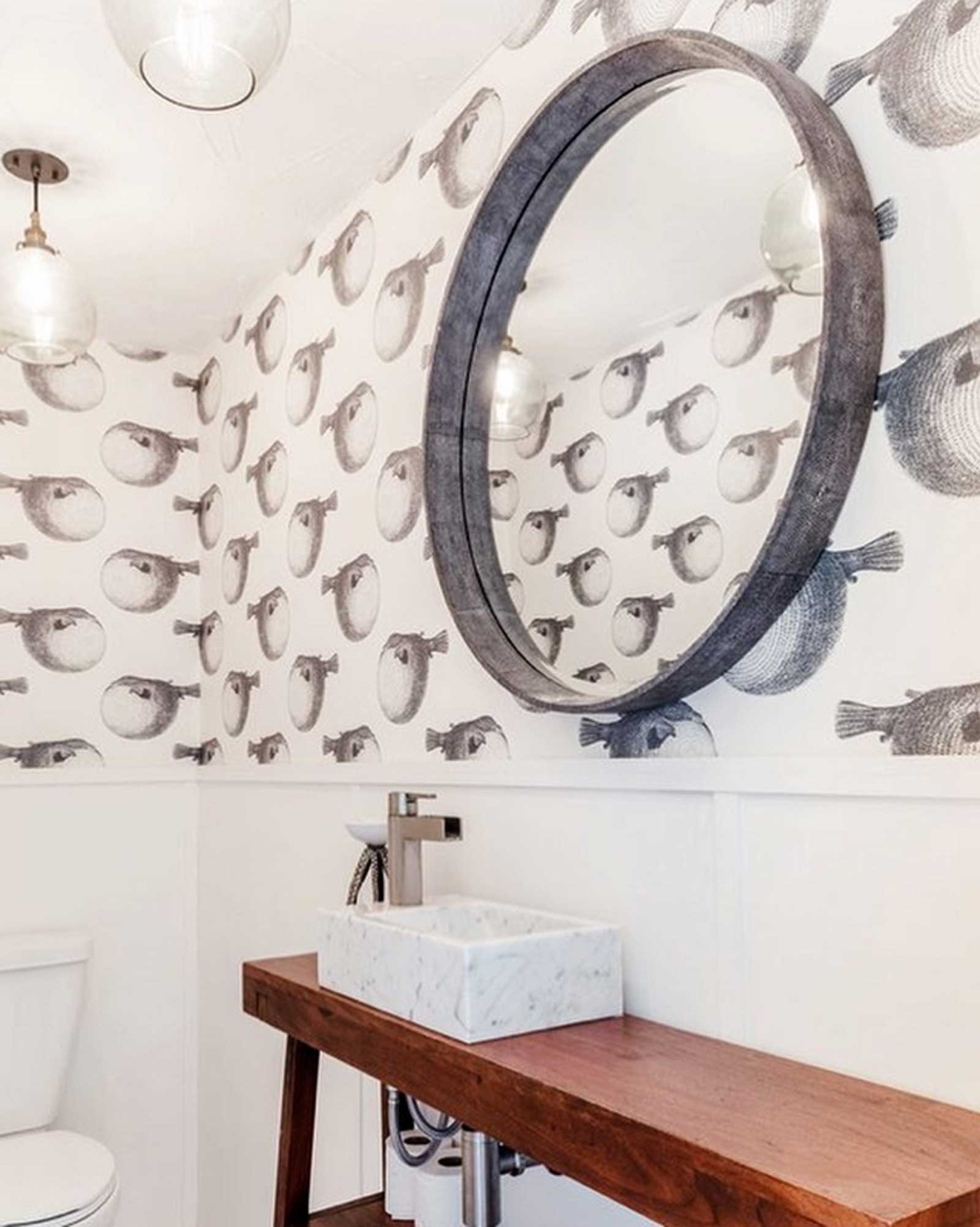
What’s really exciting is how wallpaper is being applied in new ways. Instead of covering entire rooms, designers are using it more strategically. Ceilings, for example, have become a popular place to introduce wallpaper. It’s a surface that’s often overlooked, yet it can completely change how a room feels. Similarly, smaller spaces like powder rooms are perfect for experimenting with bold patterns and colours.

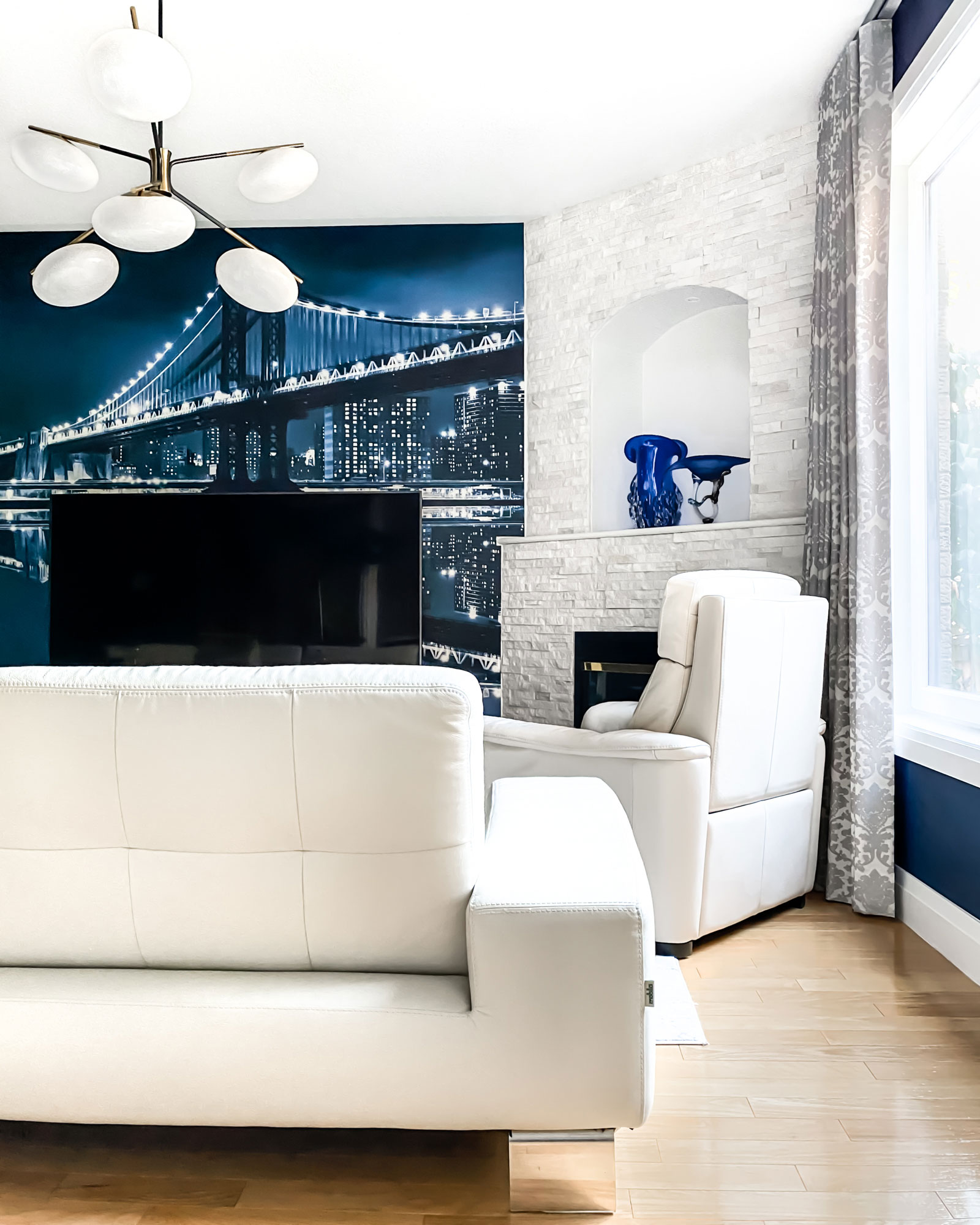
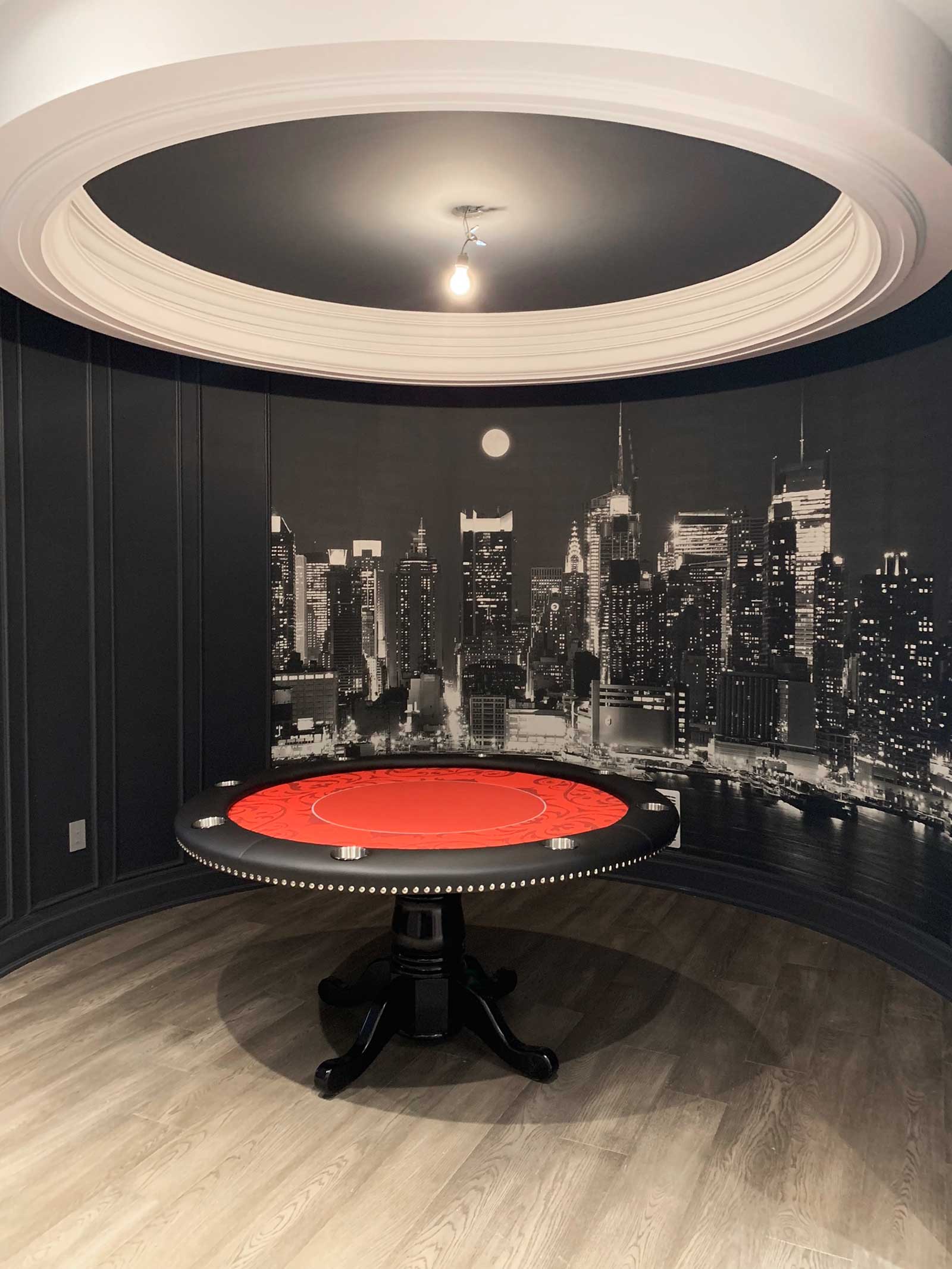
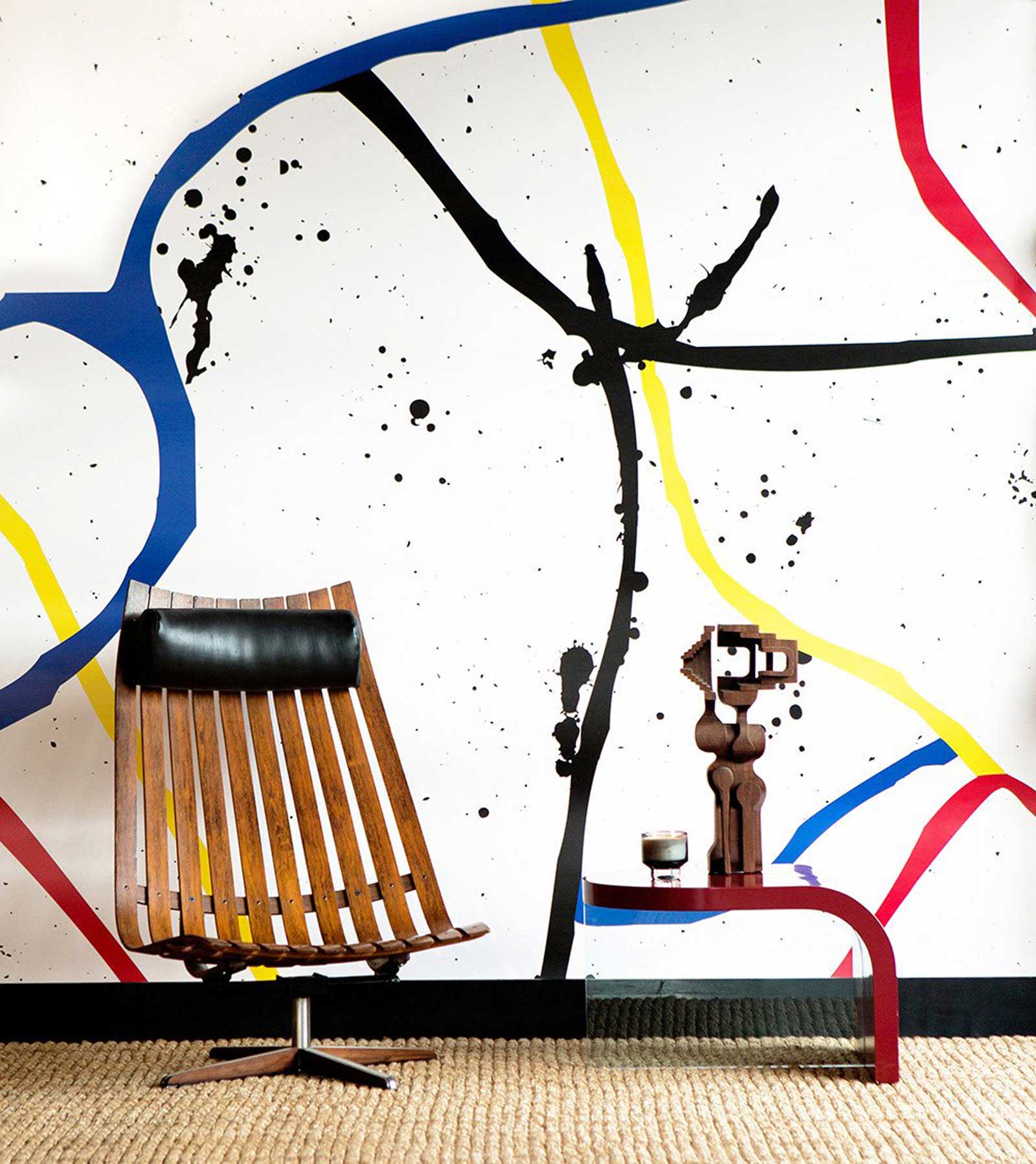
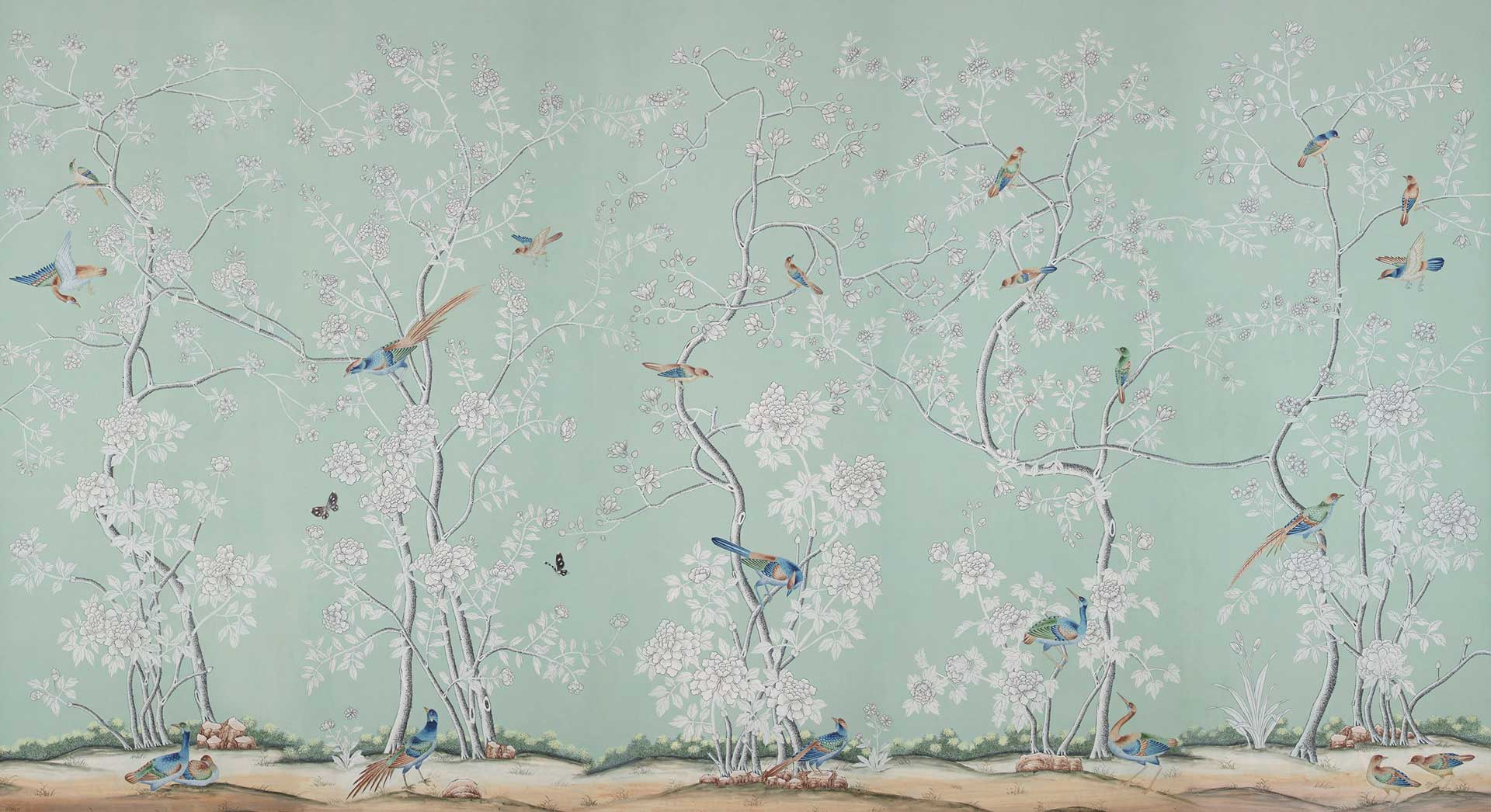
Murals are also becoming more common in residential spaces. Rather than repeating patterns, murals create a statement. They can feel more like artwork, telling a story and adding depth to a room in a way that traditional wallpaper doesn’t.
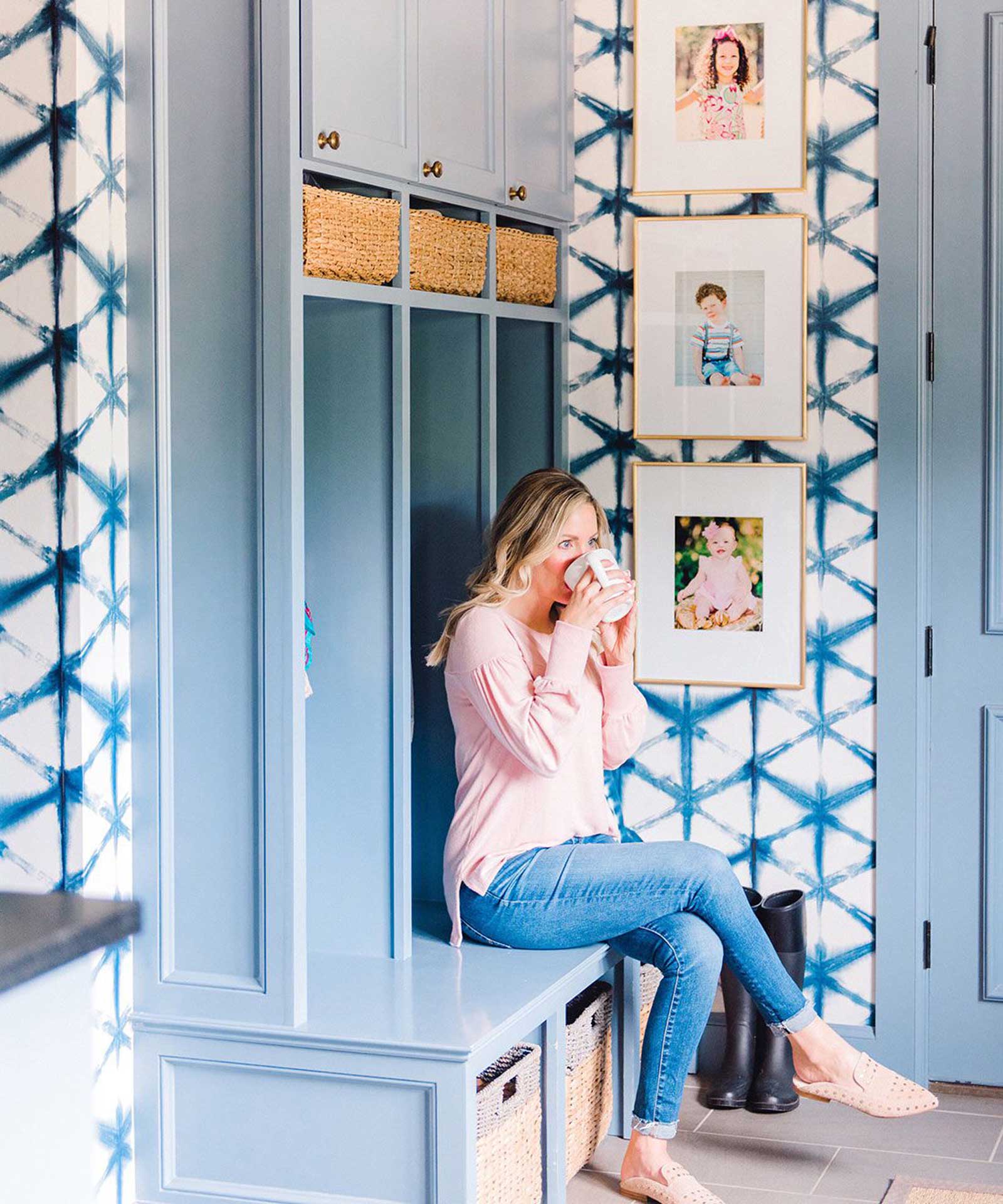
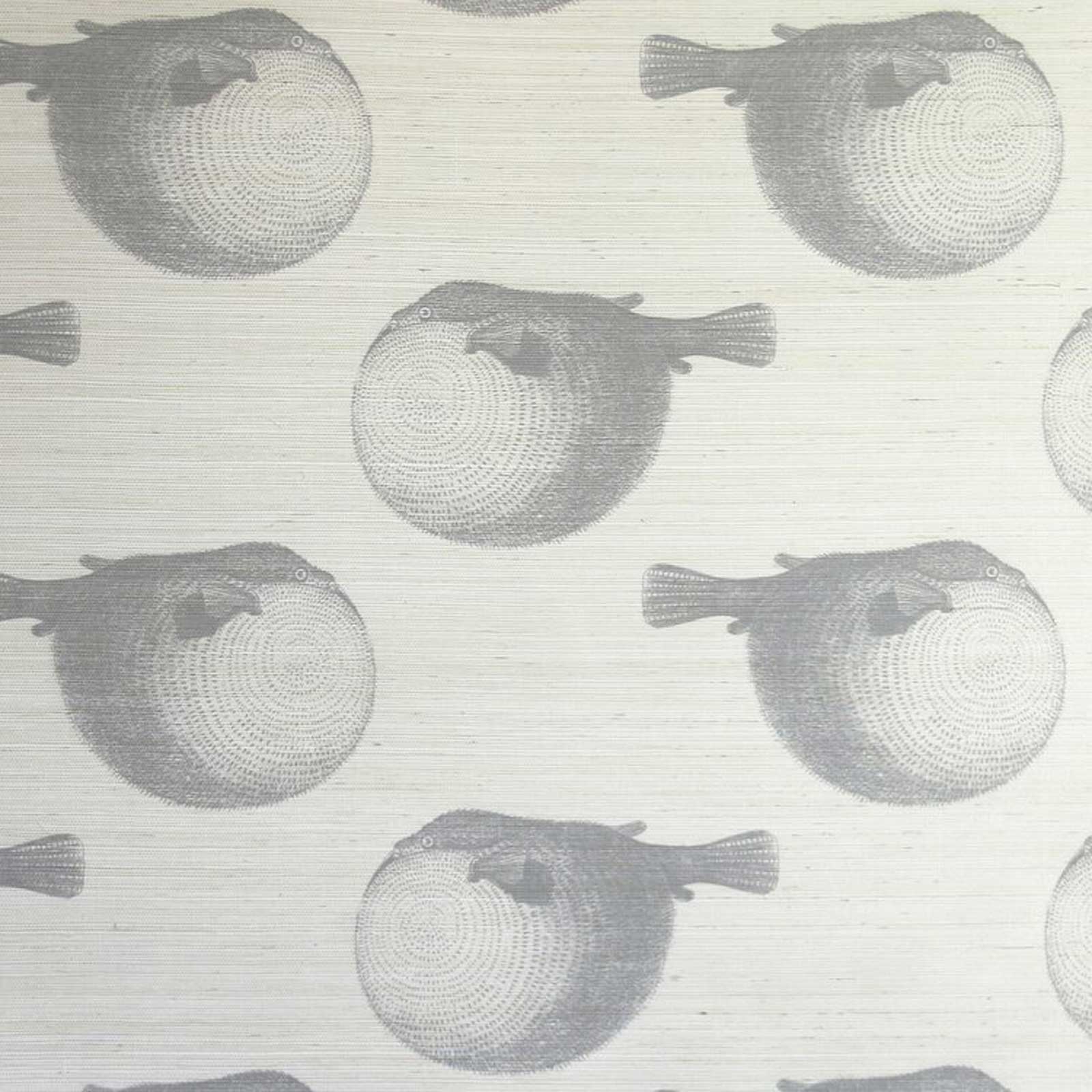
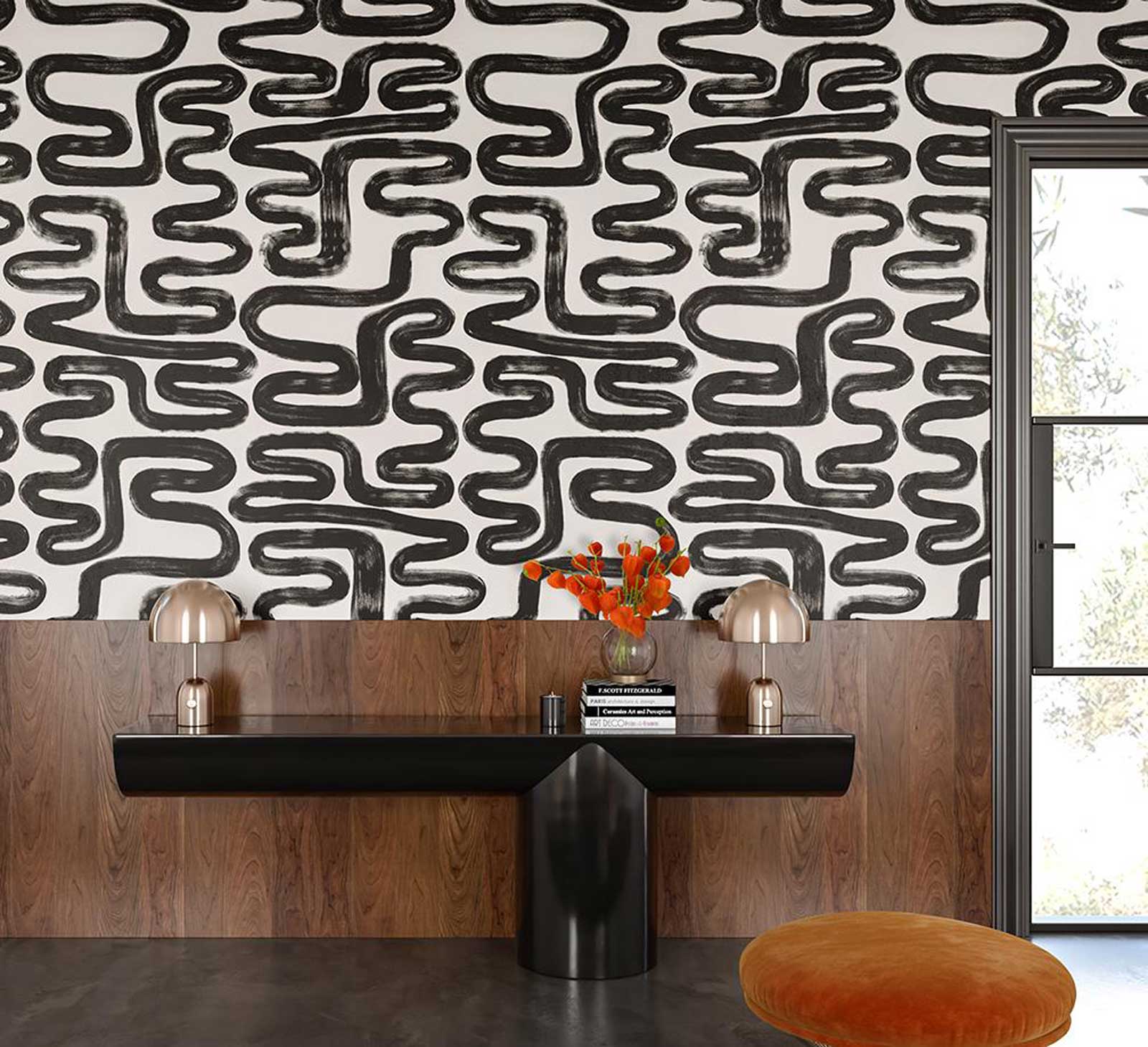
Natural textures are another direction we’re seeing. Materials like grasscloth bring warmth and subtle variation, creating a more organic and tactile experience. While they tend to be more expensive, they offer a unique look that can’t be replicated with standard prints. At the same time, there’s a growing appreciation for hand-drawn and artistic designs. From modern chinoiserie to abstract brush strokes, these styles blur the line between wallpaper and art, making walls feel more curated and intentional.
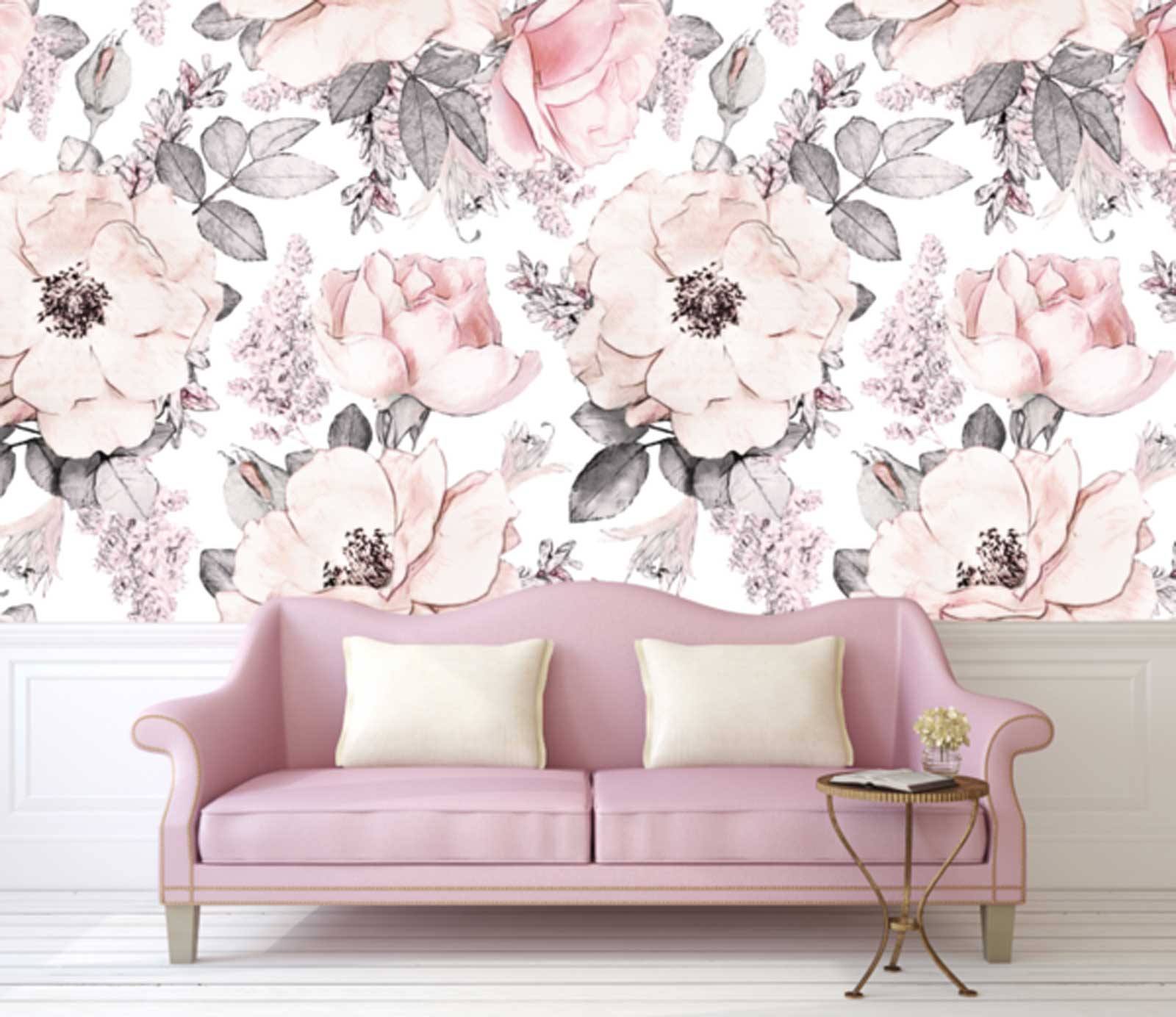
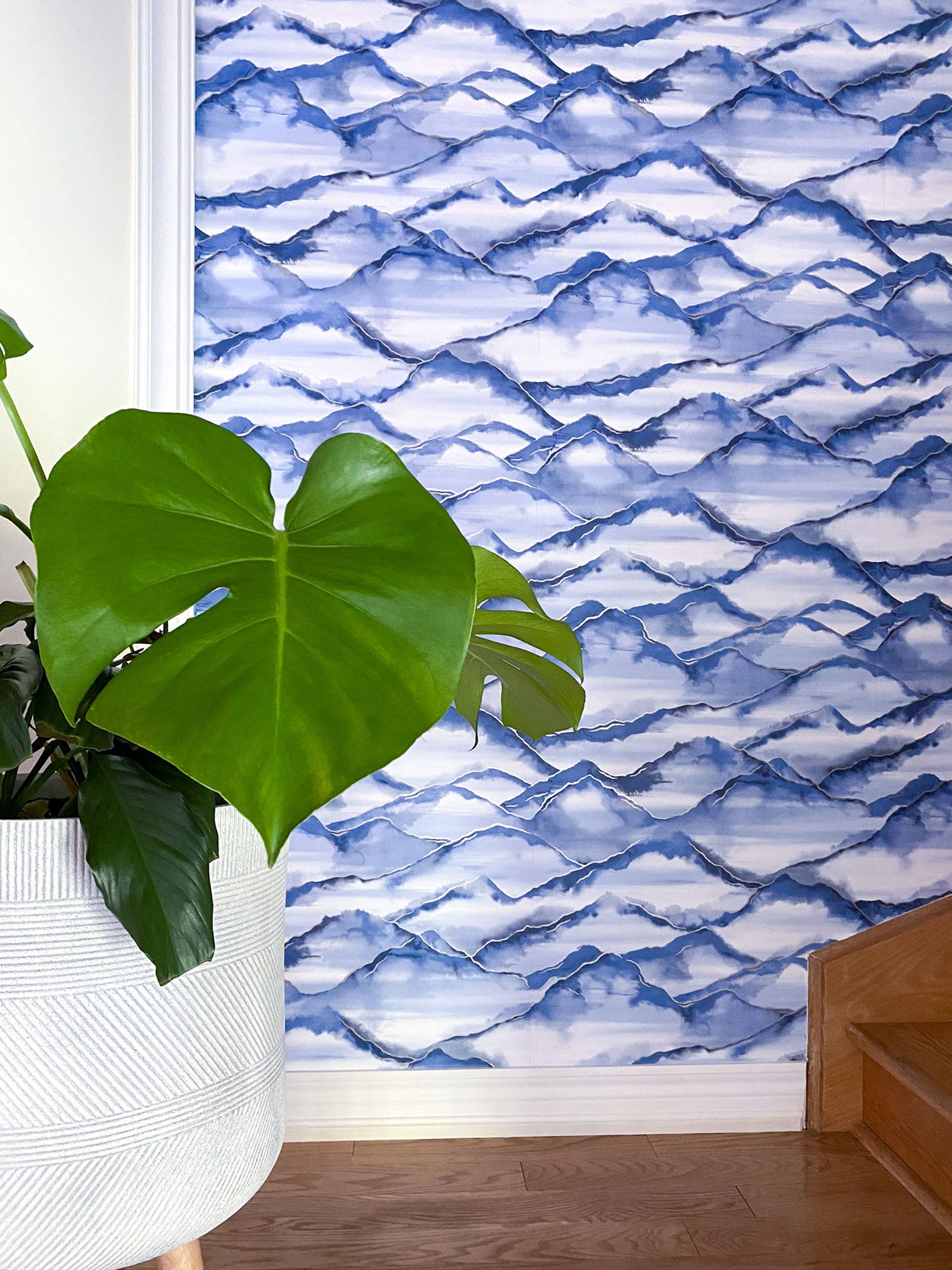
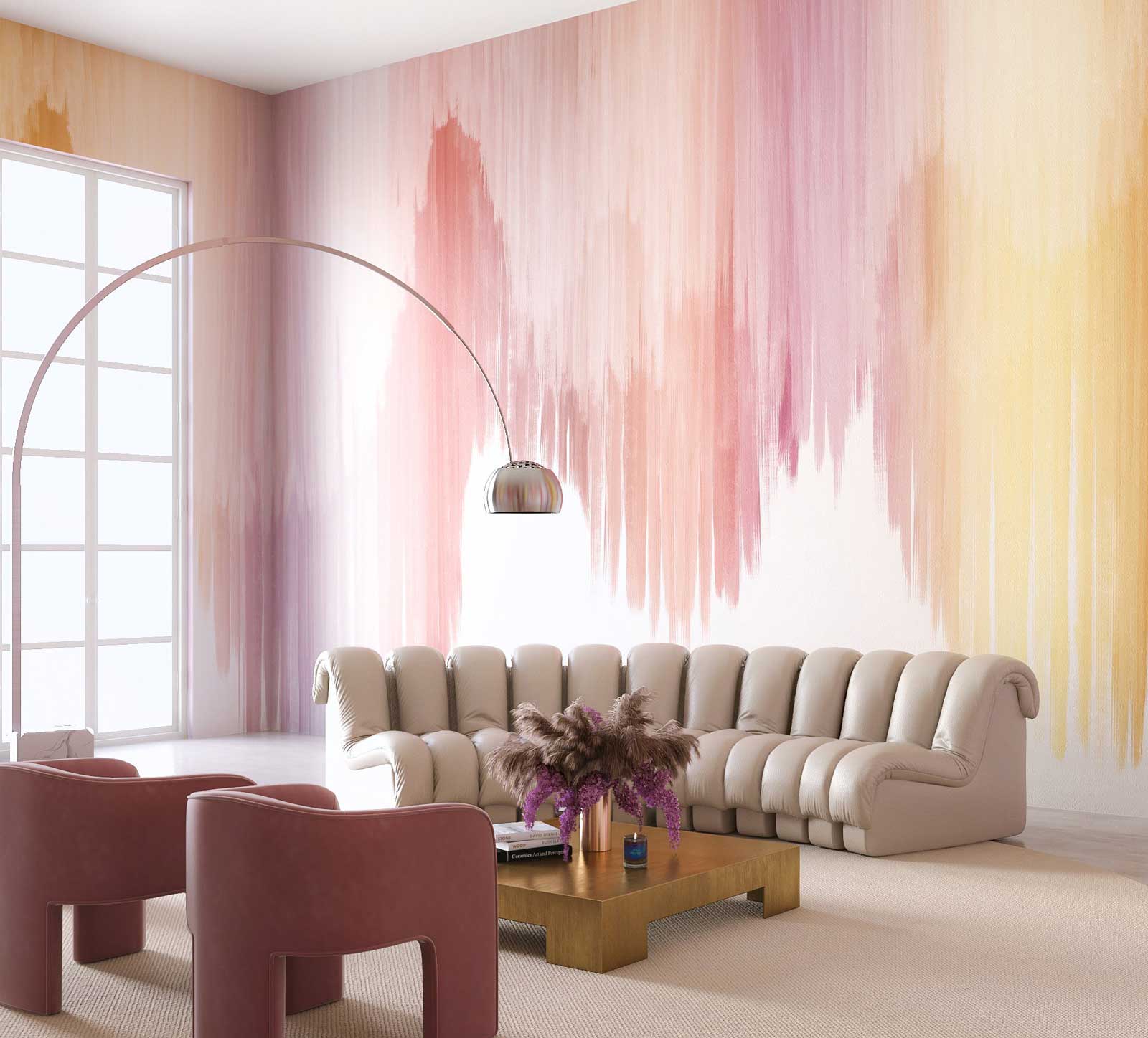
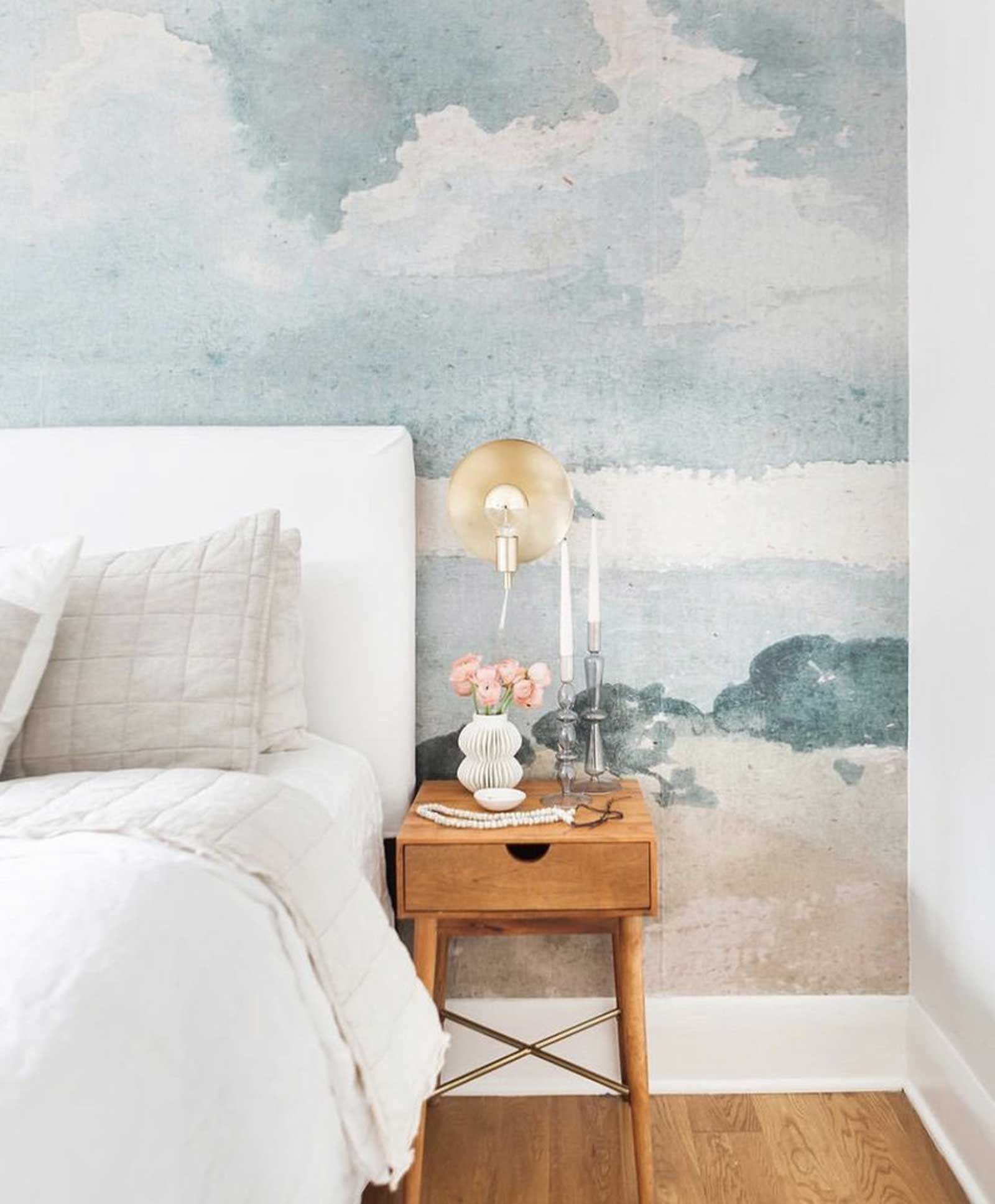
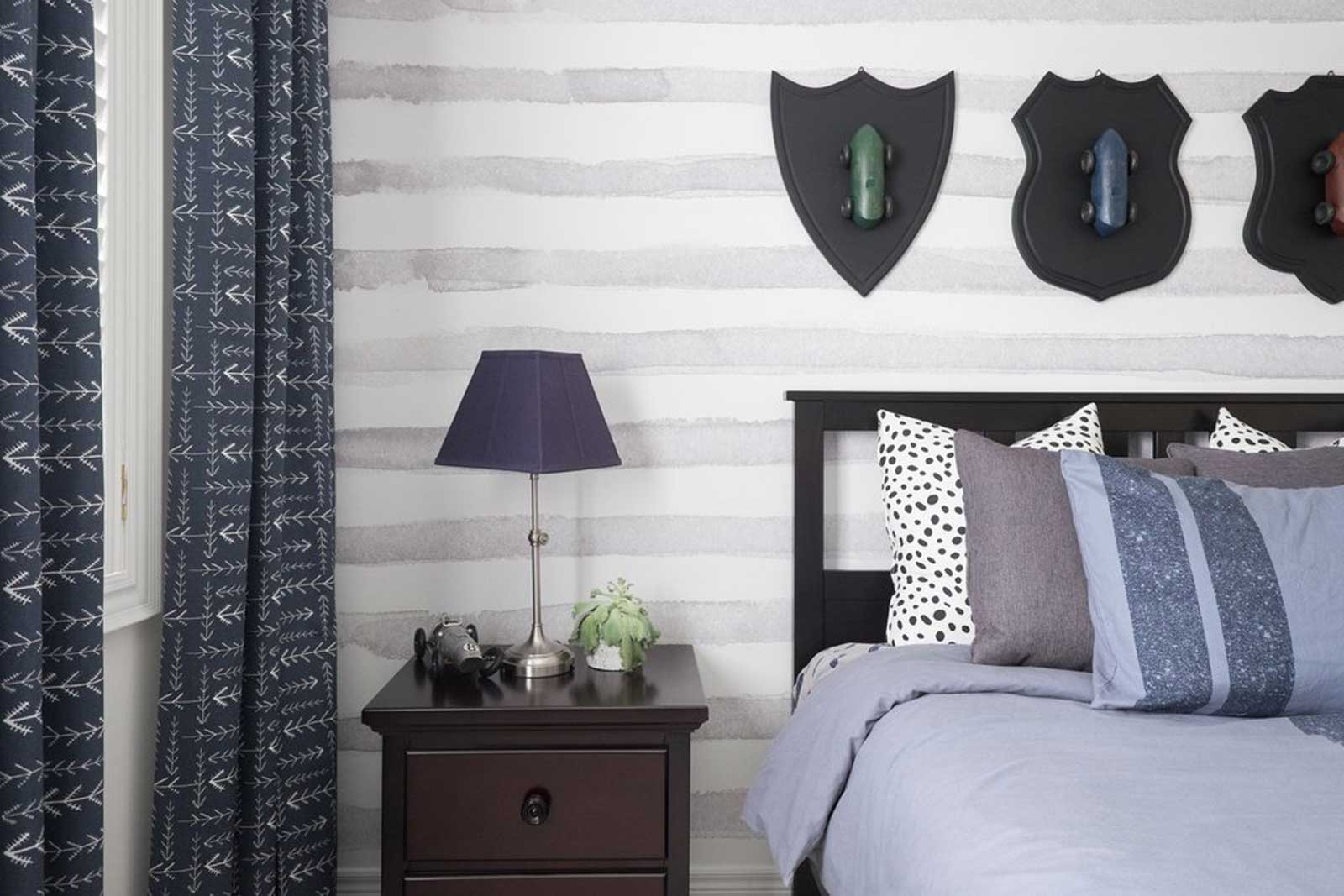
And then there’s watercolour-inspired wallpaper. This softer, more fluid style allows you to introduce colour while still maintaining a light and minimal feel. It’s a great option for those who want something subtle but impactful.
Final Thoughts
Wallpaper has gone through a complete transformation. What once felt heavy and outdated has become one of the most creative ways to shape a space. The key is knowing how and where to use it. You don’t have to commit to an entire room. Sometimes a single wall, a ceiling, or even a small corner is enough to completely shift the atmosphere. If you’re exploring different wallpaper design ideas, think of it less as decoration and more as an opportunity. It’s a way to add personality, texture, and depth without needing a full renovation. And honestly, if you’ve been avoiding wallpaper because of what you remember from years ago, it might be time to look at it with fresh eyes.
You might be surprised.
If you’d like to see how we incorporate wallpaper into real projects, you can follow along on Instagram.

Leave a Reply
You must be logged in to post a comment.