
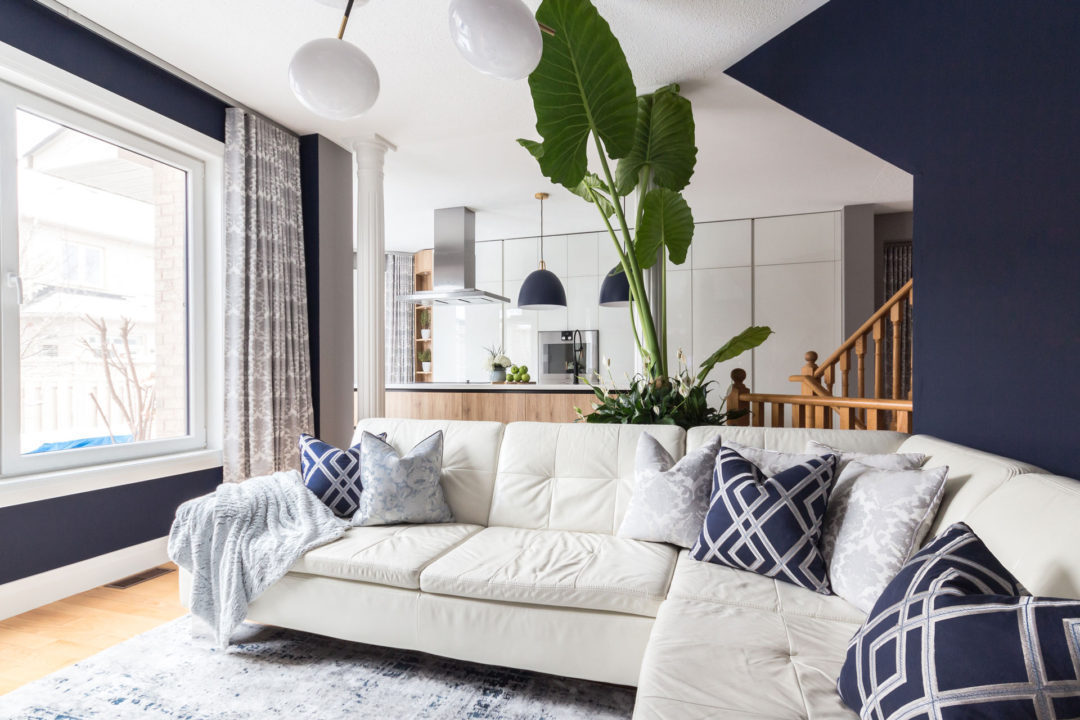
As designers working on a wide range of residential projects, we often meet homeowners who love the clean, modern look of a light coloured sofa but worry about stains, spills, discolouration, and maintenance. This concern is especially common in homes with kids or pets.
With the right knowledge, you can enjoy a light coloured sofa without stress. Choosing the right materials and understanding fabric protection makes a big difference.
We created this guide to help you make confident decisions. You can also explore examples of our completed spaces on Instagram to see how light coloured sofas perform in real homes.
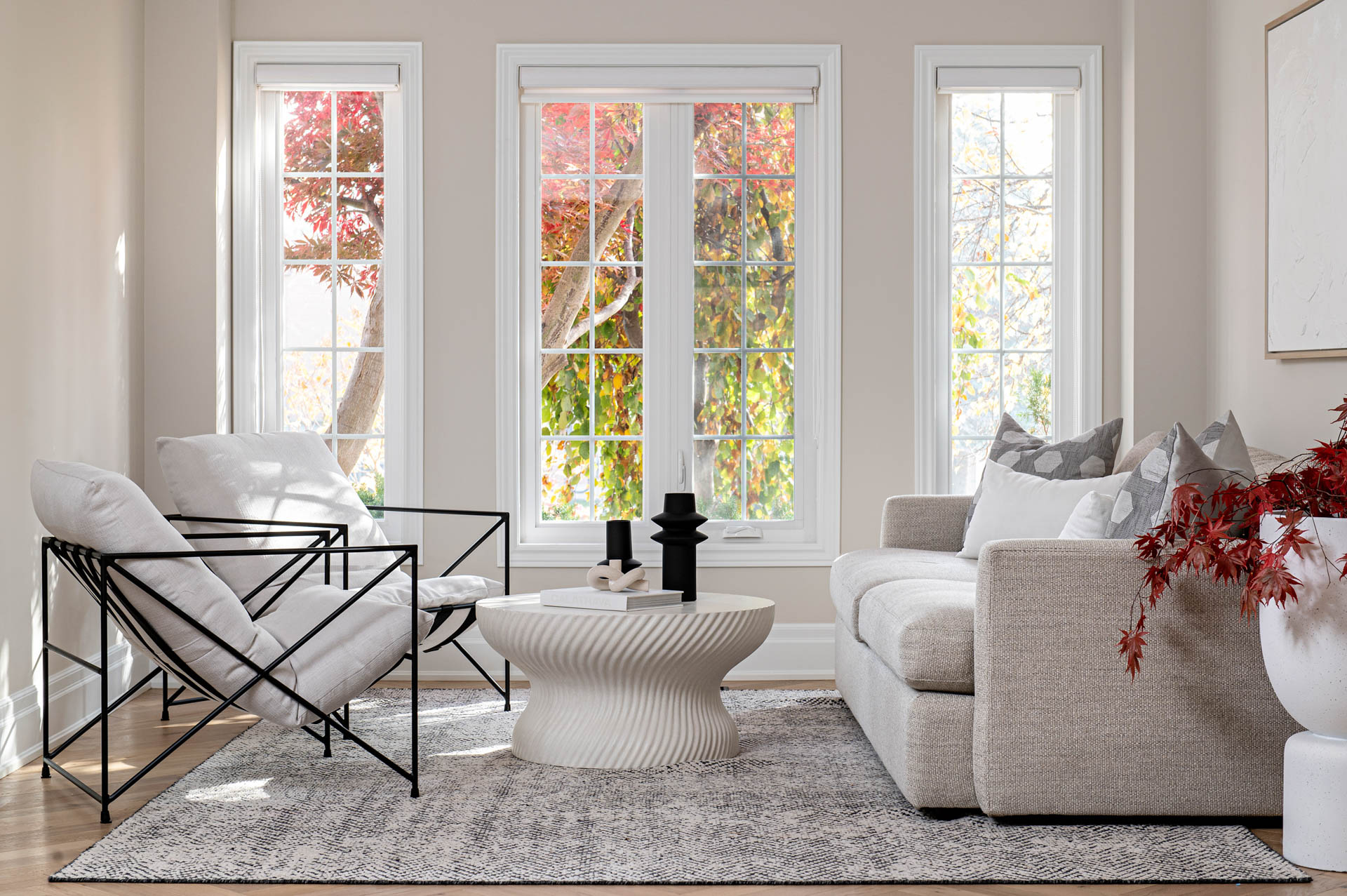
Choosing a Light Coloured Sofa
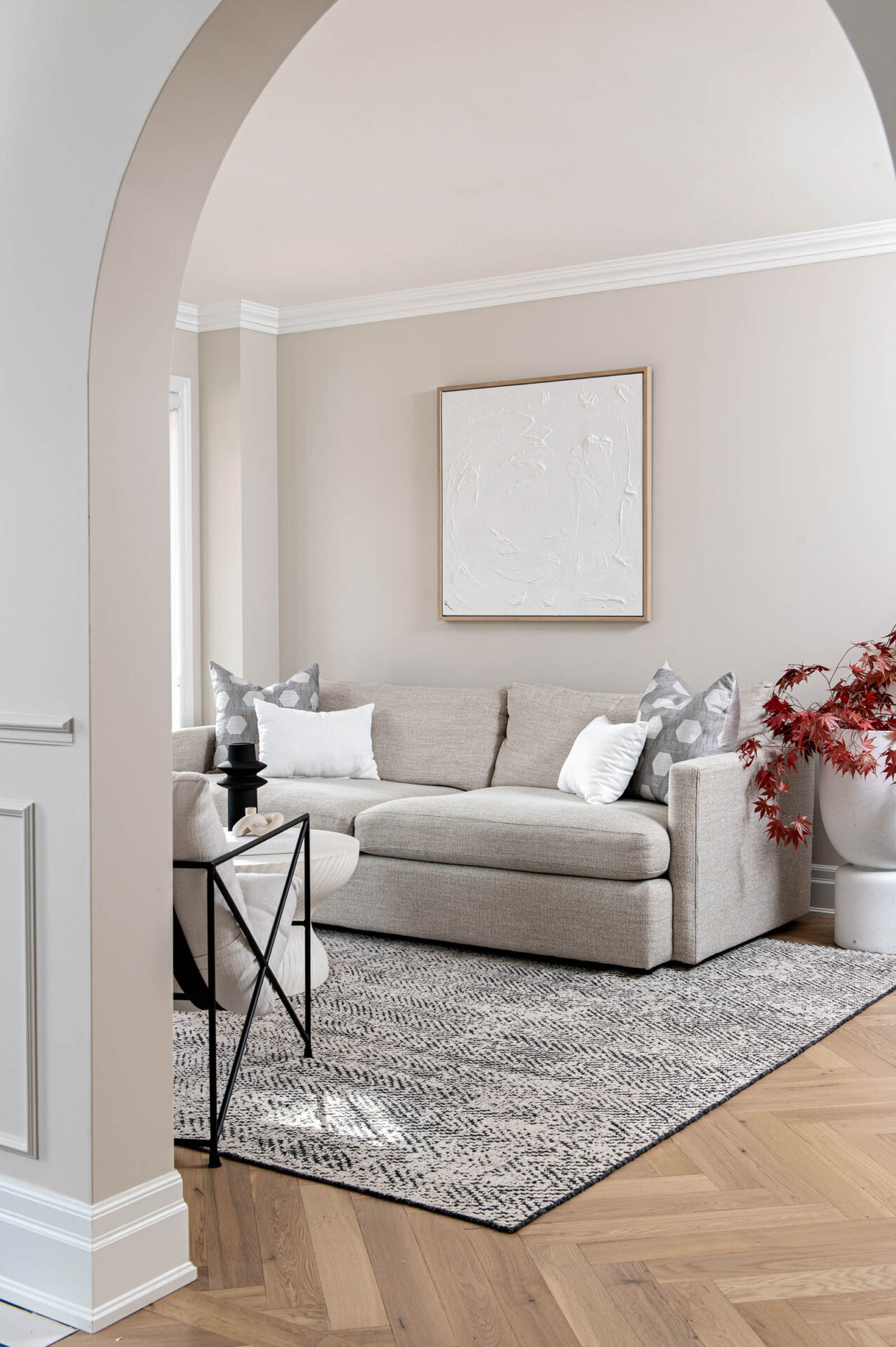
Choosing a light coloured sofa starts with understanding fabric performance. Some materials handle daily use better than others.
Below are the most reliable options.
Microfiber
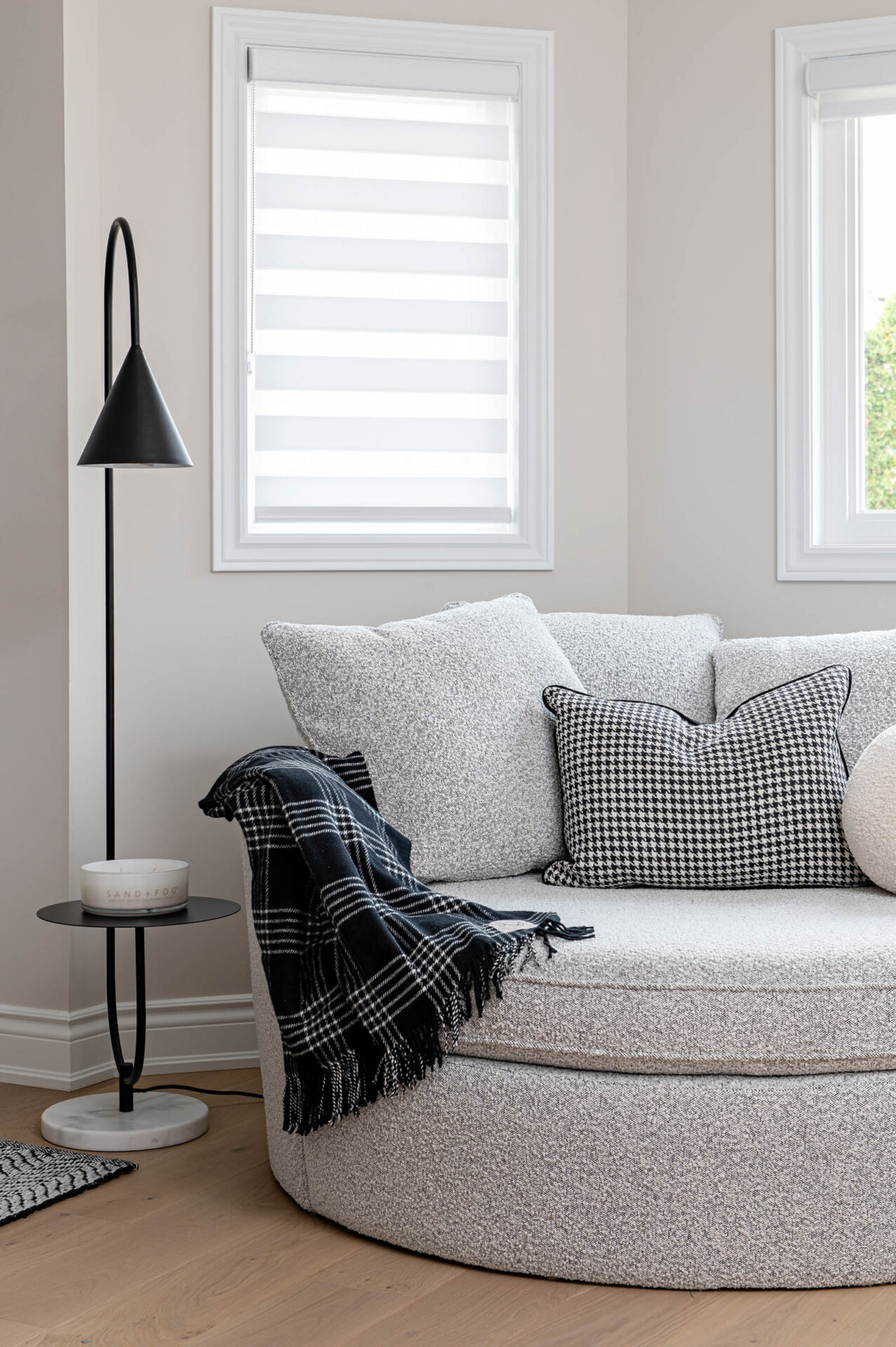
Microfibre is an excellent choice for light coloured sofas due to its many practical benefits. Microfibre consists of extremely fine synthetic fibres, typically polyester and nylon. This fabric has a tight weave, which makes it resistant to spills and easy to clean. It also tends to repel pet hair and is less likely to show wear and tear over time.
Its soft texture adds a touch of luxury to your living space, while its durability ensures long-lasting beauty. Microfibre is available in various colours and textures. This versatility makes it a popular choice for everyday use, combining style and functionality seamlessly.
Leather
Leather may not be the first material that comes to mind for a light coloured sofa, but it can be a surprisingly practical option. High-quality leather is naturally stain-resistant, and can wipe clean with a damp cloth. Over time, leather develops a beautiful patina, adding character and charm to your sofa. For best durability and easier maintenance, opt for top-grain or full-grain leather.
However, leather can be prone to scratches, so it is important to keep sharp objects away and be mindful of pets with sharp claws. It can also feel cold to the touch, which may be less inviting in cooler climates. To protect it from stains and spills, apply a leather protector. It is more expensive than other upholstery options, and light coloured leather may also show dirt more easily if not properly cared for. However, with regular maintenance, it remains a stylish and durable choice.
Cotton and Linen Blends
For those who prefer natural fibres, cotton and linen blends offer a soft, breathable texture and a timeless look. This makes them a good choice for upholstery. However, these fabrics often need added durability and stain resistance, which usually comes from blending them with synthetic fibres or applying protective coatings. Despite their advantages, cotton and linen blends require more maintenance. This includes regular cleaning and occasional professional care to preserve their appearance.
They also wrinkle more easily than synthetic options. In addition, they are generally less durable than blended fabrics, which can impact their long-term performance. Finally, natural fibre blends often come with higher initial costs, and ongoing maintenance expenses can also be higher compared to synthetic alternatives.
Performance Fabrics
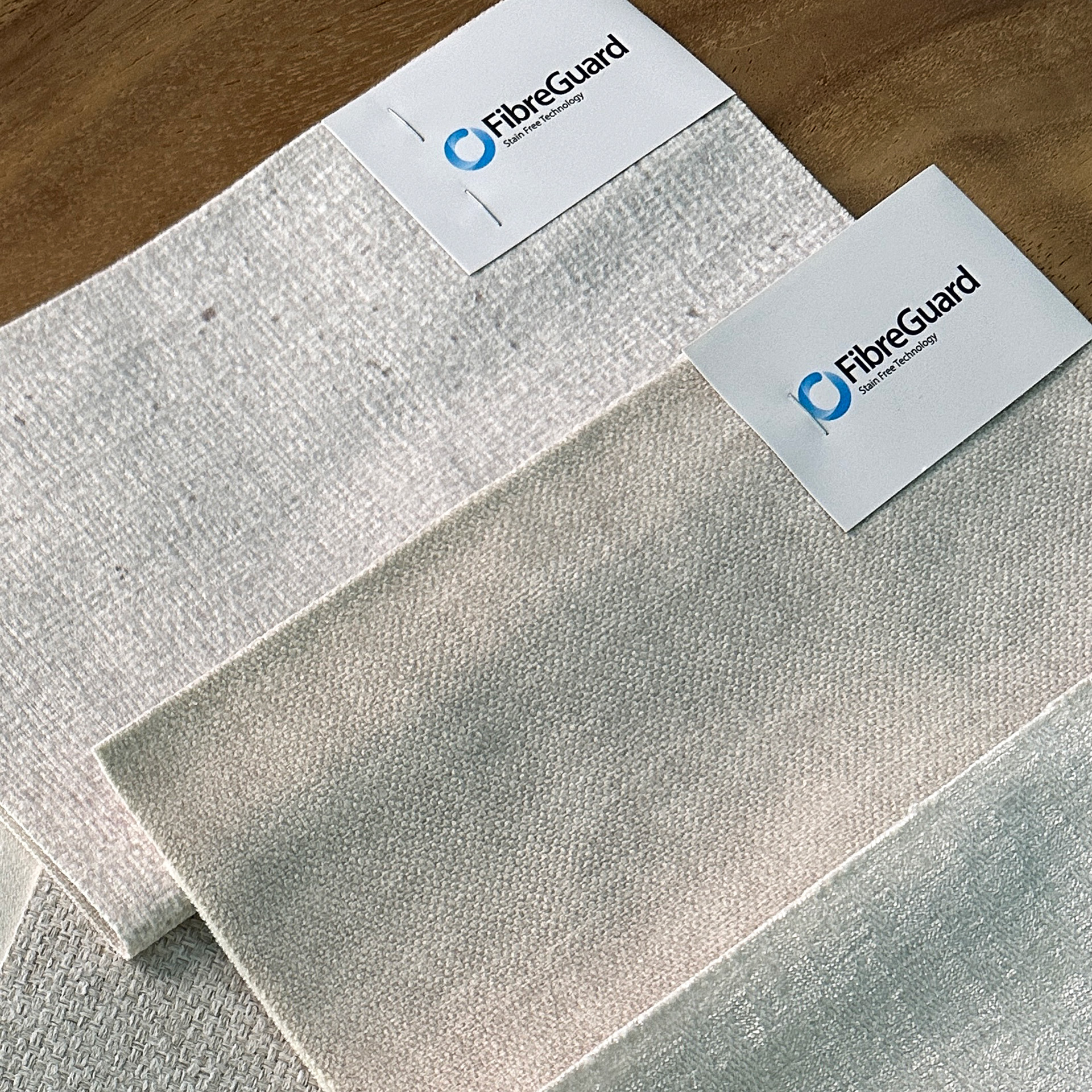
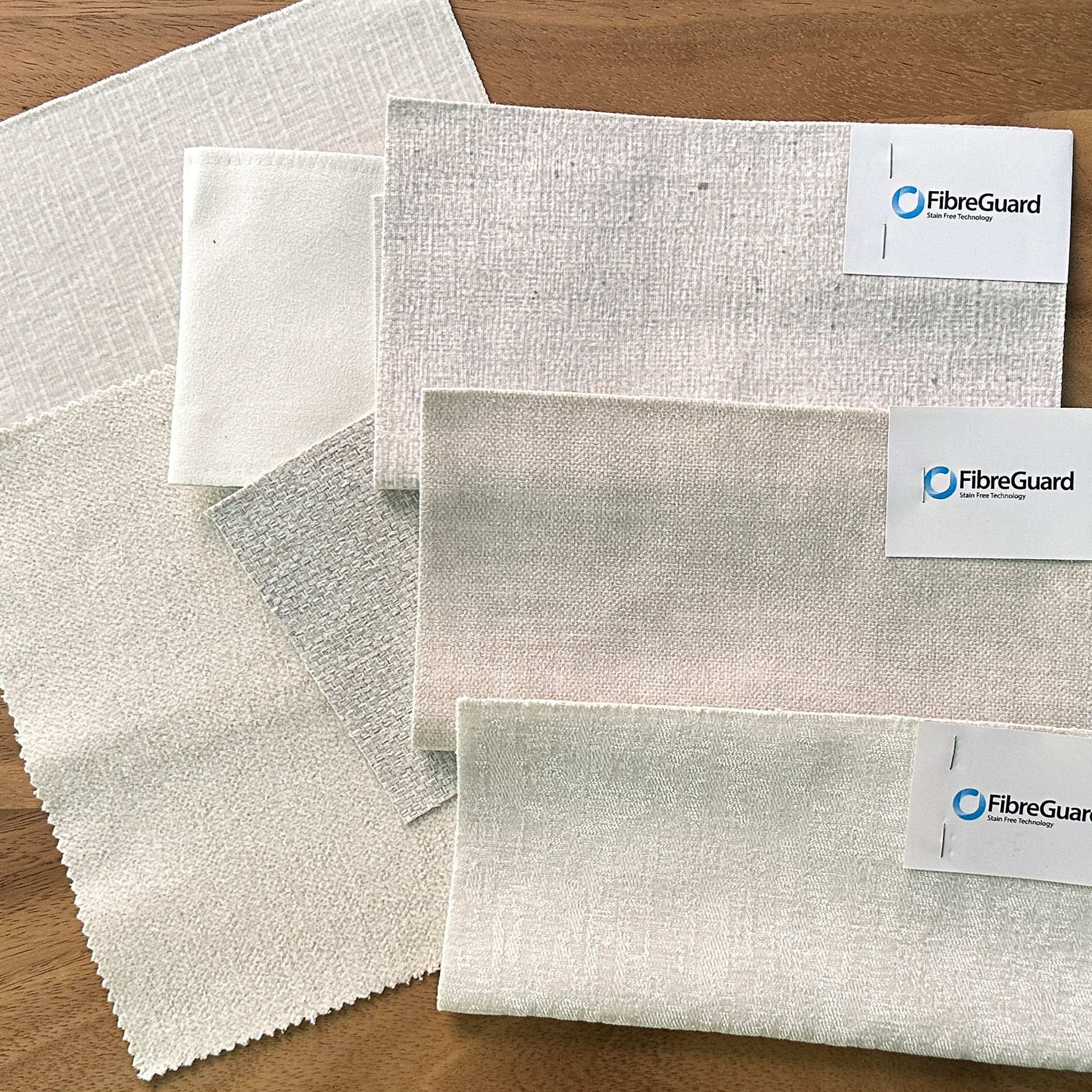
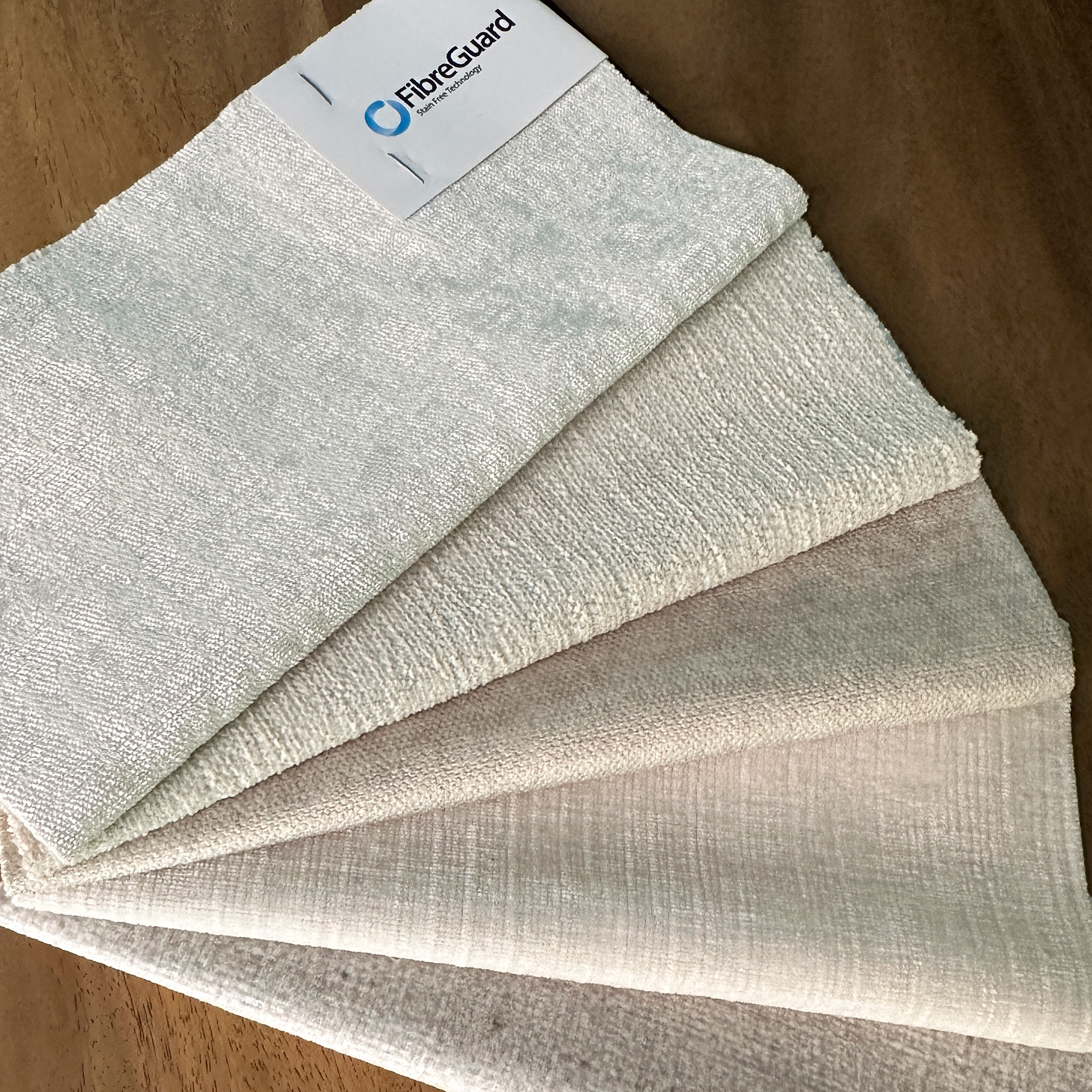
Manufacturers design performance fabrics to resist stains and spills. This makes them an ideal choice for homes with kids or pets. These fabrics often come with special coatings, which help liquids bead on the surface, making clean-up easier. Performance fabrics are also highly durable, holding up well to daily use and maintaining their appearance over time.
Always check whether manufacturers pre-treat the fabric during manufacturing or treat it after production. Pre-treated fabrics usually offer stronger and longer-lasting protection. Most brands now offer a range of pre-treated performance fabrics to choose from.
Pre-Treated vs Post-Production Fabrics for a Light Coloured Sofa
Fabrics that manufacturers pre-treat during production generally cost more upfront. This method ensures that protective treatments permeate each fibre from the start, offering enhanced durability and stain resistance throughout the fabric’s lifespan. If we can find a pre-treated fabric that meets our needs, we prefer this route for its integrated protection. In contrast, post-production treatments such as Scotchgard create a protective barrier against liquids and stains. You can easily apply these treatments and reapply them periodically to maintain effectiveness. Before application, always conduct a patch test on a small, inconspicuous area to avoid any adverse effects on the fabric’s colour or texture. The right treatment approach helps preserve the style and functionality of your light coloured sofa for years to come.
Tips for Light Coloured Sofa Longevity
After purchasing your light coloured sofa, implementing a few maintenance habits can significantly extend its life and keep it looking pristine. Here are some tips to help you maintain your sofa:
- Rotate and Fluff Cushions: If possible, regularly rotate and fluff your sofa cushions to distribute wear evenly, preventing one area from becoming more worn or dirty than the rest. This simple practice helps maintain the upholstery’s shape and appearance over time.
- Vacuum Regularly: Use a soft brush attachment to vacuum your sofa at least once a week. This removes dust and debris that can contribute to fabric deterioration. Pay special attention to crevices and seams where dirt can accumulate.
- Address Spills and Stains Promptly: When an accident occurs, blot the area with a clean, dry cloth to absorb as much liquid as possible. For more stubborn stains, use a mild cleaning solution and gently dab the spot, avoiding harsh scrubbing that could damage the fabric.
Integrating a light coloured sofa into your home is entirely feasible with the right preparation and knowledge. By choosing materials such as microfiber, leather, cotton, linen blends, or performance fabrics, and understanding the benefits and maintenance of each, you can enjoy the elegance of light upholstery without stress. Pre-treated fabrics generally offer more effective and lasting protection, but post-production treatments can also be beneficial. Implementing maintenance habits like rotating cushions, vacuuming regularly, and promptly addressing spills will help keep your light coloured sofa looking its best for years to come.




Leave a Reply
You must be logged in to post a comment.