Imagine having an ice-cold drink in your hand, the warmth of the sun on your face, and the sound of birds in the background. We’re constantly moving, constantly busy, and because of that, the idea of slowing down and relaxing has become more important than ever. That’s exactly why well-designed outdoor spaces have evolved into true extensions of our homes. Just like any interior, function comes first. Before making any decisions, it’s important to understand how you want to use the space and who will be using it. Once you have that clarity, everything else starts to fall into place. If you’re exploring different backyard design ideas, thinking about your lifestyle first will always lead to a better result.
Working with a Smaller Space
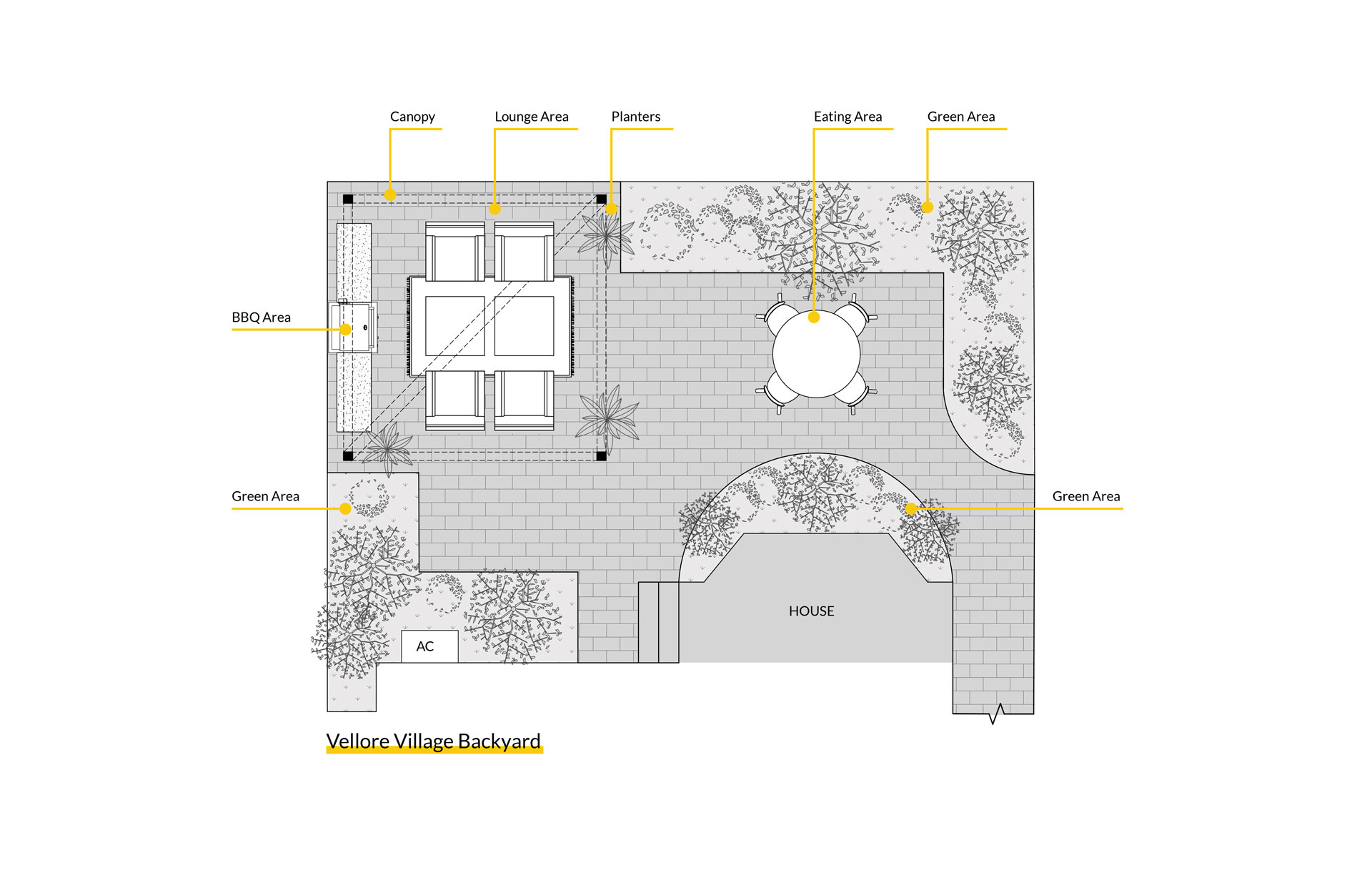
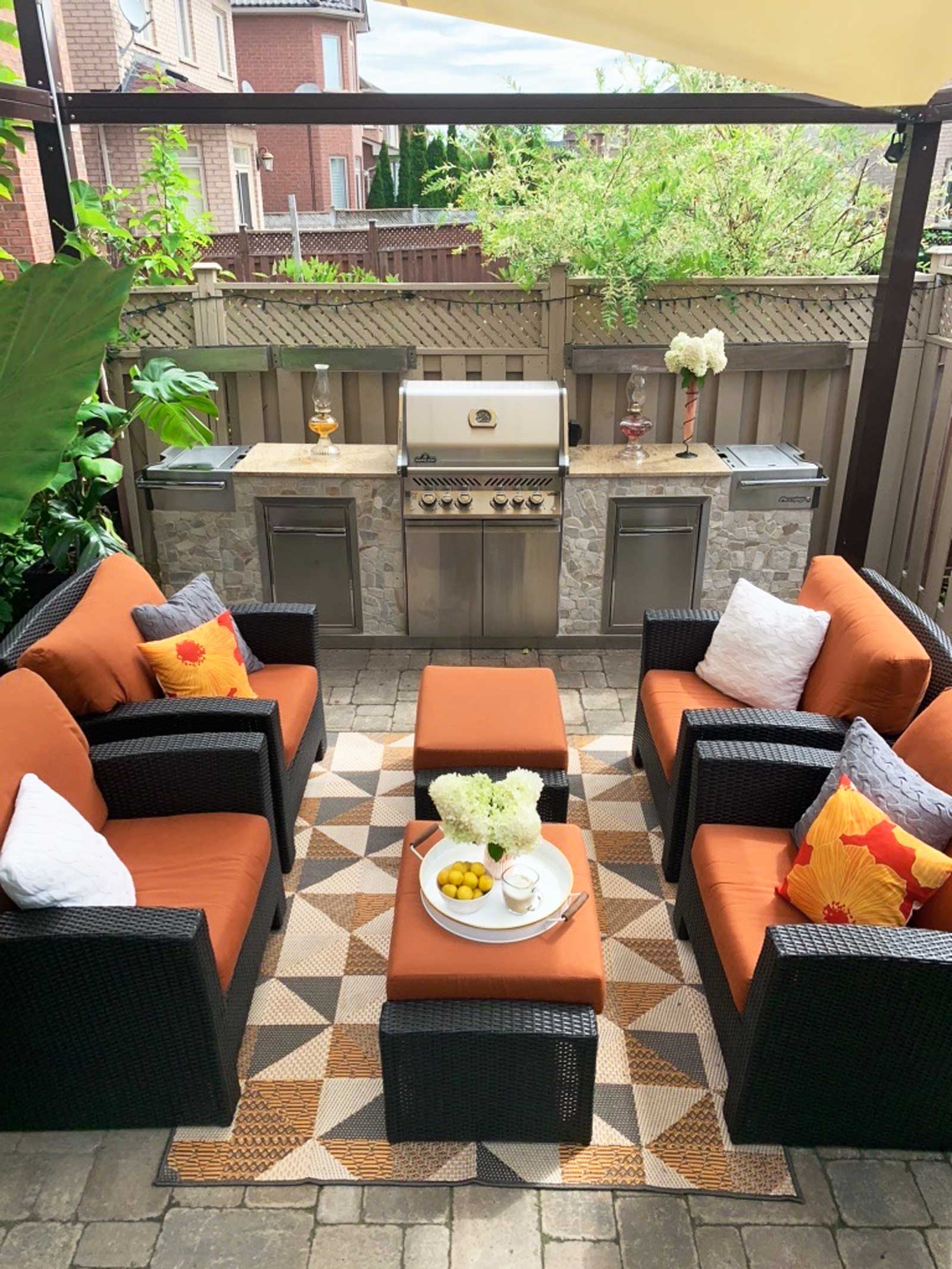
One of the biggest misconceptions is that you need a large backyard to create something meaningful. You don’t. In our Vellore Village project, the entire outdoor space was designed within a 720 sq ft backyard, yet it fully supports the homeowners’ needs. Those needs were simple but intentional. They wanted a BBQ area with storage and counter space, a covered lounge area that wouldn’t require permits, and large planters for their greenery. From there, the design naturally took shape.
The BBQ Area
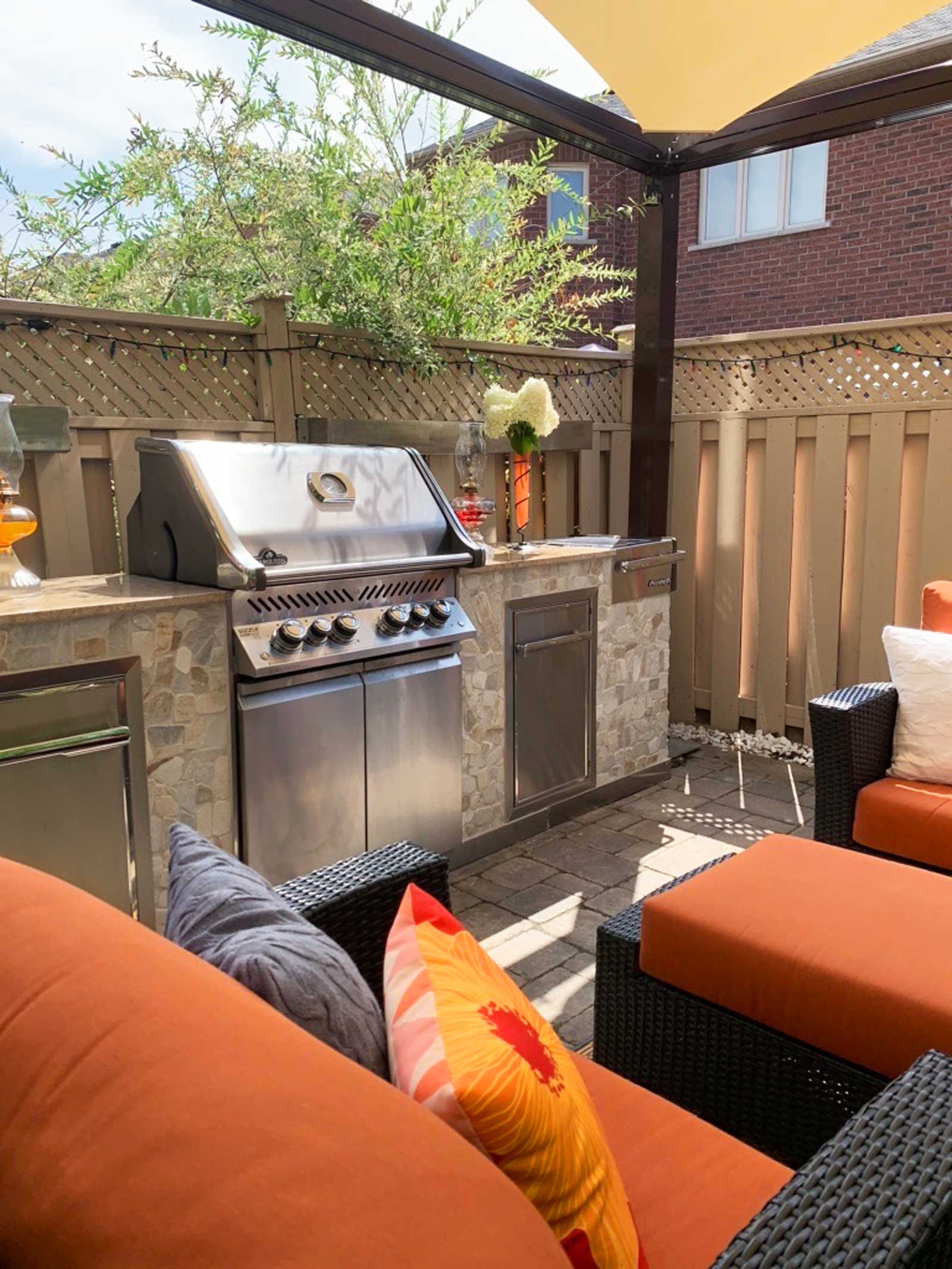
The homeowner was able to build the BBQ area, which gave us flexibility in how we approached the design. The space includes generous counter space, storage, and top grills. Natural stone was used for the surface to withstand outdoor conditions, paired with a granite countertop for durability. Choosing the right materials here is key, especially when the space is exposed to changing weather conditions.
The Lounge Area
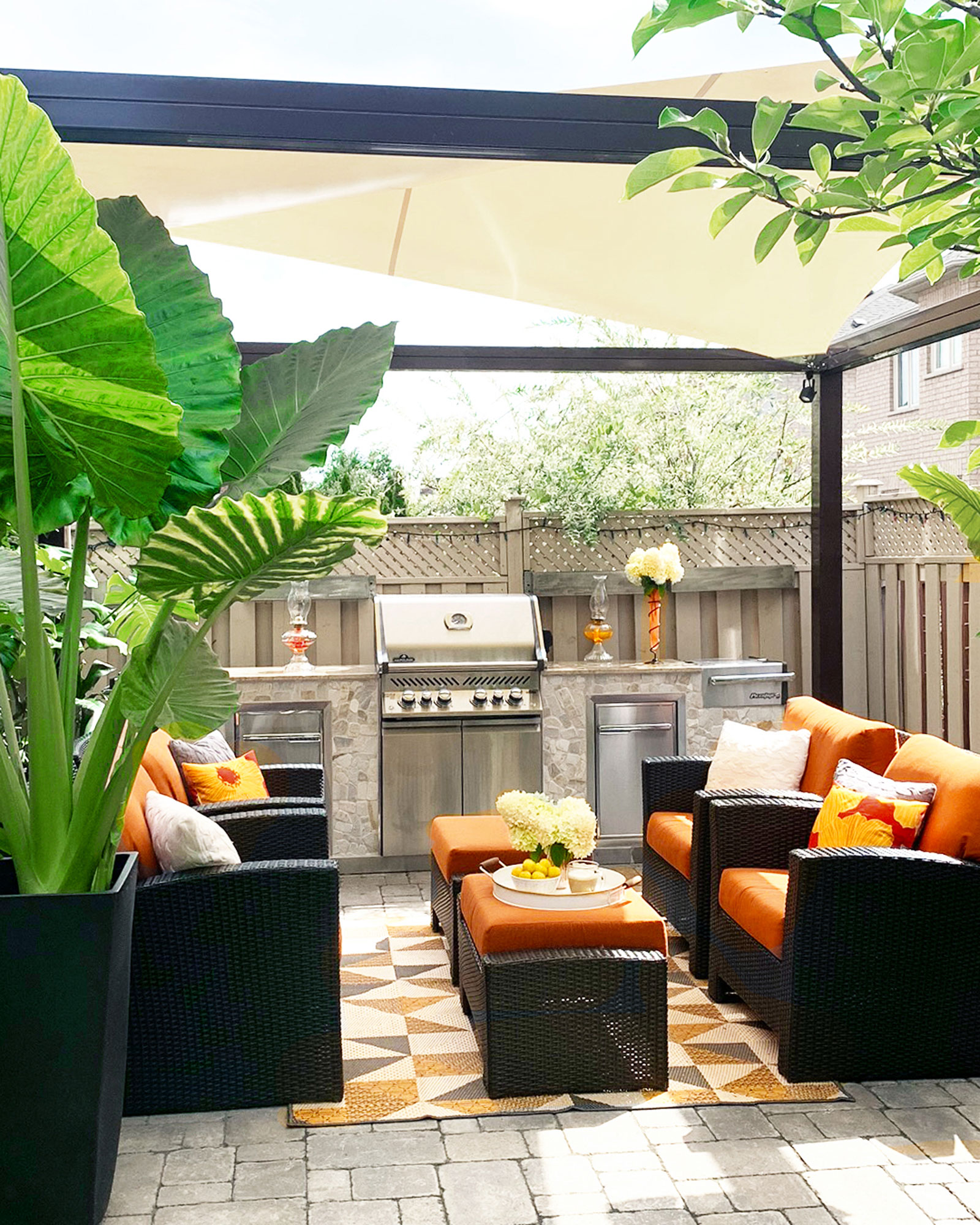
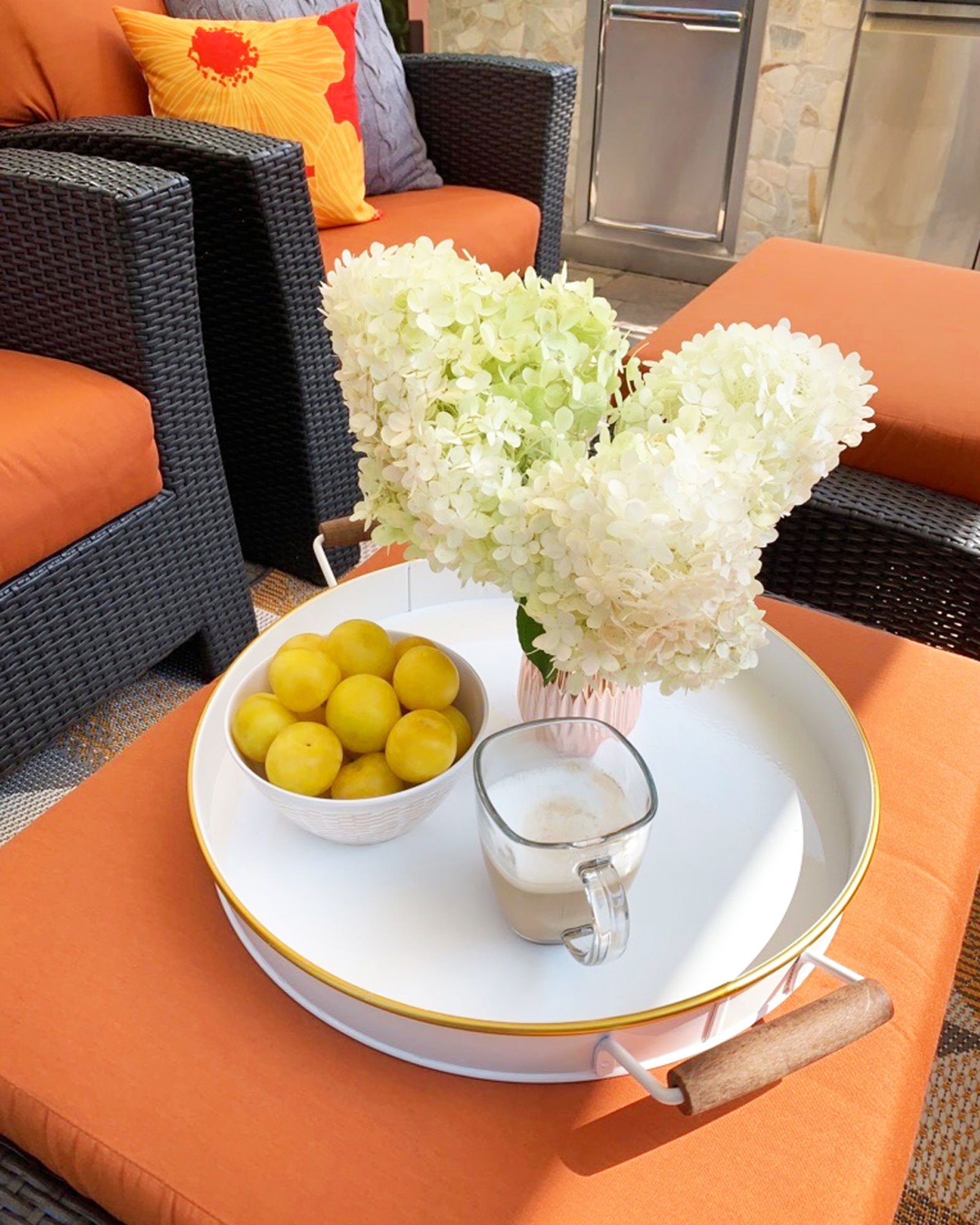
The lounge area was designed as a place to slow down. It’s where you can sit with a coffee, take a break, or gather with others. To make the space feel more connected and comfortable, we introduced an outdoor rug, which helps define the zone and adds warmth to the otherwise neutral palette.
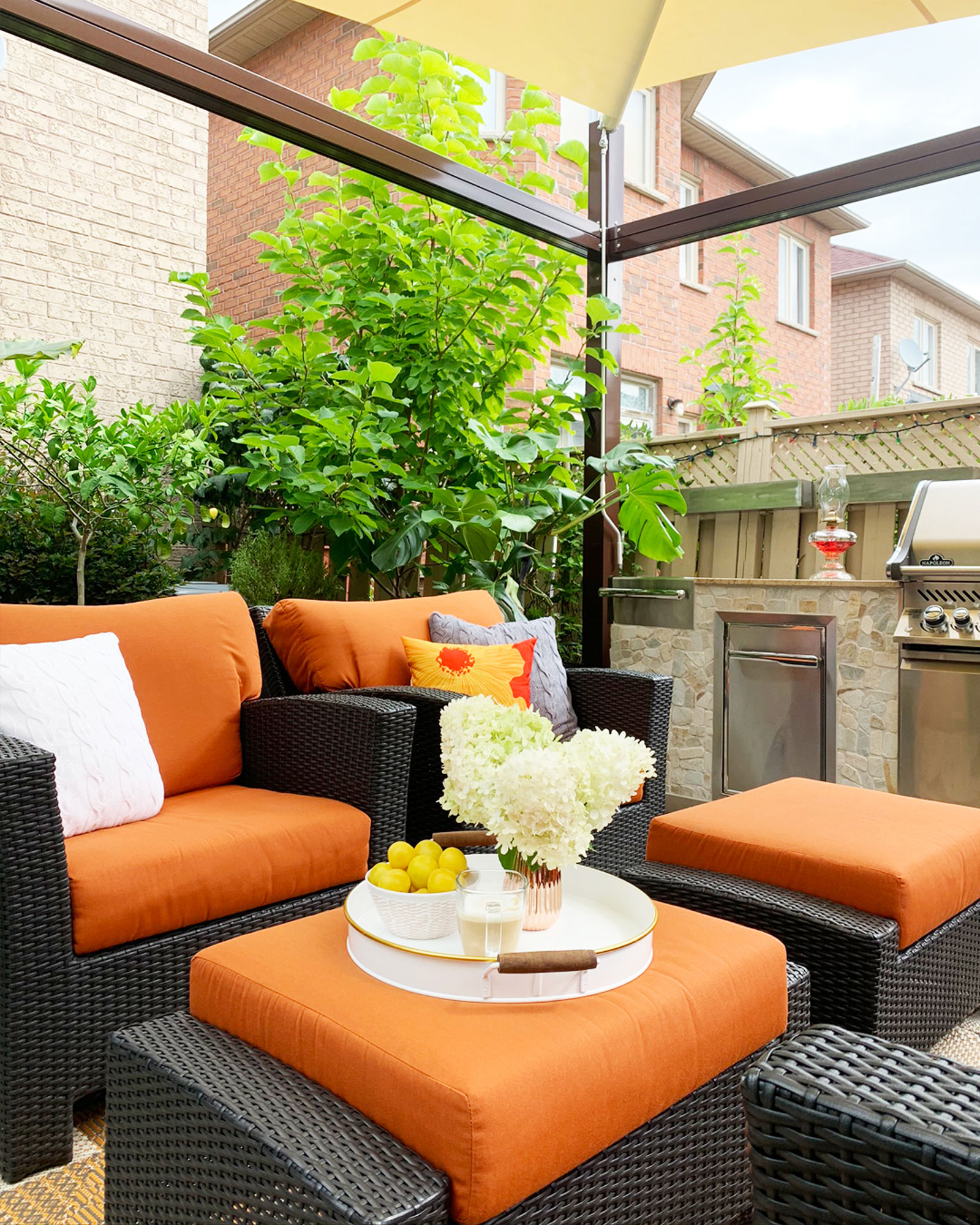
For shade, we selected a freestanding canopy with a removable sail. This was a practical solution, especially since larger permanent structures often require permits. The canopy provides flexibility, and it can be easily stored during the winter months. The seating uses Sunbrella fabric, which we love for outdoor applications. It holds its colour over time and is easy to maintain. Additional pillows were layered in to soften the look and tie everything together, while ottomans were used in a more flexible way. They can act as a coffee table, extra seating, or be moved around as needed.
The Planters
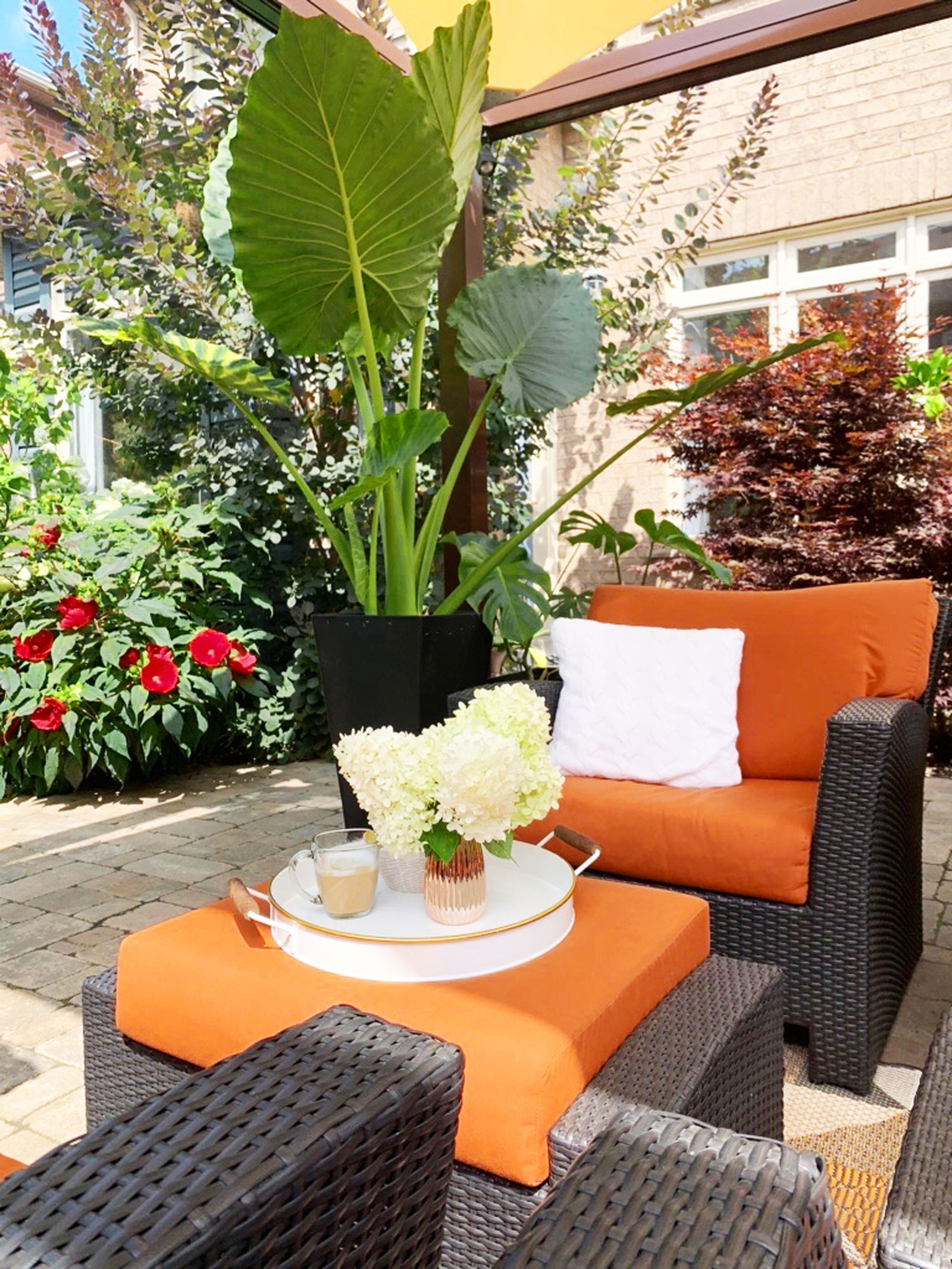
The planters played an important role in shaping the space. We selected large, durable pots to hold elephant ear plants, making sure they were both tall and slim. Since the plants need to be brought indoors during the winter, mobility was just as important as aesthetics. Placed on either side of the canopy, they help frame the lounge area and bring a sense of balance to the overall design.
Bringing It All Together
When creating an outdoor space, it helps to think of it as a series of layers rather than a single design move.
Start with the essentials.
An outdoor kitchen, for example, doesn’t have to be elaborate, but choosing the right appliances and materials will make a big difference. A BBQ and storage are the basics, while features like a fridge, sink, or even a pizza oven can elevate the experience.
Material selection matters here as well.
Granite is a popular choice because of its durability, while materials like marble require more maintenance. Flooring should always be safe and slip-resistant, especially in outdoor conditions. Concrete, natural stone, and certain tiles can all work, as long as they are suited for exterior use.
Creating shade is another key element.
Whether it’s a canopy, pergola, or umbrella, it allows you to use the space comfortably throughout the day. At the same time, it’s important to check local bylaws, as some structures may require permits depending on their size.
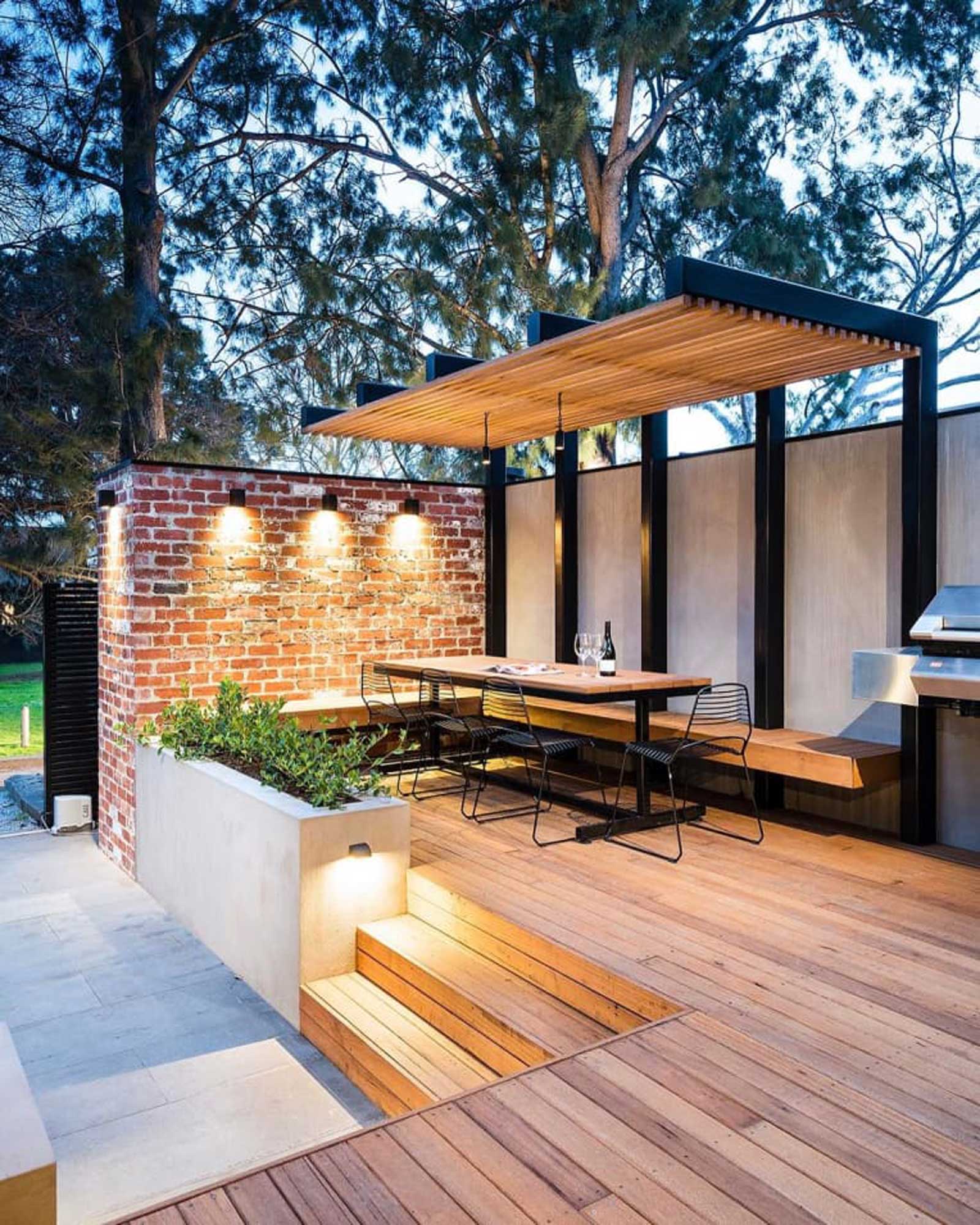
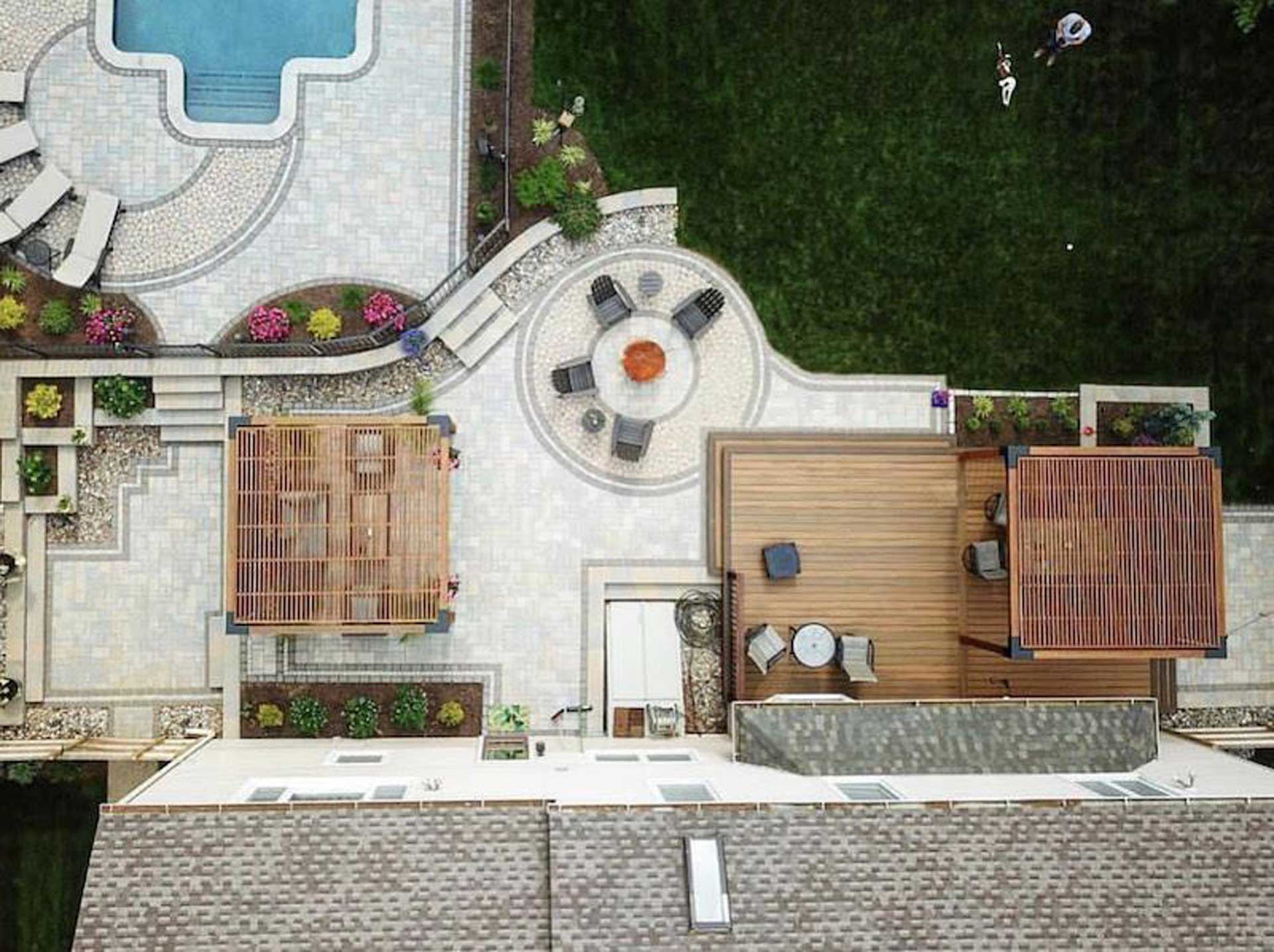
Dividing the backyard into zones can also change how the space is experienced.
Separating areas for dining and lounging, even subtly, helps create a more intentional layout. Something as simple as an outdoor rug can visually define these spaces.
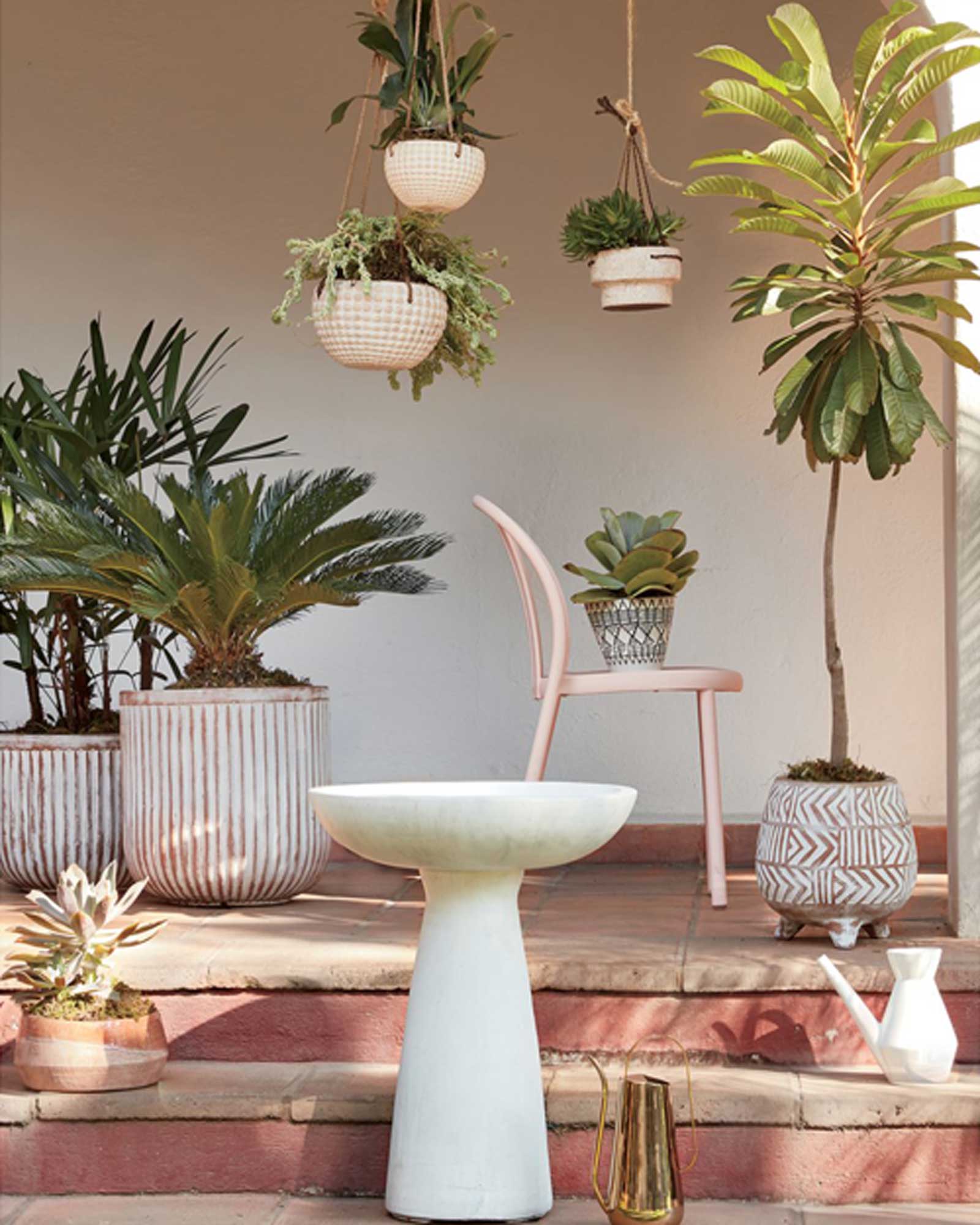
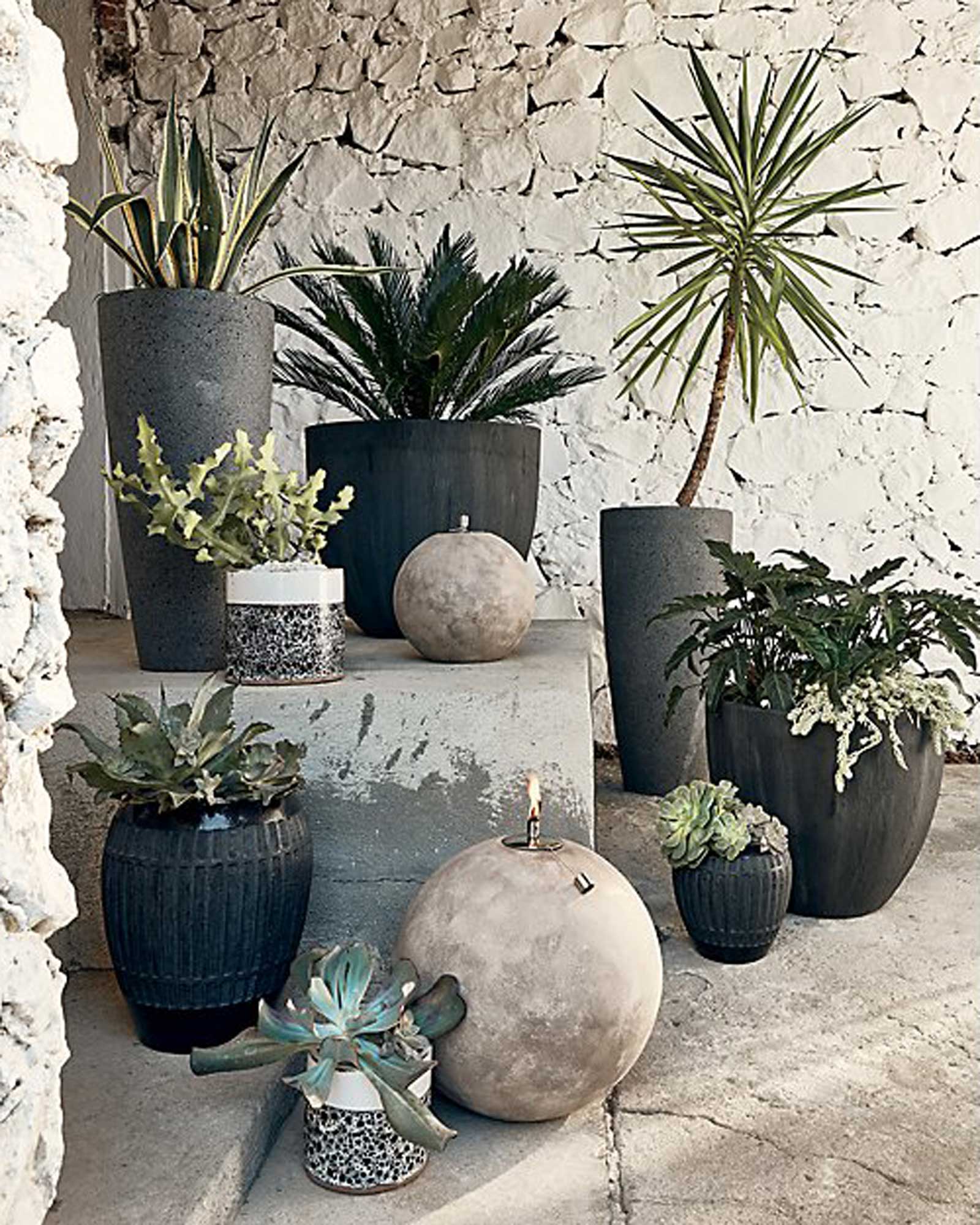
Adding plants introduces life and movement.
Potted plants, in particular, allow you to play with height and texture, while also giving you the flexibility to rearrange or bring them indoors when needed.
Lighting is just as important outside as it is inside.
Task lighting helps with functionality, especially near cooking areas or pathways, while softer ambient lighting, like string lights or lanterns, creates a more relaxed atmosphere.
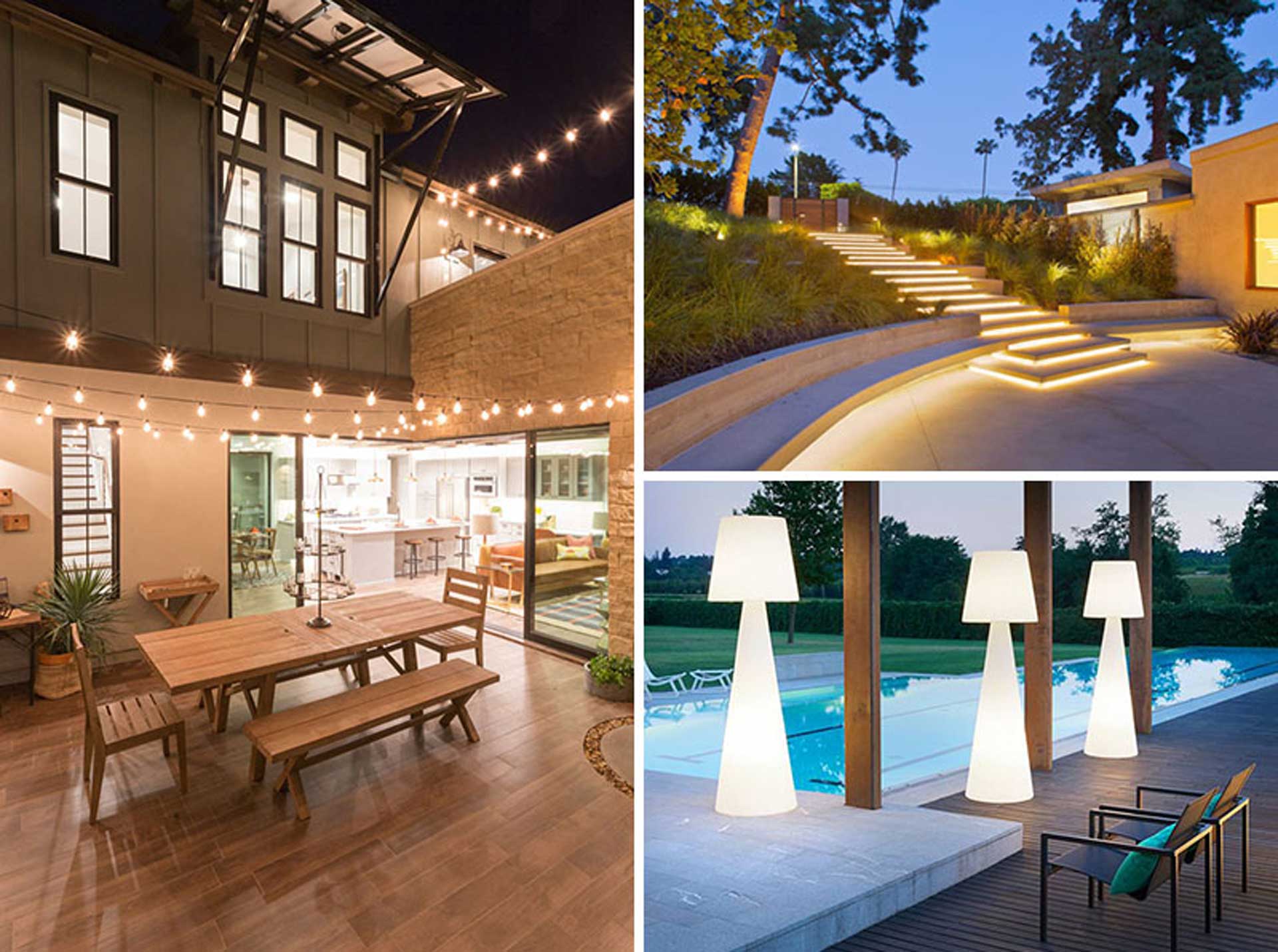
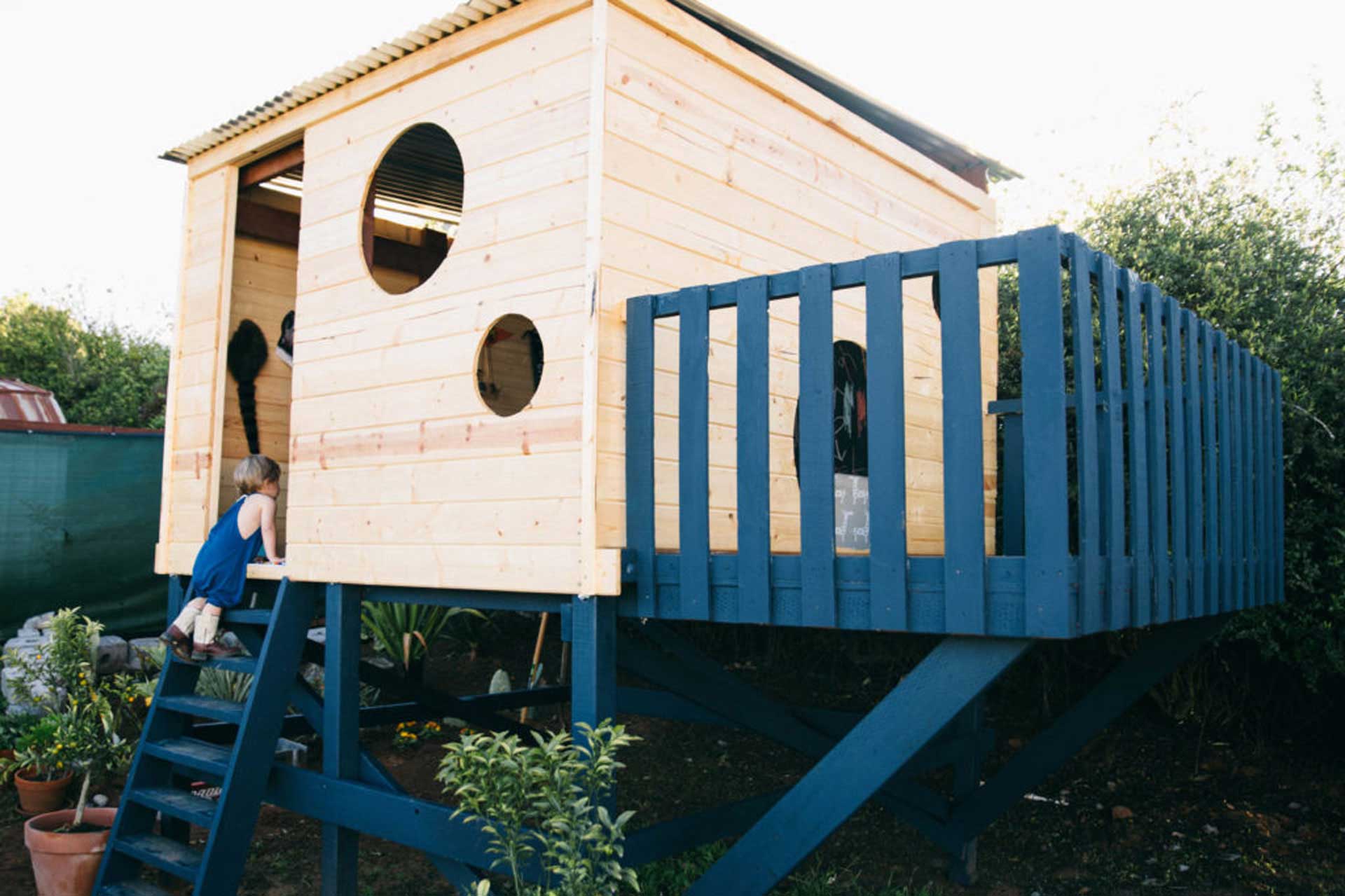
And finally, adding one unexpected or playful element can make the space feel personal.
Whether it’s a hammock, a fire pit, a sculpture, or even a treehouse, these details are what turn a backyard into a true retreat.
Final Thoughts
Outdoor spaces don’t need to be complicated to feel complete. In many ways, they work best when they’re built around simple, intentional choices that reflect how you actually want to spend your time. This project shows that even a smaller backyard can offer everything you need, as long as each element has a purpose and works together as part of a bigger picture.
If you’re exploring backyard design ideas, start with how you want to feel in the space. The design will naturally follow from there. You can also explore more of our interior design tips or see how outdoor spaces connect with the rest of the home through our project insights.
Want to see more outdoor spaces and design ideas like this? You can follow along on Instagram.

Leave a Reply
You must be logged in to post a comment.