At some point, almost every homeowner starts thinking about when to renovate your home. Maybe your kitchen no longer works for how you live. Maybe your bathroom feels dated, or perhaps you’ve been saving inspiration photos for months and wondering if now is finally the right time to renovate.
The truth is, most successful renovations start long before demolition. While it’s tempting to jump straight into finishes and construction, the best projects begin with planning, realistic expectations, and a clear understanding of your goals.
If you’ve been asking yourself whether now is the right moment to begin, these seven signs can help you decide.
Sign #1: You Know What’s Not Working
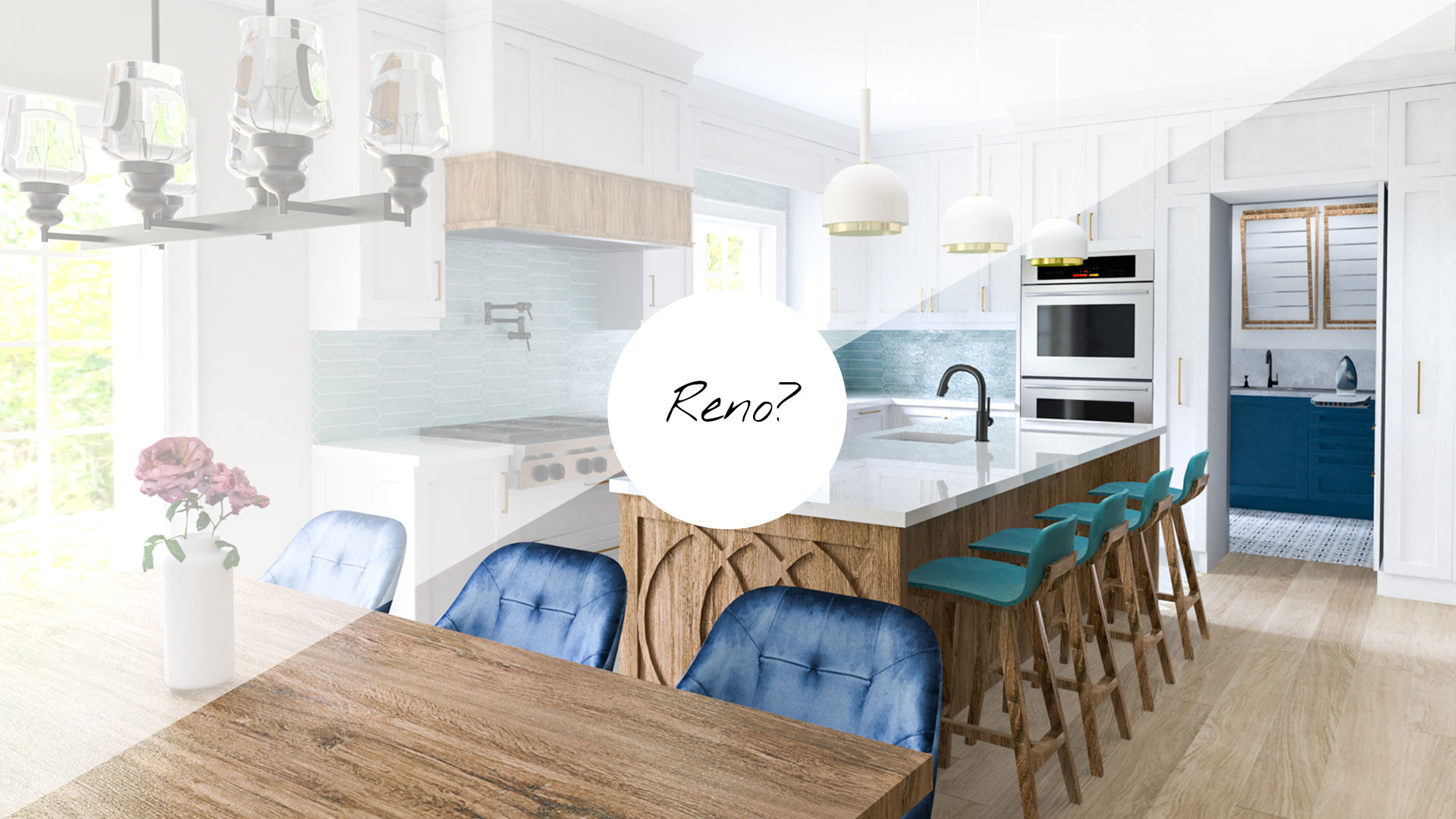
Every renovation starts with a problem that needs solving.
Sometimes it’s obvious. The kitchen lacks storage, the layout feels inefficient, or the bathroom simply doesn’t function well for your day-to-day life. Other times, the issue is harder to define. A space might look fine but still feel frustrating or disconnected from how you actually live.
When you can clearly describe what isn’t working and how it affects your routine, you’re already in a strong place. That clarity is usually one of the first signs that your renovation timing is approaching.
Sign #2: You’re Planning Before Demolition
One of the biggest renovation mistakes we see is starting demolition before creating a plan, and it’s a key factor in understanding when to renovate your home.
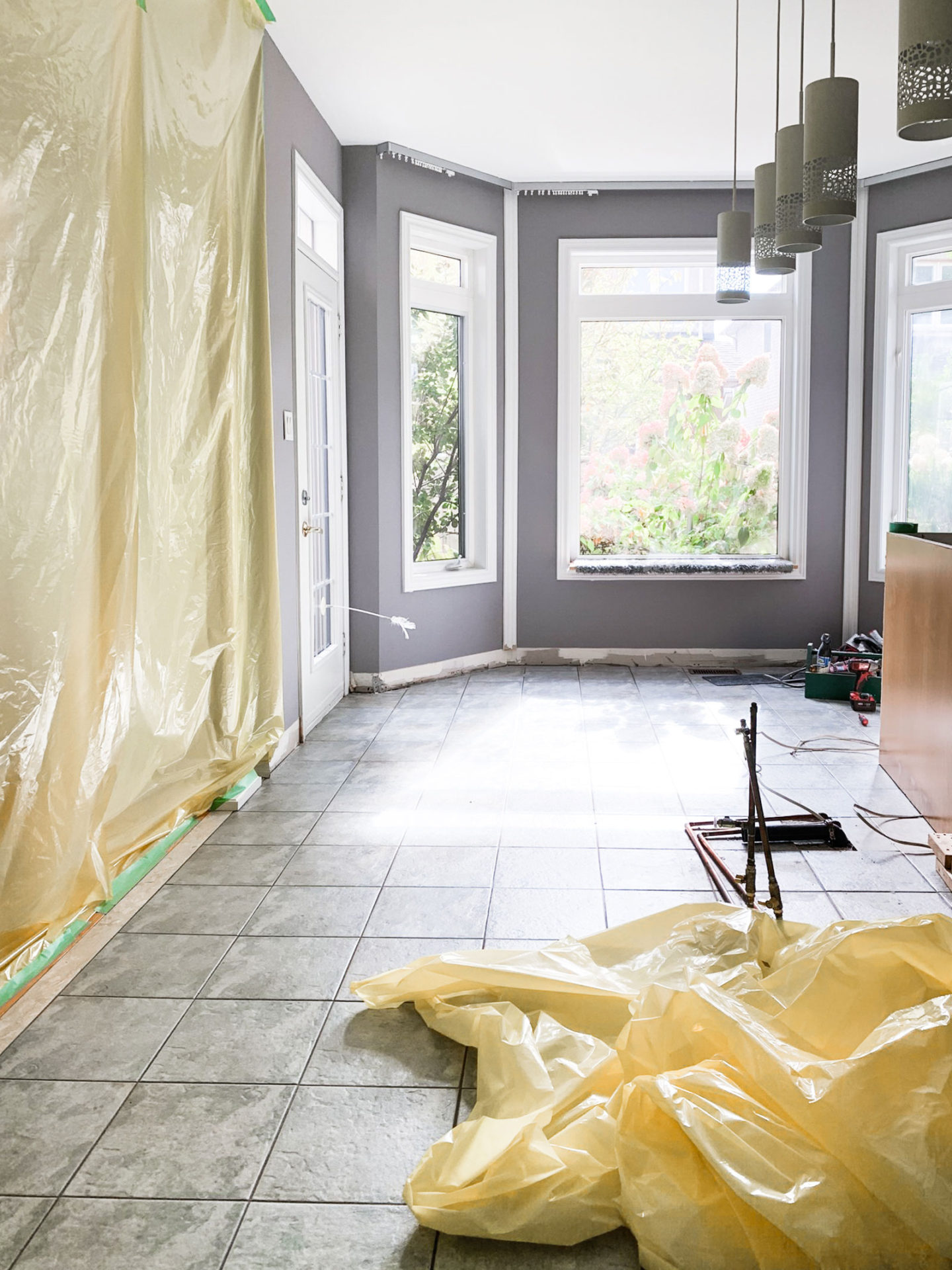
We’ve had homeowners contact us after they’ve already gutted a kitchen, bathroom, or even an entire floor. The intention is usually good, they want to get a head start. But in most cases, it creates more stress than it saves.
Once a space has been demolished, the pace of decision-making changes immediately. Nobody wants to live in a construction zone longer than necessary, so there’s often pressure to finalize layouts, select finishes, make design decisions, and coordinate trades all at once.
The issue is that good design doesn’t move faster just because the drywall is gone.
In reality, starting demolition without a clear plan often leads to delays, rushed decisions, and unexpected costs. It can also put unnecessary pressure on designers, contractors, and suppliers who are now solving problems under tight timelines.
We’ve also seen situations where the expectation shifts after demolition, homeowners naturally want everything completed quickly so they can get out of “construction mode.” But without proper planning upfront, that urgency usually has the opposite effect.
The goal is simple: start construction with confidence, not uncertainty.
Sign #3: You’ve Already Tried Improving the Function of the Space
Not every renovation problem requires construction to solve.
Sometimes a space feels chaotic simply because the storage or layout doesn’t work. Before committing to a renovation, it’s worth taking time to reorganize and rethink how you use the space day to day.
Small adjustments to storage, layout, or how items are arranged can make a surprising difference. In some cases, they solve more than expected. In others, they help confirm that the layout itself is the real limitation.
Either way, this step gives you clarity, which is essential when evaluating renovation timing.
Sign #4: You Have a Renovation Budget and a Buffer
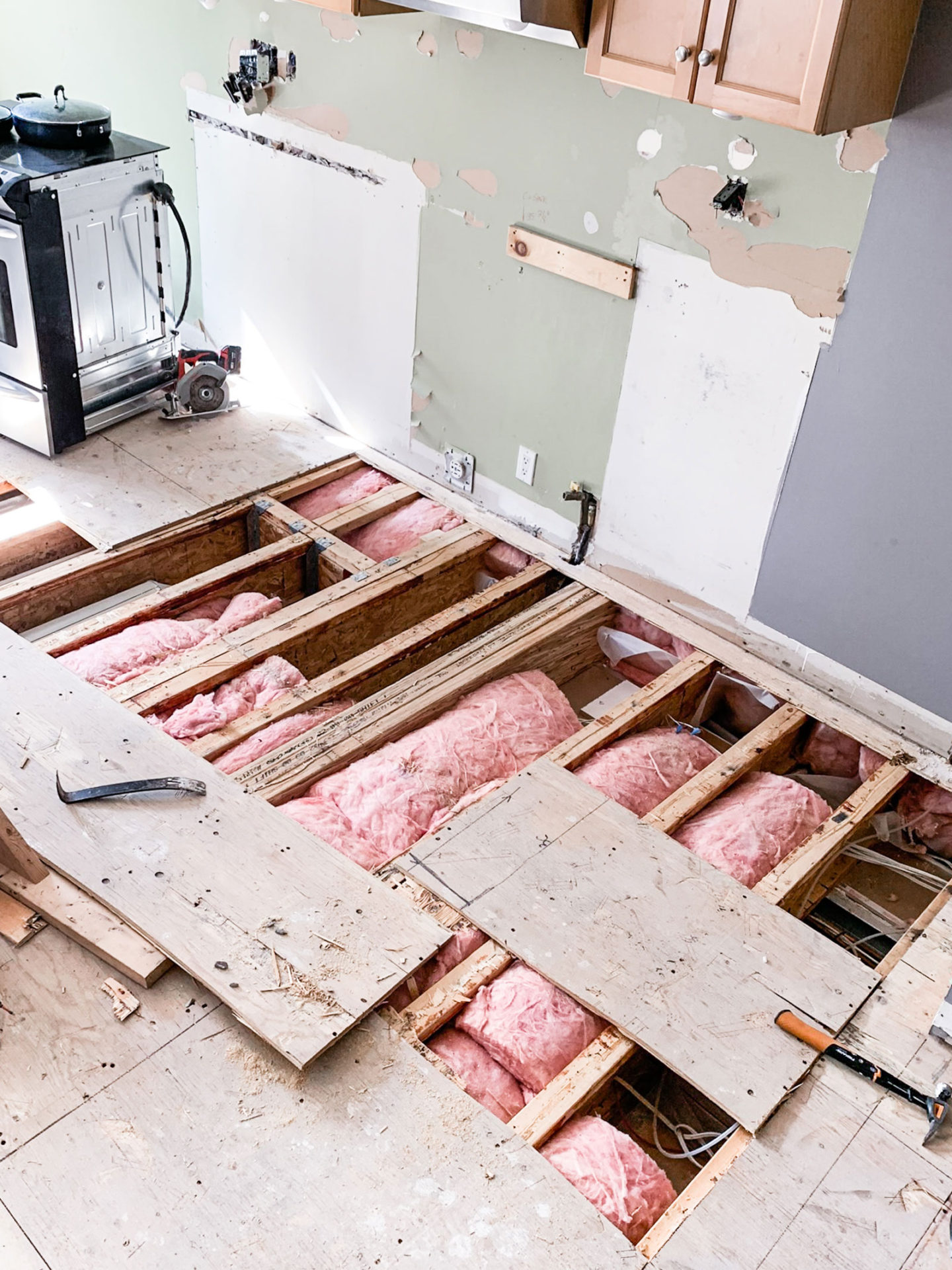
Almost every renovation uncovers something unexpected, and the key part of understanding when to renovate your home. Hidden issues often appear once you open the walls, whether it’s outdated plumbing, electrical updates, or structural repairs you couldn’t see before.
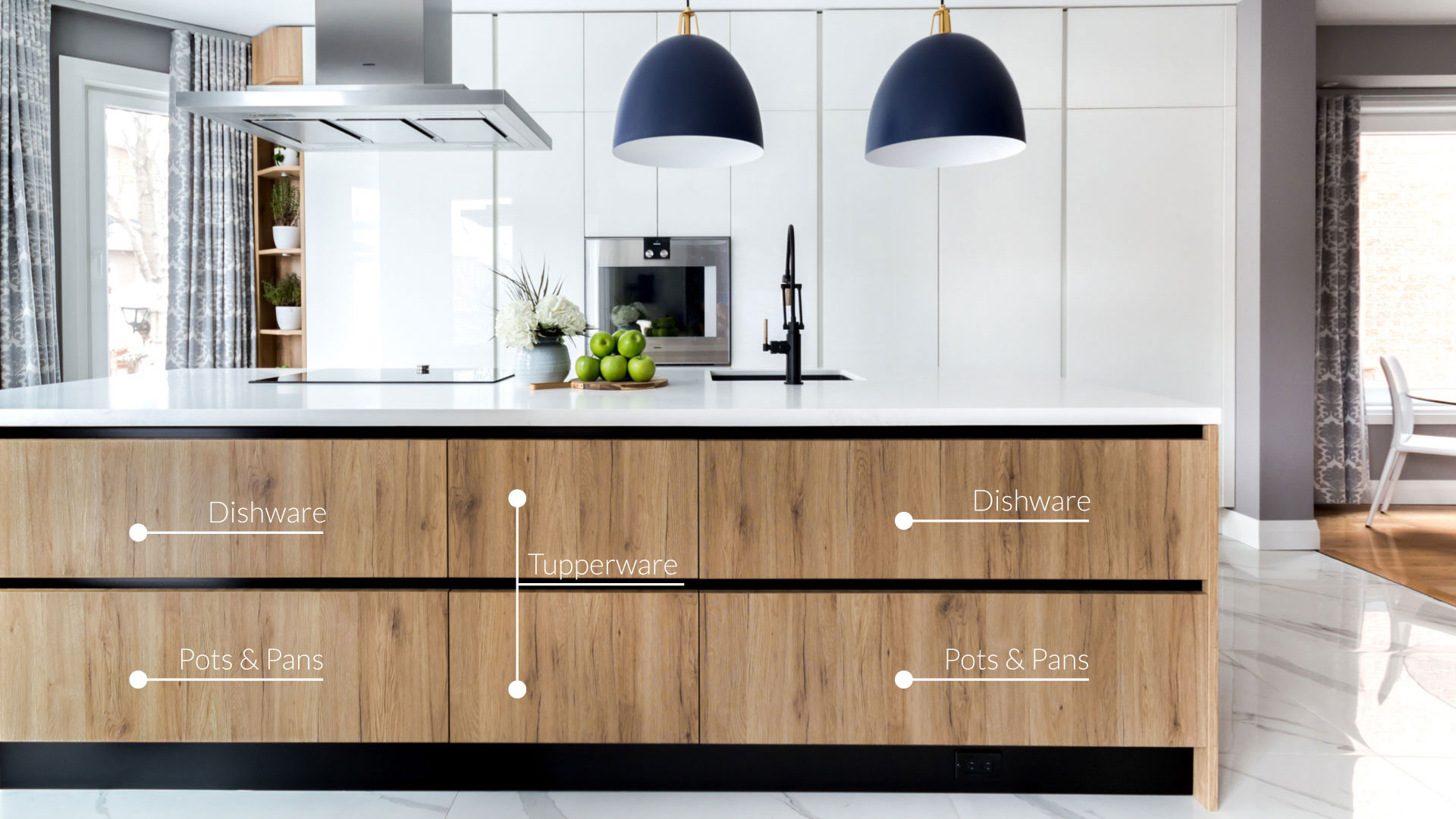
During my own kitchen renovation, replacing the subfloor wasn’t part of the original plan. Once demolition began, it became necessary. That shift changed both the timeline and the budget, which is a very normal part of the process.
That’s why renovation timing also depends on financial readiness.
A strong budget includes not just your design and construction costs, but also a contingency for the unexpected. Having that buffer allows decisions to stay calm and intentional instead of rushed and reactive.
Sign #5: You Understand That Renovations Take Time to Plan
One of the biggest misconceptions about renovations is that they start when construction begins. In reality, construction is only one part of the process.
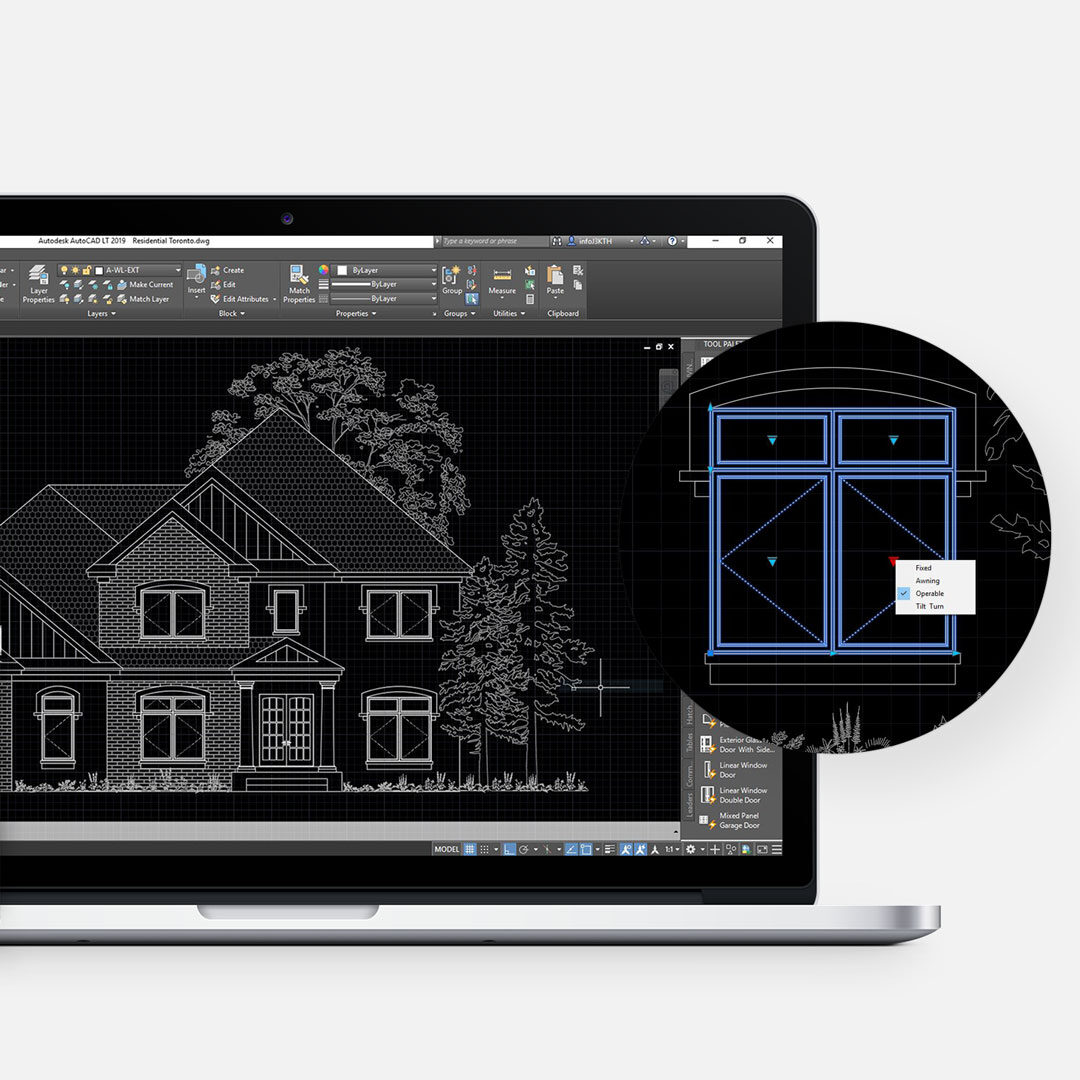
Before anything gets built, you go through design development, measurements, drawings, contractor coordination, permits, and material selection. Depending on the project, this phase alone can take weeks or even months.
When homeowners underestimate this stage, they often feel like the project is delayed when, in reality, it simply wasn’t fully planned yet.
Understanding this early is a strong indicator that your renovation timing is realistic and well thought out.
Sign #6: You’ve Looked at What You Already Own
Before replacing everything, it’s worth taking a step back and looking at what already exists in your home, this is an important step i understanding when to renovate your home.
Many homeowners are surprised by how much can actually be reused or reimagined. A piece of furniture from one room might work perfectly in another. Lighting, artwork, and accessories often have more flexibility than expected.
When you start viewing your home as something that can be rearranged rather than replaced, your renovation decisions become more intentional. That usually leads to better design outcomes and a more efficient use of budget.

Sign #7: You’ve Tried Smaller Changes First
A full renovation isn’t always the first step, and it shouldn’t be.
Sometimes paint, lighting, furniture layout, or styling updates can completely change how a space feels. A dark room might just need better lighting. A layout might improve simply by rearranging furniture. Even small adjustments can significantly shift how you experience a space.
These smaller changes are often the best way to test your instincts. If they improve things enough, a full renovation may not be necessary. If they don’t, they often confirm that a larger change is the right next step.
Either way, you gain clarity before committing to construction.


So, When to Renovate Your Home Comes Down to Readiness
The right renovation timing, and knowing when to renovate your home, isn’t about starting as soon as possible. It’s about being ready in a practical sense.
That usually means you understand what’s not working, you’ve explored your options, and you have both direction and budget clarity. You don’t need every detail finalized, but you do need enough structure to make confident decisions.
The most successful renovations rarely begin with demolition.
They begin with planning.
If you’re ready to take the next step, our Interior Design Services can help you move from ideas to a clear, actionable plan. You can also explore our Portfolio to see how thoughtful planning translates into real homes, or follow along on Instagram for behind-the-scenes projects and design ideas.
FAQ
How early should I start planning a renovation?
Most renovations benefit from several months of planning. This allows time for design development, budgeting, material selection, and scheduling before construction begins.
What’s the best time of year for renovations?
There is no universal best time. Interior renovations can happen year-round, while exterior projects often depend on weather conditions.
How much should I budget for unexpected costs?
A common guideline is setting aside 10–20% of your total budget to account for surprises or changes that come up during construction.


Leave a Reply
You must be logged in to post a comment.